
Even mild dehydration can measurably degrade how you feel and perform.In controlled research, dehydration of around 1 to 2 percent body mass has been associated with worse endurance performance and higher perceived effort in many settings (Sawka et al., 2007; ACSM Position Stand). Meanwhile, the market is responding fast: global sports and electrolyte drinks have continued to expand as consumers shift toward functional, low sugar, and “daily hydration”use cases rather than only workouts (Euromonitor, 2024; Mintel, 2025). If you are trying to choose the best hydration drink for everyday wellness in 2026, the winning formula is not hype. It is electrolyte dose, osmolality, sugar strategy, and functional add onsthat actually match your life.
This guide breaks down what matters in hydration beverages, how to read labels like a pro, when an electrolyte hydration drink beats water, and how to choose sugar free electrolyte drink mixes without wrecking your gut or taste buds. You will leave with practical rules, a comparison table, and a daily decision framework you can use immediately.
Why everyday hydration is a performance lever, not a wellness accessory?
Hydration is not just about thirst. It is a systems multiplier for energy, focus, thermoregulation, digestion, and sleep quality. Total body water supports blood volume and heat dissipation, which affects heart rate and perceived exertion during training and even during high stress workdays.
What the data says (and what it does not)?
Hydration research is nuanced because people, climates, and activity levels vary. Still, a few findings are consistently useful for “everyday wellness” decision making:
What this does not mean:that you need an electrolyte product all day, every day. The best hydration drink is the one that matches your sweat rate, diet, schedule, and sensitivity to sugar and sweeteners.
What makes the best hydration drink: the 6-part formula
The best hydration drink for everyday wellness is built on fundamentals first, then upgraded with targeted function. Ignore the neon labels and assess the formula like a system.
1) Sodium first: the retention mineral
Sodium is the main electrolyte that helps your body hold onto fluid. If you are sweating, traveling, in heat, or prone to headaches from low salt intake, sodium is usually the most impactful lever. For everyday use, many effective electrolyte hydration drink formulas land in the 300 to 800 mg sodium per serving range, with higher doses reserved for heavy sweaters and endurance sessions.
2) Potassium and magnesium: support, not the headline
Potassium supports cellular fluid balance, and magnesium is involved in neuromuscular function. They matter, but brands often “magnesium wash” labels with tiny, non meaningful amounts. Look for potassium in the 100 to 300 mgzone for daily mixes, and magnesium doses that are both meaningful and tolerable, often 50 to 150 mg, depending on the form and your gut sensitivity.
3) Carbs: decide if you are hydrating or fueling
Carbohydrates can enhance fluid absorption and are useful when you are exercising longer or need energy. But for desk days or casual wellness, too much sugar is a downside. The practical split:
4) Osmolality and gut comfort: the hidden limiter
High sugar and high mineral loads can increase osmolality and trigger GI distress for some people. If you have a sensitive stomach, start with half servings and avoid stacking multiple electrolyte products plus salty snacks in one short window.
5) Sweeteners and acids: taste, compliance, and enamel
Daily hydration beverages should be something you can actually drink. But acids (citric, malic) can contribute to enamel erosion risk when sipped all day, and some sweeteners can cause bloating for certain people. Use a simple rule: drink it, do not graze it. Finish within 10 to 15 minutes, then rinse with water if you are concerned about dental health.
6) Functional add ons: only if they solve a real constraint
Nootropics, adaptogens, and amino acids show up everywhere in 2026. Most of the time, they are underdosed. If you want functional benefits, pick a hydration beverage where add ons are clearly dosed and evidence aligned.

Comparison table: choosing the right hydration beverages by use case
Not every “best hydration drink” is best for every person. Use case wins. This table maps the most common hydration beverages in 2026 to what they do well and where they fail.
|
Hydration option |
Best for |
Watch outs |
Typical electrolyte profile |
|---|---|---|---|
|
Plain water |
Normal days, low sweat, meals provide electrolytes |
Can be insufficient in heat or heavy sweating; no sodium retention support |
None |
|
Electrolyte hydration drink (ready-to-drink) |
Convenience, post-workout, travel, on-the-go routines |
Often higher cost per serving; some have added sugar |
Commonly 300 to 800 mg sodium; variable K and Mg |
|
Sugar free electrolyte drink mixes |
Daily wellness hydration, gym bags, office hydration |
Sweetener tolerance varies; some are underdosed in sodium |
Wide range; best-in-class targets meaningful sodium plus K and Mg |
|
Sports drink (carb + electrolytes) |
Sessions over 60 to 90 minutes, team sports, endurance fueling |
Added sugar can be unnecessary for desk days; dental exposure if sipped |
Often 150 to 450 mg sodium per serving plus carbs |
|
Oral rehydration solution style formulas |
Illness recovery, significant fluid loss scenarios |
Medical context matters; taste can be intense; do not overuse casually |
Balanced sodium + glucose designed for absorption (WHO ORS framework) |
2026 trends shaping the “best hydration drink” category
Hydration beverages have shifted from “gym only” to daily performance infrastructure. In 2026, three changes are driving what best-in-class looks like: consumer demand for low sugar, quality assurance, and personalization.
Trend 1: the great sugar pullback (without sacrificing taste)
Consumers have continued to moderate sugar intake while still buying functional beverages. This is aligned with global guidance to limit added sugars (WHO, 2015; still heavily referenced) and with industry trend reporting showing strong growth for zero and low sugar functional drinks (Mintel, 2025). The result is more sophisticated sweetener stacks, better masking, and improved mouthfeel in sugar free electrolyte drink mixes.
Trend 2: “hydration plus” stacks go mainstream
Hydration is now bundled with focus, calm energy, and recovery. Expect more formulas pairing electrolytes with nootropics, amino acids, and minerals. The best hydration drink products in 2026 also communicate when to use them: morning focus hydration, mid-day heat hydration, post-training recovery hydration.
Trend 3: quality signals matter more
As functional beverage scrutiny rises, brands are leaning into transparent labeling, lot-level COAs, and third-party certification. This is partly driven by influencer-led accountability and retailer standards that increasingly favor tested products, especially in performance channels.
Common mistakes to avoid
Most hydration failures are not dramatic. They are subtle. Fix these, and you will often feel the difference within a week.
Mistake 1: choosing “electrolytes” that are basically pixie dust
If sodium is extremely low, the product may taste nice but not materially support fluid retention when you need it. For active users, this is the most common reason people say, “electrolytes do nothing for me.”
Mistake 2: stacking multiple electrolyte sources without realizing it
Electrolyte drink plus salty snacks plus pre-workout plus salty dinner can push sodium high fast. If you are salt-sensitive or have blood pressure concerns, keep a simple log for 3 days and discuss targets with a clinician if needed.
Mistake 3: sipping acidic hydration beverages all day
From a dental standpoint, frequency matters. If your hydration beverages are acidic, treat them like a “dose,” not a constant drip. Water in between is your friend.
Mistake 4: ignoring magnesium form and timing
Some forms can cause GI upset, especially at higher doses. If you are sensitive, choose lower doses or shift magnesium to evening supplements rather than loading it into daytime hydration drinks.
Mistake 5: expecting hydration to replace sleep, food, and salt from meals
The best hydration drink is a support tool, not a lifestyle override. If you are under-eating, sleeping poorly, or training too hard, no electrolyte hydration drink will fully compensate.

Conclusion
The best hydration drink for everyday wellness in 2026 is not a trend. It is a formula that fits your physiology and your schedule, with electrolytes and sugar calibrated to your real day.
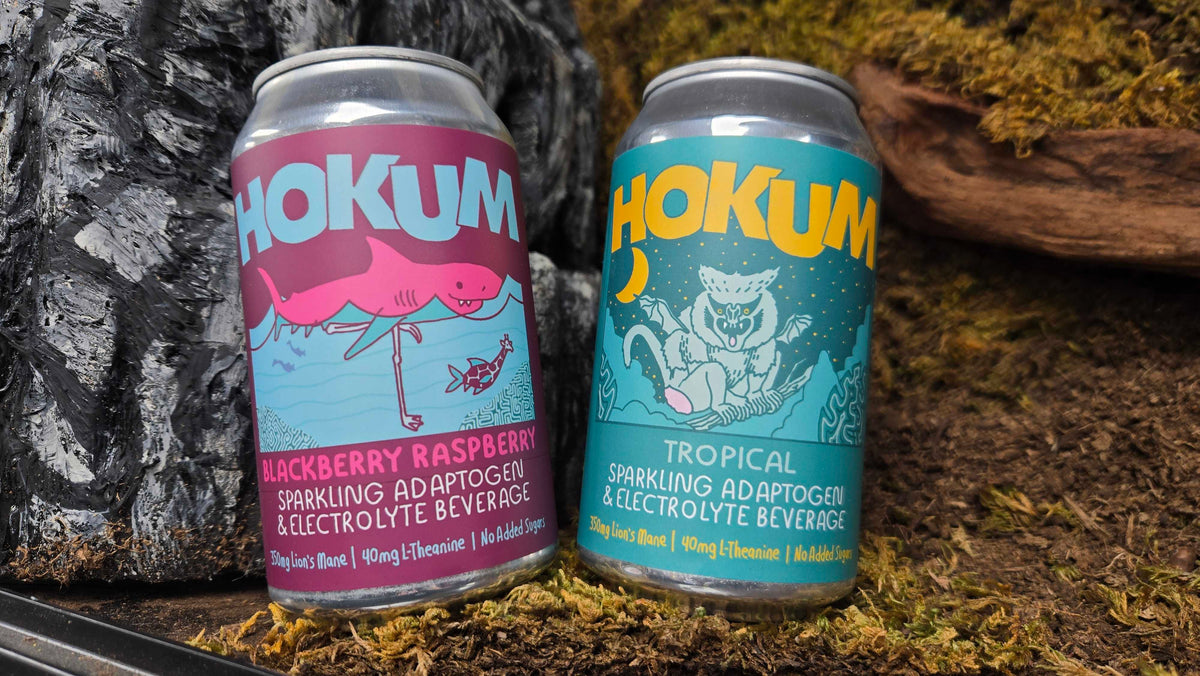
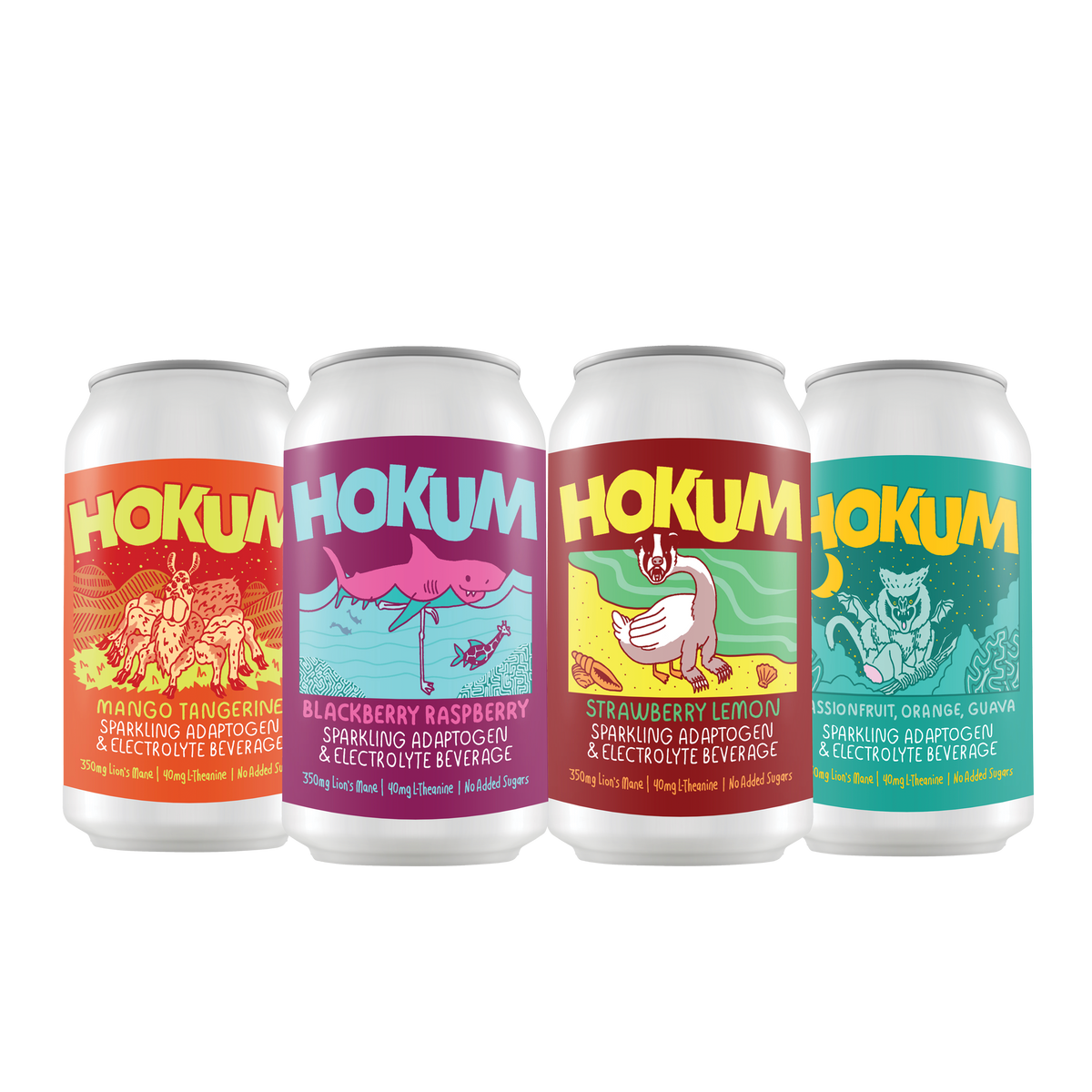
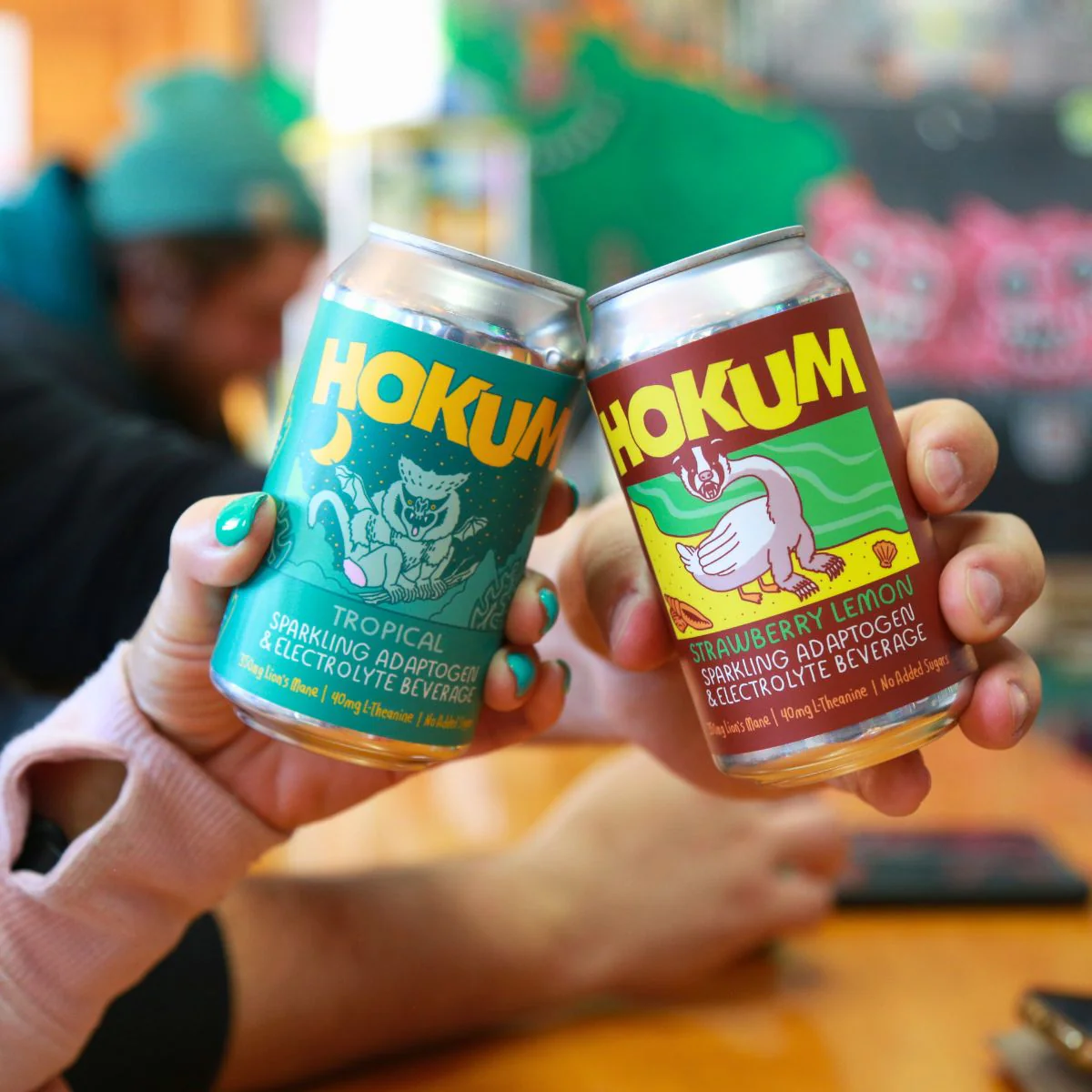
If you want hydration that feels like the future, build your stack with intention. Drink Hokum is here for the new era of hydration beverages where performance, focus, and clean labeling converge.
Contact us if you want help choosing the right hydration approach for your lifestyle or you are interested in partnerships, reach out.
Frequently asked questions
What is the best hydration drink for everyday wellness in 2026?
The best hydration drink is one that matches your sweat level and diet: meaningful sodium, sensible potassium and magnesium, and a sugar level aligned with your activity. For many people, a sugar free electrolyte drink mix with a moderate sodium dose is the most practical daily option. Water still covers most low-sweat days.
How do I know if I need an electrolyte hydration drink or just water?
If you are sweating, in heat, traveling, or exercising for longer periods, electrolytes are more likely to help than water alone. If your day is low activity with regular meals, water is usually sufficient. Your best signal is consistent fatigue, headaches, or poor workout tolerance that improves when you add sodium and fluids.
Are sugar free electrolyte drink mixes actually effective?
They can be highly effective if they contain enough sodium and are not just flavored water. Check sodium first, then verify potassium and magnesium are not token amounts. Effectiveness depends more on electrolyte dosing than on whether sugar is present.
Is a “zero sugar” hydration beverage always healthier?
Not automatically. Some people do not tolerate certain sweeteners, and frequent acidic sipping can be rough on teeth. For endurance training, carbs can be performance-positive, so zero sugar is not always the right fit.
How much sodium should the best hydration drink contain?
For everyday wellness, many people do well with roughly 200 to 400 mg sodium on normal days and higher on heavy sweat days. Endurance athletes often need more per hour, but it is individualized based on sweat rate and sweat sodium. If you have blood pressure or kidney concerns, ask a clinician before increasing sodium.
Can I drink electrolyte hydration drinks every day?
Yes, many people can, especially in hot climates or active lifestyles. The key is aligning sodium intake with your overall diet and not treating electrolytes as mandatory when your meals already provide plenty of salt. Rotate with water and use electrolytes more strategically on sweat days.
What should I avoid in hydration beverages if I have a sensitive stomach?
Start by avoiding very high mineral loads, high sugar concentrations, and sugar alcohol heavy formulas if those trigger symptoms for you. Begin with half servings and test during low-stakes days. If GI issues persist, consider simpler formulas and consult a clinician.
Do hydration drinks help with headaches or brain fog?
They can if the root cause is fluid and sodium deficit, especially after sweating, heat exposure, or alcohol. If headaches are frequent, severe, or unrelated to hydration context, do not self-diagnose. Use hydration as one lever, not the only one.
When should I choose a sports drink instead of a sugar free electrolyte drink mix?
Choose a sports drink when you need both hydration and fuel, typically during long or intense training sessions. If you are mostly sitting, commuting, or doing light workouts, sugar free electrolyte drink mixes are usually a better everyday match. Think: carbs are performance fuel, not default hydration.
What is the best way to use hydration drink mixes during a heat wave?
Use smaller, spaced servings across the day rather than one giant dose. Pair electrolytes with regular water and normal meals for steadier fluid balance. If you feel dizzy, confused, or stop sweating in high heat, treat it as a medical risk and seek help.

Leave a comment
This site is protected by hCaptcha and the hCaptcha Privacy Policy and Terms of Service apply.