
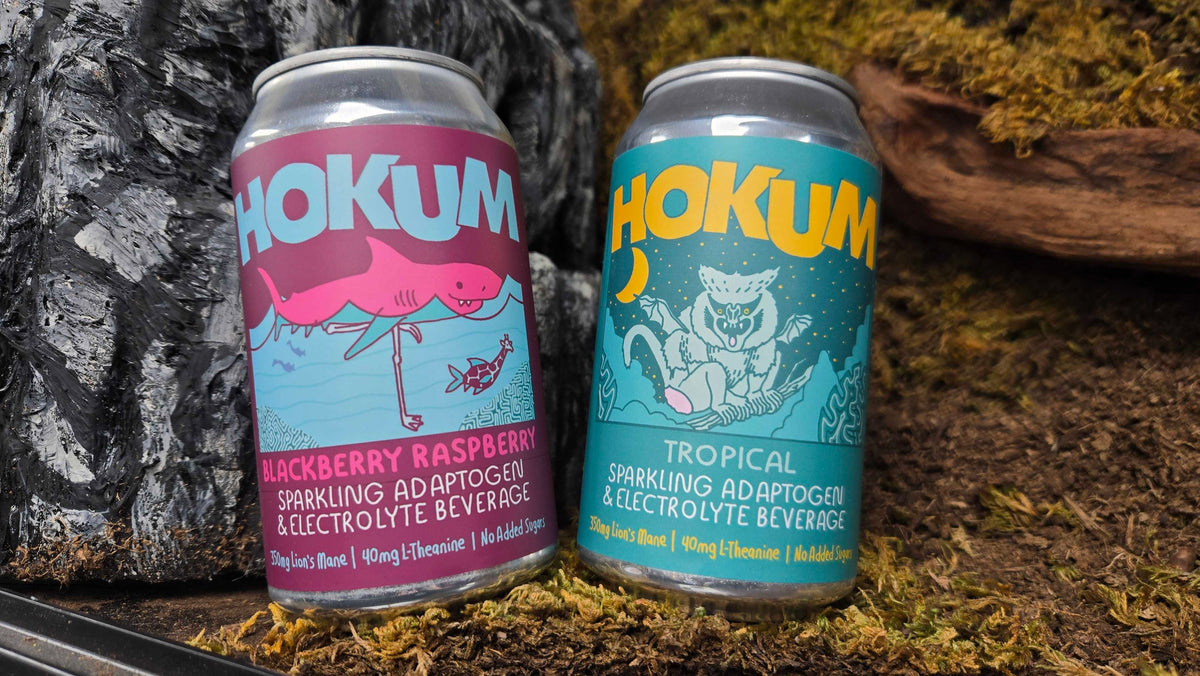
The non alcoholic beverage boom is not slowing down. In the US, nonalcoholic beer sales volume grew 29% in 2023 (Nielsen IQ, 2024), and globally the no alcohol segment is projected to keep climbing through the decade as “zebra striping” becomes normal drinking behavior (IWSR, 2024). This shift is why the beverage mixing base matters right now. It is the fastest way to turn plain sparkling water, tea, or tonic into a bar-level mocktail that hits on taste, function, and personalization.
In this guide, you will learn what a beverage mixing base is, how it differs from syrups and flavor concentrates, how to use it for customizable drinks at home, and what trends are changing formulas in 2026, including sugar reduction, functional actives, and clean-label constraints.

What is a beverage mixing base (and why it is not “just syrup”)?
A beverage mixing base is a concentrated, purpose-built liquid (or sometimes a powder-to-liquid concentrate) designed to become a finished drink when diluted with water, sparkling water, tea, or other non alcoholic carriers. The goal is not only flavor. A modern mixing base also controls acidity, mouthfeel, aroma, sweetness curve, and stability, so your finished drink tastes “built,” not “flavored.”
How it differs from flavor concentrates and drink enhancer mixers?
Flavor concentrates are often aroma-forward and may require you to engineer acidity and sweetness yourself. A drink enhancer mixer (common in squeeze bottles) is usually sweetener-heavy and built for water, not for cocktail-structure. A true mocktail base is engineered for dilution math, texture, and aromatic lift so it performs across multiple carriers, including soda water, tonic, nitro tea, and even non alcoholic “spirits.”
Why mixing bases are exploding in 2026 (market forces and consumer behavior)?
Three macro forces are pushing mixing bases into the mainstream: health-driven moderation, at-home experimentation, and premiumization. People still want ritual, complexity, and a “special drink,” but without alcohol, excess sugar, or a long ingredient list.
The moderation economy is now default
Consumers increasingly alternate alcoholic and non alcoholic drinks in the same occasion, often called zebra striping. This is not niche anymore. The nonalcoholic category has become a real shelf set, backed by sustained growth projections through 2028 (IWSR, 2024). Mixing bases fit this world because they let you build sophisticated drinks quickly, with the option to add alcohol for some guests and keep it zero proof for others.
Home mixology became a skill, not a pandemic fad
At-home cocktail and mocktail making remains sticky because it is cost-effective and social-media-native. A mixing base reduces the “tooling tax.” You do not need five syrups, two acids, and obscure bitters. You need one bottle, a carbonated mixer, and ice.
Functional expectations are higher
Consumers now expect beverages to do something: energy, focus, calm, hydration, gut support. The global energy drink market alone is forecast to reach $108.4B by 2031(Grand View Research, 2024). That demand is bleeding into non alcoholic “adult” drinks, where functional mocktail bases can deliver a feeling, not just a flavor.
How a beverage mixing base transforms non alcoholic drinks (taste, texture, and experience)?
A good base changes the drink in four ways: it upgrades flavor architecture, locks in balance, creates “bar texture,” and makes customization reliable. That reliability is the hidden superpower, especially when you are building customizable drinks for friends or customers.
Flavor architecture: from flat to layered
Most DIY mocktails fail because they are one-note: sweet + fruit. Mixing bases typically include top notes (citrus oils, aromatics), mid notes (fruit, spice), and bottom notes (bitters, oak, tea-like tannins). This creates a longer finish, closer to a cocktail.
Balance: acidity and sweetness that stays stable
Acidity is what makes a drink feel “snappy.” A beverage mixing base often uses blended acids to mimic lime, grapefruit, or wine-like brightness. This matters because fresh citrus varies daily, while a base stays consistent. Consistency is a best practice in bars and is becoming a best practice in home mixology too.
Mouthfeel: the missing link in most mocktails
Non alcoholic drinks can feel thin. Bases solve this by adding controlled viscosity or “body” so the drink feels premium. Think of the difference between flavored water and a crafted spritz. Mouthfeel is also why some bases pair better with sparkling water vs still water.
Customization: predictable results, fast iteration
Once dilution ratios are known, you can reliably adjust sweetness, strength, and functional intensity. This is beverage customization in a repeatable system, not a guessing game.

Types of bases in 2026 (and how to choose the right one)
Not all bases are built for the same job. In 2026, the category splits into four common types: culinary-style syrups, acid-forward cocktail bases, functional bases, and “spirit-adjacent” botanical bases.
Comparison table: common base formats
|
Base type |
Best for |
Typical dilution |
Watch-outs |
|---|---|---|---|
|
Mocktail base (balanced acid + aroma) |
Bar-style zero proof cocktails, spritzes |
1:4 to 1:8 (base:mixer) |
Can taste sharp if over-poured, check acid strength |
|
Drink enhancer mixer (squeeze concentrate) |
Everyday water flavor, on-the-go customization |
1:20 to 1:40 |
Often sweetener-forward, can feel “diet” in mocktails |
|
Flavor concentrates (aroma heavy) |
R&D, advanced home mixology, batching |
Varies widely (drops to 1:100) |
You must build sweetness, acid, and mouthfeel |
|
Functional base (energy, focus, hydration) |
Performance drinks, nootropic-style mocktails |
1:4 to 1:10 |
Mind caffeine timing, stimulant stacking, and tolerance |
How to use a beverage mixing base (home mixology playbook)?
You can get near-bar results with minimal gear. The key is to treat dilution as a recipe, not a vibe. Start with a controlled ratio, then tune sweetness and strength with small adjustments.
Batching for parties (zero stress)
Pre-mix base + still water in a bottle, then top each glass with sparkling water to preserve carbonation. For a group of 8, a simple approach is 8 oz base + 40 oz chilled still water (kept cold), then pour 6 oz per serving and top with 2 to 3 oz sparkling water.
Ingredient science that matters (sweeteners, acids, and functional actives)
In 2026, the best bases are built like products, not pantry hacks. That means smart sweetener systems, precise acid blends, and evidence-aware functional additions.
Sugar reduction without the “diet” aftertaste
Consumers are actively limiting sugar. In the US, 17.1%of adults consumed sugar-sweetened beverages on a given day in 2017 to 2018 (CDC NCHS Data Brief No. 443, 2022). Brands respond with reduced sugar bases that use stevia, monk fruit, erythritol alternatives, and flavor modulators. The winning approach is rarely “zero sugar at all costs.” It is “less sugar, better balance,” because a small amount of sugar can improve aroma release and mouthfeel.
Acid design is the difference between premium and harsh
Citric acid reads like lemon and lime. Malic reads like green apple and gives a longer, smoother sourness. Tartaric can feel more “wine-like.” Many 2026 mocktail bases blend acids to simulate fresh citrus complexity while staying shelf-stable.
Nootropic and performance ingredients: what holds up in real life
Functional bases often include caffeine + L-theanine because the combo is widely used in focus beverages. A frequently cited finding is that caffeine with L-theanine can improve attention switching and reduce susceptibility to distraction compared with placebo in controlled settings (Haskell et al., 2008, Biological Psychology). The practical takeaway: if a base claims “focus,” ask what dose per serving and whether it is disclosed.
Safety and compliance note: if you are stacking bases with coffee, pre-workout, or energy drinks, track total caffeine. Also watch interactions with certain botanicals and medications. If you are pregnant, sensitive to stimulants, or have a cardiac condition, consult a clinician before using stimulant-functional mixers.
What is changing in 2026 (trends, best practices, and what to stop doing)?
2026 is about precision: less sugar, more function, cleaner labels, and better sensory. It is also about transparency. Consumers want to know what is inside, why it is there, and how it makes them feel.
Trend 1: “Adult” flavor profiles are winning
Expect more bitter-citrus, herbaceous, tea-tannin, and spice-driven profiles that mimic aperitifs and amaro. These bases pair better with food and feel less like soda. The upside: you can build a mocktail that still feels like an occasion.
Trend 2: Hybrid bases for customizable drinks
People want one bottle that can become three drinks: a morning focus spritz, an afternoon hydration cooler, and a nighttime zero-proof aperitif. Brands are designing modular systems where you can adjust strength and function by dilution or add-on drops.
Trend 3: Cleaner labels and fewer “mystery blends”
In 2026, consumers are skeptical of “proprietary” everything. Best practice is to disclose active doses, sweetness type, and caffeine per serving clearly. If you are making your own base, write your recipe like a product spec so you can replicate it.
Common mistakes to avoid (and pro-level fixes)
Most failures are not because the base is bad. They are because the build is off. Here are the most common issues and how to fix them fast.
Mistake 1: Over-pouring the base
If your drink tastes harsh, medicinal, or too intense, you likely used a cocktail-style base at drink-enhancer ratios. Fix: step back to 1:6dilution, then move in 0.25 oz increments.
Mistake 2: Warm mixer, melted ice, flat flavor
Temperature is flavor. Warm drinks read sweeter and less crisp. Fix: chill the base and mixer, use larger ice, and build directly in the glass to reduce melt.
Mistake 3: Wrong carbonation level
Highly acidic bases need strong carbonation to feel lively. Fix: use fresh, cold sparkling water and pour gently down the side of the glass to preserve bubbles.
Mistake 4: Functional stacking without tracking
Mixing a caffeinated base with espresso or an energy drink can push intake too high. The FDA references 400 mg/day as a general guideline for most adults (FDA, 2018). Fix: keep a simple note in your phone with caffeine per serving of your go-to bases and mixers.
Mistake 5: Forgetting salt and bitters-style complexity
A micro pinch of salt can increase perceived sweetness and reduce bitterness without adding sugar. Similarly, a bitter botanical accent can make a mocktail feel grown-up. Fix: add salt sparingly, and use NA bitters-style drops if you want complexity without alcohol.
Real-world scenarios (how people use bases in 2026)
The fastest way to understand a beverage mixing base is to see where it fits. Here are real use cases that match how Gen Z and millennials actually drink in 2026: modular, social, and functional.
Scenario 1: The “third beverage” at dinner parties
You offer three lanes: alcohol, zero proof, and functional. A single mocktail base can serve the whole room. Pour the same base over ice with sparkling water for NA guests, and for drinkers who want alcohol, they can add a spirit of choice. You keep one build, multiple outcomes.
Scenario 2: Workday performance without energy drink burnout
Many people are replacing large energy drinks with smaller, controlled caffeine doses plus hydration. A functional mixing base can deliver a more “adult” flavor and a smoother arc when paired with L-theanine (Haskell et al., 2008). The practical move: cap serving size, avoid late-day caffeine, and use a lower dilution for a stronger effect only when you need it.
Scenario 3: Hospitality and pop-ups
For cafés and wellness studios, bases reduce labor and improve consistency. You can batch a base, keep it cold, and build drinks in under 20 seconds. That matters when lines are long and staff is lean.
Conclusion: the upgrade path for non alcoholic drinks
A beverage mixing base is the simplest way to turn non alcoholic drinks into something that feels engineered: balanced, complex, and repeatable. In 2026, the best bases are not just about flavor. They are about structure, function, and personal control.
Want help designing a next-gen mocktail base or functional mixing system for your lifestyle or your menu? Drink Hokum builds bold, futuristic beverage experiences that perform. Contact us to talk product, formulations, or collabs.
Frequently Asked Questions
What is a beverage mixing base in simple terms?
A beverage mixing base is a concentrated liquid designed to be diluted into a finished drink. Unlike basic syrups, it typically includes acidity and aroma structure so the final drink tastes balanced and “crafted.” In 2026, many bases also include functional ingredients for energy, focus, or hydration.
How is a beverage mixing base different from a mocktail base?
A mocktail base is a type of beverage mixing base specifically engineered for zero proof cocktails, with cocktail-style acidity, bitterness, and aroma. Some beverage mixing bases are simpler and meant for flavored water or iced tea. If you want bar-like results, choose a base that specifies mocktail or cocktail-style dilution ratios.
Are drink enhancer mixers the same as flavor concentrates?
Not usually. Drink enhancer mixers are often sweetener-forward and designed for quick water flavoring at very high dilution. Flavor concentrates are typically stronger aroma systems used in small amounts and may require you to add your own sweetener and acids.
What dilution ratio should I start with for a new base?
Start around 1 oz base to 5 oz sparkling water(1:5) unless the label recommends otherwise. Taste, then adjust by 0.25 oz increments. If it gets harsh fast, the base is likely acid-forward and needs more mixer.
Can I use a beverage mixing base with tea or coconut water instead of sparkling water?
Yes, and it is one of the easiest ways to create customizable drinks. Tea adds tannin and complexity, while coconut water adds softness and natural sweetness. Just remember that different carriers change perceived sweetness and acidity, so you may need to tweak dilution.
Do beverage mixing bases work for people who are avoiding sugar?
Many do. Reduced-sugar and zero-sugar bases are common in 2026, often using stevia or monk fruit plus modulators to improve taste. If you are sensitive to sugar alcohols or certain sweeteners, check the label and test small servings first.
Are functional or nootropic bases safe to use daily?
It depends on the actives and your total intake. For caffeine, the FDA notes 400 mg/day is not generally associated with dangerous effects for most adults (FDA, 2018), but individual sensitivity varies. If the base contains botanicals or adaptogens, consider medication interactions and consult a clinician if unsure.
How do I make my mocktails taste less “juvenile” or candy-like?
Use bases with bitter-citrus, herbal, tea, or spice notes and keep sweetness moderate. Add a pinch of salt and a peel expression to create an adult finish. Avoid relying only on fruit juice, which can read flat and sugary.
What is the best way to store a mixing base after opening?
Follow the label first. As a general rule, keep it sealed, refrigerated if recommended, and away from heat and light to protect aromatics. If the base is low-sugar and natural, it may be more sensitive to flavor loss over time, so use it within the suggested window.
Should I buy a base or make my own at home?
If you want speed and consistency, buy one. If you enjoy experimentation and can measure ingredients precisely, DIY can be great, especially for controlling sweetness and acid profiles. Many people do both: a reliable commercial base for daily use and a homemade base for weekend home mixology projects.

Leave a comment
This site is protected by hCaptcha and the hCaptcha Privacy Policy and Terms of Service apply.