
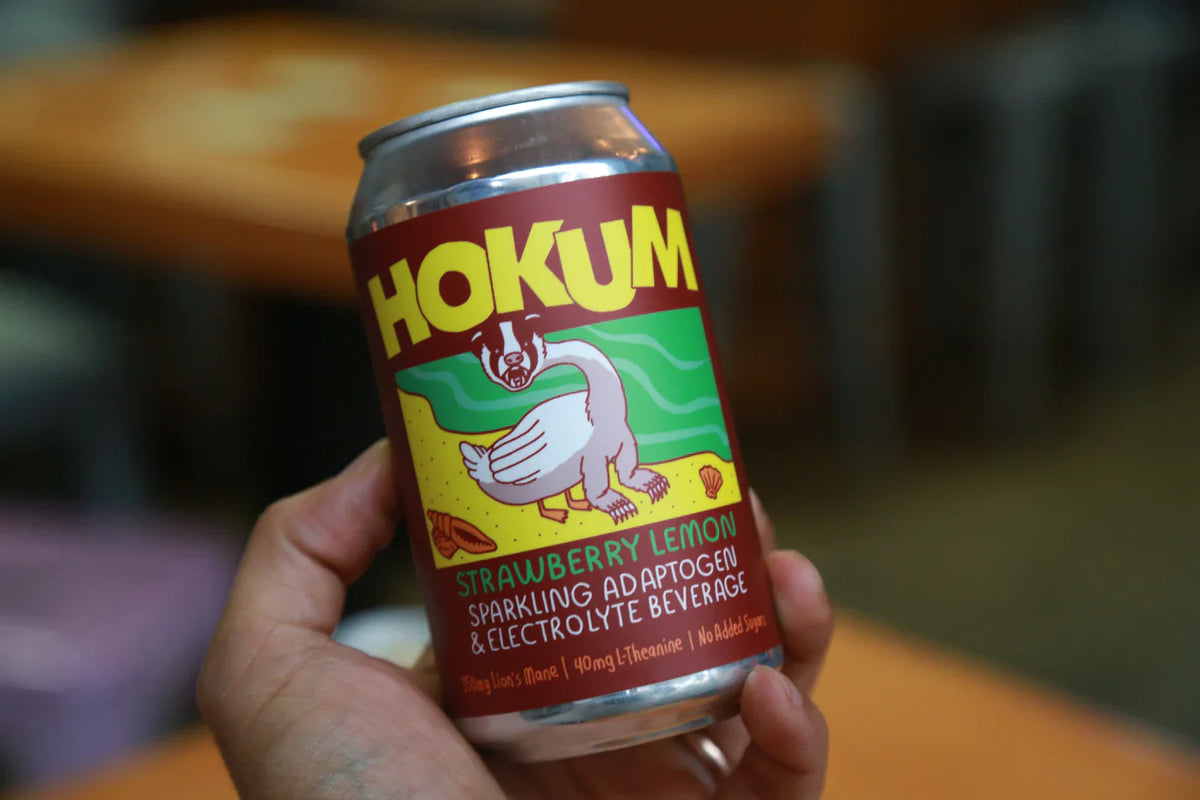
Blackberry raspberry drink is having a moment because consumers are done with “just sweet.” They want flavor complexityplus functionin one can. In the US, nonalcoholic beverage sales rose 6.3% in 2023, outpacing many traditional categories as people traded down from alcohol and traded up to better-for-you options (Circana, 2023). At the same time, US sales of nonalcoholic beer, wine, and spirits grew 29% in 2023, reinforcing that “adult” flavor profiles and ritual matter even without alcohol (NielsenIQ, 2024). This guide breaks down what blackberry and raspberry actually taste like together, what benefits are realistic (and what is hype), how to use a mixed berry beverage for focus, training, or social swaps, and how to order berry drink online without getting burned by label tricks.
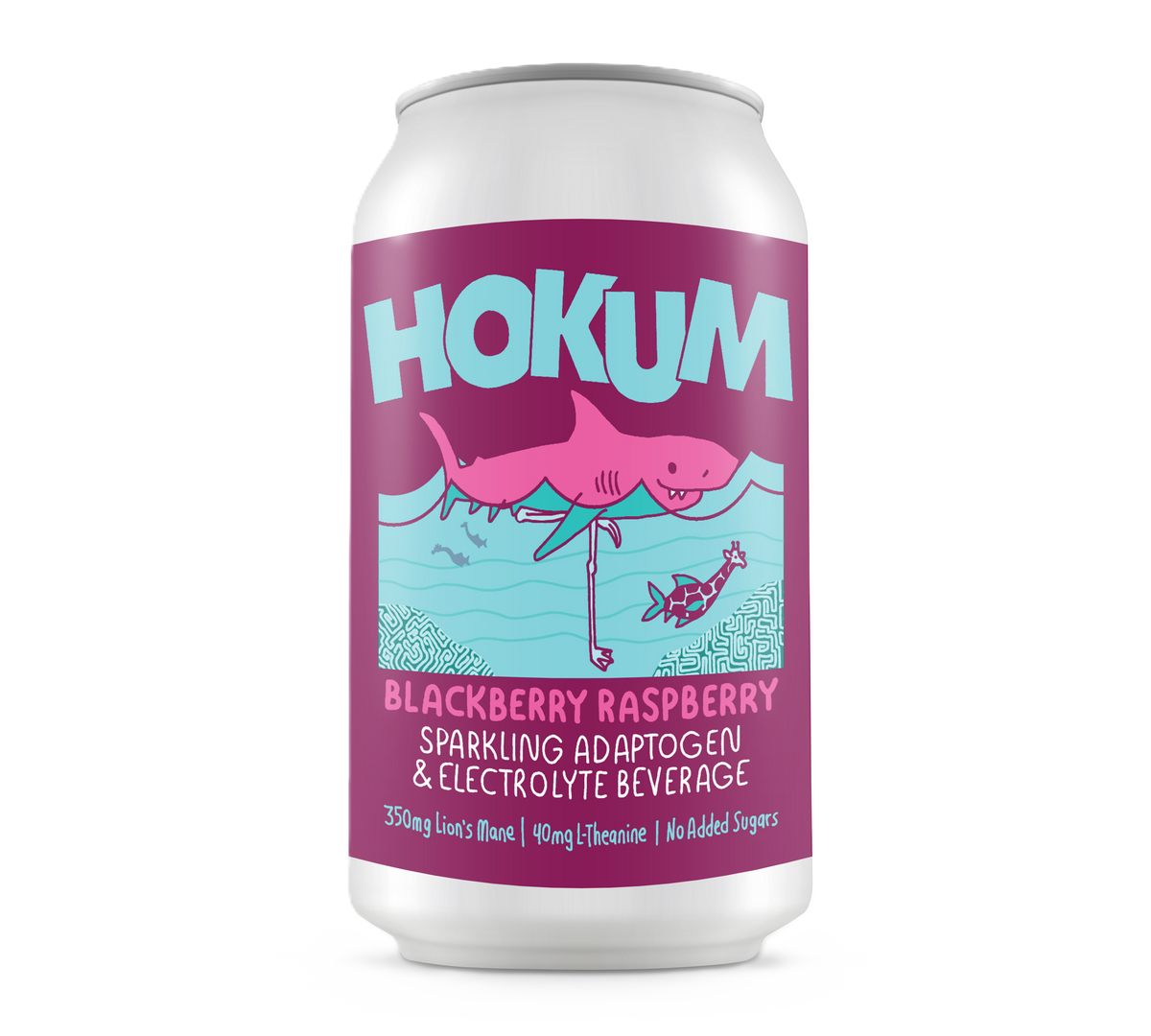
Why blackberry and raspberry works: the flavor science?
Berry blends can taste flat when they are built on generic “red fruit” flavoring. A great blackberry raspberry beverage feels premium because it balances three things: tartness, dark berry depth, and aroma lift. Blackberry brings a deeper, jammy note with subtle tannins. Raspberry brings brighter acidity and a floral, seedy-edge aroma that cuts sweetness.
Sweetener choice changes everything
Sugar and sweeteners change how berry acids present. Sucrose can make berries read “jammy.” Erythritol or allulose can sharpen acidity. Stevia can amplify berry aroma but may add a lingering aftertaste, especially in a blackberry beverage that leans tannic. If you want “grown-up,” look for balanced acid (citric or malic), moderate sweetness, and natural aroma layering (extracts, not only “natural flavors”).
What’s in a modern blackberry raspberry drink in 2026 (and what the label signals)
In 2026, the winning raspberry drinks non alcoholic playbook is “cleaner label, clearer function.” Consumers are scanning for caffeine amount, sweetener type, and functional actives, then comparing to price per can. This is where brands win trust: straightforward dosing and third-party testing.
Benefits: what’s real, what’s overstated, and how to use it functionally
A mixed berry beverage can deliver real benefits, but only if the formula is honest and matched to the use case. The main buckets are: hydration support, energy and focus, and antioxidant signaling. Do not confuse “contains berries” with “clinically meaningful polyphenols.” Most RTD drinks rely on flavor extracts, not whole-fruit doses.
Energy and focus (when it becomes a raspberry energy drink)
If your blackberry raspberry drink includes caffeine, the evidence is strong that caffeine improves alertness and performance for many people. A large evidence base supports caffeine’s effect on endurance and perceived effort, with common effective intake ranges around 3 to 6 mg per kg body mass in sport contexts (International Society of Sports Nutrition, 2021). For everyday consumers, practical doses are usually 80 to 200 mg, depending on tolerance and timing.
L-theanine is frequently paired with caffeine. Research has found that the combination can support attention and reduce mind-wandering for some users, with many trials using ~100 mg caffeine plus ~200 mg L-theanine (Nutrients, 2019 review). The key is dose transparency.
Hydration and “clean lift”
Electrolytes matter most when you are sweating, traveling, or under-fueling. Sodium helps retain fluids and supports hydration, but “electrolytes” can be underdosed in trendy drinks. If the label shows sodium under 50 mg, the hydration claim is more vibe than function. A more useful range for light training is often 200 to 500 mg sodium depending on sweat rate and duration.
Antioxidants: great story, but dosage matters
Real blackberries and raspberries are rich in anthocyanins and ellagitannins. However, most ready-to-drink beverages contain flavor systems with limited polyphenol content. If antioxidants are your priority, choose drinks that disclose juice percentage or standardized extracts, or pair the beverage with whole fruit. Treat “antioxidant” as a bonus unless quantified.

Comparison table: choose the right blackberry raspberry beverage for your goal
Not every blackberry beverage is meant for the same moment. Use this table to match the formula to your actual outcome: calm focus, workout energy, or a nonalcoholic social swap.
|
Use case |
What to look for on label |
Best timing |
Watch-outs |
|---|---|---|---|
|
Focus and study |
100 to 150 mg caffeine + 100 to 200 mg L-theanine; low sugar |
Morning to early afternoon |
High sweetener aftertaste can reduce “clean” perception |
|
Workout and performance |
150 to 200 mg caffeine; 200 to 500+ mg sodium; optional taurine or tyrosine |
30 to 45 minutes pre-workout |
Too much carbonation can be rough during training |
|
Hydration and recovery |
Electrolytes with meaningful sodium; modest carbs if training hard |
During or post training |
“Zero everything” may not refuel after long sessions |
|
Nonalcoholic social drink |
Complex acidity, bitter notes, low sweetness; botanical layers |
Evening |
Hidden caffeine can disrupt sleep |
Common mistakes to avoid (and pro tips that actually move the needle)
Most people do not fail because they chose the “wrong berry.” They fail because they ignore dosage, timing, and sugar load. These fixes are simple, fast, and measurable.
Mistake 1: assuming “berry” equals low sugar
Berry flavor can hide sugar easily. Check the nutrition label. If the drink has 20 to 40 g added sugar, it can spike energy then crash, especially when used as a focus drink.
Mistake 2: using a caffeinated berry drink too late
Sleep is still the top performance enhancer. Late-day caffeine can reduce sleep quality and next-day focus, even if you fall asleep on time. Pro move: choose a caffeine-free raspberry drinks non alcoholic option at night, or a “light stim” formula under 60 mg caffeine if you are tolerant.
Mistake 3: falling for proprietary blends
Proprietary blends often hide underdosing. Demand transparent labeling for caffeine and key actives. If the label refuses to tell you how much, you cannot optimize.
What’s changing in 2026: trends shaping blackberry and raspberry beverages right now
May 2026 is defined by three forces: better-for-you scrutiny, functional credibility, and e-commerce convenience. Shoppers are comparing ingredients like they compare tech specs, and regulators and retailers are pushing for clearer claims.
Trend 1: “functional, but explainable” formulations
In 2024, the American Academy of Pediatrics stated that energy drinks are not recommended for children and adolescents, increasing pressure for clearer caffeine communication and age-appropriate marketing (AAP, 2024). In 2026, brands are responding with tighter positioning, explicit caffeine labeling, and more “daily performance” language instead of extreme stimulation.
Trend 2: sugar reduction without taste collapse
Allulose and sweetener blends are more common because they can reduce calories without the harsh edges of single sweeteners. Consumers still want indulgent berry flavor, but not syrupy heaviness. Expect more “low sugar, high flavor” positioning and more acidic, wine-adjacent profiles for evening.
Trend 3: the nonalcoholic boom keeps pulling flavor forward
As nonalcoholic options keep growing, shoppers expect complex taste even in a simple can. That benefits a layered blackberry raspberry beverage because it can deliver a cocktail-like profile with zero alcohol and optional caffeine. It is also why botanical additions like hibiscus, black tea notes, and bitter citrus are showing up alongside berry.
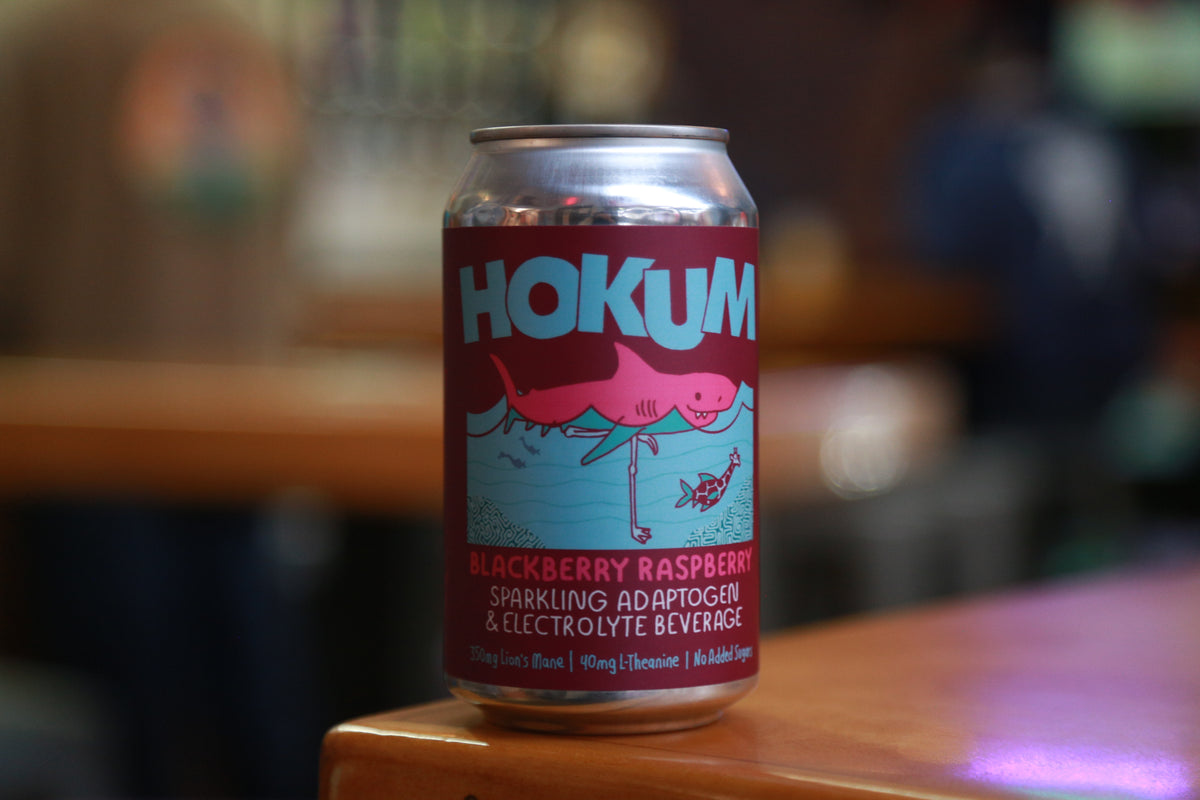
Buying guide: how to buy blackberry raspberry drink and order online safely
If your goal is to buy blackberry raspberry drink online, your biggest risks are stale inventory, misleading labels, and shipping heat exposure. Here is how to de-risk the purchase while getting the best value per can.
Conclusion
A high-performing blackberry raspberry drink is not just a flavor. It is a modern format for focus, hydration, and nonalcoholic social energy, as long as the formulation is transparent and matched to your moment.
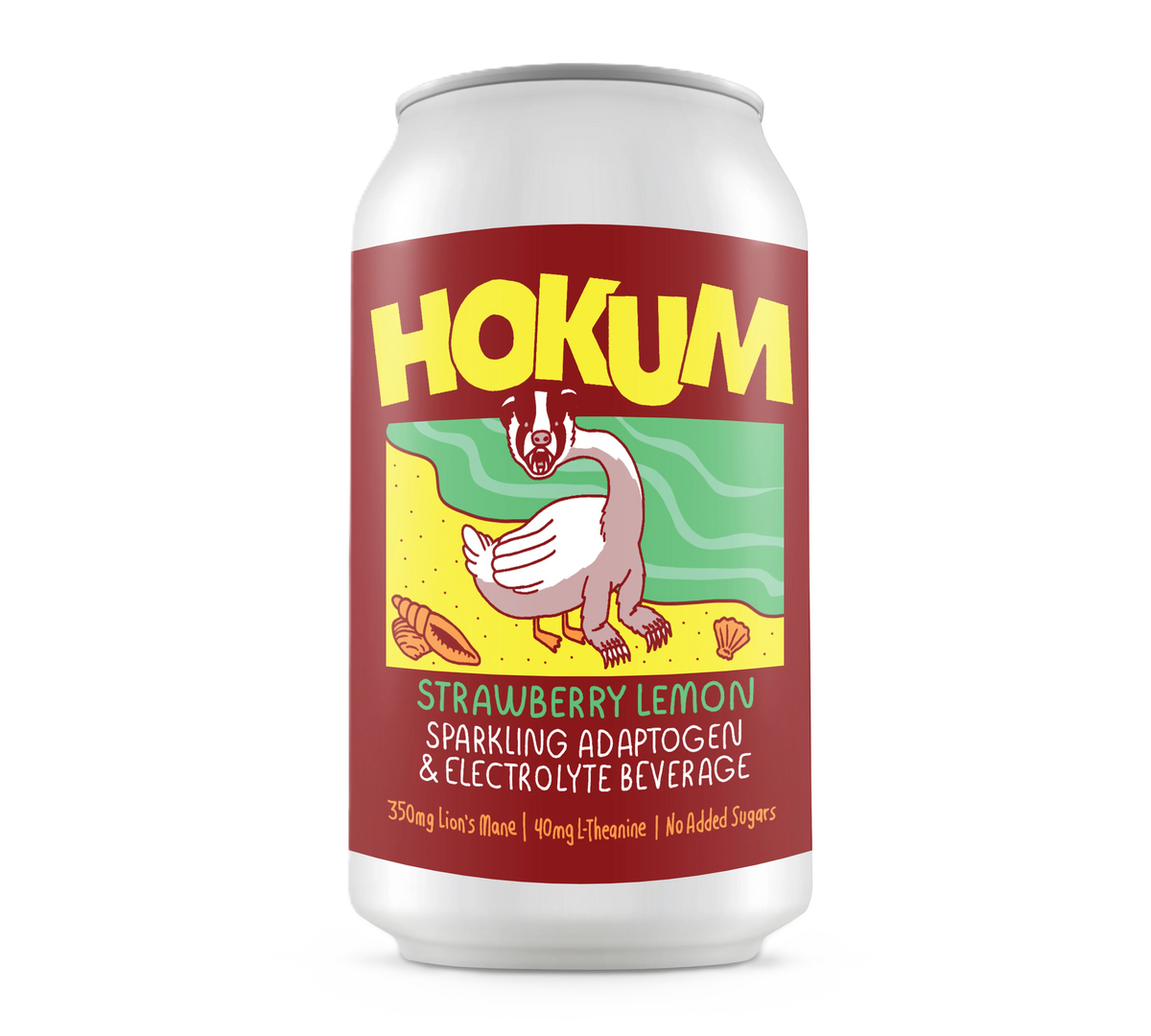
Want a blackberry raspberry beverage engineered for modern performance and clean taste? Drink Hokum builds functional flavor with tech-level precision. Contact us to ask about formulations, bulk orders, or where to buy: hello@drinkhokum.com.
Frequently asked questions
What is a blackberry raspberry drink?
A blackberry raspberry drink is a berry-flavored beverage that blends the dark, jammy profile of blackberry with the bright tartness of raspberry. In 2026, it often comes as a sparkling functional drink with options for caffeine, electrolytes, or nootropics. Always check the label to see whether it is juice-based, flavored, or functional.
Is a blackberry raspberry beverage the same as a mixed berry beverage?
Not always. A mixed berry beverage can include strawberry, blueberry, acai, or other berry notes, while a blackberry raspberry beverage focuses on that two-berry balance. If you want a specific flavor profile, look for “blackberry” and “raspberry” listed clearly on the front and in the ingredients.
Are raspberry drinks non alcoholic good replacements for cocktails?
Yes, if they have enough acidity, bitterness, and aroma complexity to feel “adult.” Choose lower-sugar options and serve over ice with citrus peel or botanicals. Verify caffeine content if you are drinking them at night.
Can a blackberry raspberry drink be an energy drink?
Yes. If it contains caffeine and functional additives, it effectively becomes a raspberry energy drink in use, even if the branding says “sparkling functional beverage.” Look for clearly stated caffeine in mg, and avoid products that hide caffeine in proprietary blends.
How much caffeine should I look for in a raspberry energy drink?
For most people, 80 to 150 mg fits a focus or productivity use case, while 150 to 200 mg is common for pre-workout. Your ideal amount depends on tolerance, body size, and timing. If sleep is a priority, avoid caffeine late in the day.
What are the real benefits of a blackberry beverage with electrolytes?
Electrolytes can support hydration, especially when sweating, traveling, or recovering from a long session. The benefit depends on dose, with sodium being a key driver for fluid retention. If the drink contains minimal sodium, hydration benefits may be limited.
Is “antioxidant-rich” on a blackberry raspberry drink label meaningful?
Sometimes, but not automatically. If the drink is mostly flavored and has little real juice or standardized extract, the antioxidant content may be small. Look for disclosed juice percentage or quantified extracts if antioxidants are your goal.
Should I choose sugar-free or low-sugar berry drinks?
If you are using the drink for focus, daily hydration, or calorie control, low-sugar options are usually the better fit. If you are doing long endurance training, some carbs can help performance and recovery. Match sugar to your use case instead of following trends blindly.
How do I buy blackberry raspberry drink online without getting stale product?
Buy from brands or retailers with high inventory turnover, and check for date codes when possible. Avoid deals that look too cheap if they do not disclose manufacturing or best-by timing. Store cans in a cool place to protect berry aroma and carbonation.
What should I look for before I order berry drink online for a party?
Choose caffeine-free or clearly low-caffeine options to avoid keeping guests wired at night. Prioritize balanced acidity and lower sweetness for broad appeal, and buy extra ice and citrus to upgrade the serve. If possible, order a variety pack to cover different sweetness preferences.

Leave a comment
This site is protected by hCaptcha and the hCaptcha Privacy Policy and Terms of Service apply.