
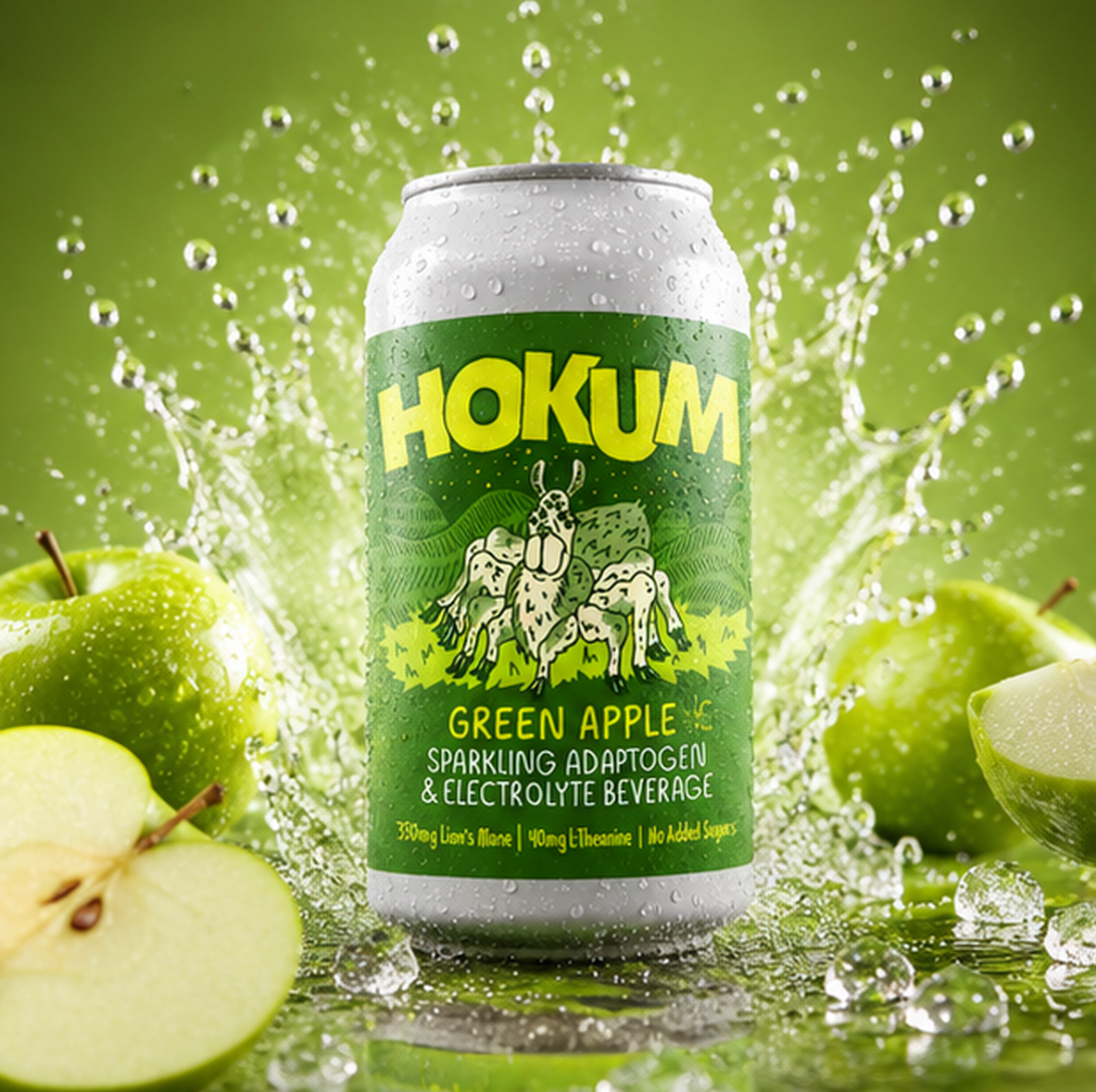
Green apple drink is having a real moment in 2026 because it hits a rare combo: sharp refreshment, high drinkability, and a flavor profile that naturally supports functional formats like hydration, energy, and nootropic stacks. The market signals are clear. The global energy drinks market was valued at USD 86.0 billion in 2021 and is projected to grow at 8.3 percent CAGR from 2022 to 2030 (Grand View Research, 2022). At the same time, consumers keep pushing for cleaner labels and lower sugar. In the US, 60 percent of consumers say they try to limit sugar (IFIC Food and Health Survey, 2023). In this guide, you will learn why sour green apple works so well in functional beverages, what ingredients actually move the needle, how to evaluate a green apple energy drink, and how to use a green apple drink mix for consistent performance.
Why green apple flavor feels so refreshing?
Refreshing is not just vibes. Green apple reads as crisp because it sits in a sensory sweet spot: tart acidity, bright aroma, and a clean finish that does not coat the palate. That matters in functional beverages because many active ingredients bring bitterness, metallic notes, or lingering sweetness.
Tartness improves “finish” and reduces flavor fatigue
Sour profiles tend to feel lighter per sip, especially when carbonation is present. This is one reason sour green apple energy drink formats are trending in 2026 among gamers, creators, and hybrid athletes. A sharper acid profile can also help mask off-notes from caffeine, B vitamins, and some amino acids.
Green apple pairs well with modern functional stacks
Flavor pairing is a technical decision. Green apple is compatible with electrolyte salts, natural caffeine systems, and nootropics that can be challenging to flavor. It also supports “cold” flavor cues, which brands use to communicate refreshment and hydration even when the product is an energy formula.
What makes a green apple drink “functional” in 2026?
In 2026, functional beverage expectations are higher. People want a clear job to be done: focus, clean energy, hydration, or mood support. A green apple drink becomes functional based on evidence-aligned ingredients, usable doses, and a formulation that fits real use cases.
Three functional lanes: hydration, energy, and nootropic focus
Most successful products fit one lane clearly or combine two without overpromising. The biggest mistakes happen when brands stack too many actives at underdosed levels. Consumers have learned to read labels, and retail buyers are stricter about claims.
What evidence says about common actives?
These ingredients show up repeatedly in performance beverages because the research base is stronger than the average trend ingredient.
Ingredient strategy: the real reason green apple works
Green apple flavor is not just popular. It is a functional formulation advantage. The tart profile lets you use less sweetness, which helps keep calories down while maintaining taste. It also tolerates higher acidity systems that keep drinks bright over shelf life.
Acid systems: malic acid is the green apple backbone
Most “green apple” character comes from malic acid paired with complementary fruit esters. Malic acid creates that mouth watering sourness. It also supports better taste perception in low sugar beverages, which is essential as sugar reduction remains a top consumer goal.
Sweetener choices in 2026: less sugar, better blends
Sweetener strategy is a major driver of repeat purchases. In 2026, best practice is to avoid “one-note” sweetness and instead use blended systems for a more sugar-like curve.
Carbonation and “cold cue” design
Carbonation adds bite and perceived refreshment, and it can reduce the need for heavy sweetness. For a sour green apple energy drink, light to moderate carbonation often performs best because it amplifies tartness without turning the drink harsh.

Green apple energy drink vs hydration vs drink mix: choose your format
The format changes everything: dosing, absorption timing, portability, and cost per serving. In 2026, drink mixes are growing fast because they fit travel, gym bags, and subscription routines, while ready-to-drink wins on convenience.
|
Format |
Best for |
Typical functional profile |
Watch-outs |
|---|---|---|---|
|
Ready-to-drink green apple energy drink |
Instant use, commuting, gaming sessions |
100 to 200 mg caffeine, optional theanine, B vitamins |
Overuse stacking with coffee, hidden stimulants |
|
Hydration green apple drink |
Daily hydration, workouts, heat exposure |
Electrolytes, low sugar, sometimes magnesium |
Too little sodium for heavy sweaters |
|
Green apple drink mix |
Travel, cost control, custom dosing |
Electrolytes or energy or nootropic depending on formula |
Under-dilution increases acidity and GI upset |
|
Sour green apple energy drink mix |
High sensory kick, pre-work or focus sprints |
Stimulants plus acids, sometimes pump ingredients |
Acid load, dental exposure if sipped for hours |
Cost per serving reality check
Ready-to-drink products tend to cost more due to packaging, cold-chain logistics in some channels, and retailer margins. Mixes usually win on price per serving and allow you to scale intensity by changing water volume. If you are building a daily habit, a green apple drink mix can be the most sustainable option.
2026 trends shaping green apple functional beverages
May 2026 is a different world than even 2023. Brands are navigating ingredient scrutiny, sugar reduction pressure, and a consumer base that expects lab testing transparency. Green apple is benefiting from these shifts because it makes “less sweet” feel like a feature, not a compromise.
Trend 1: lower sugar and metabolic-friendly positioning
Consumers are actively limiting sugar. In the US, 60 percent report trying to reduce sugar intake (IFIC, 2023). Green apple profiles help brands deliver a satisfying taste with fewer grams of sugar by leaning on sourness and aroma. This supports better macros without making the drink feel diet-like.
Trend 2: caffeinated products face tighter expectations
Energy drinks are under ongoing scrutiny, and brands are responding with clearer labeling, moderate caffeine tiers, and more “calm energy” positioning. The American Academy of Pediatrics advises that children and adolescents should avoid energy drinks due to stimulant content (AAP policy statements and guidance, reaffirmed in the 2010s and cited widely). In 2026, many brands also publish caffeine per can on the front panel to reduce accidental overconsumption.
Trend 3: hydration plus focus is the new baseline
Hybrid formulas that combine modest caffeine with electrolytes are now mainstream because the modern consumer is juggling work, workouts, and social life with less sleep. The global energy drinks market growth trend remains strong, projected at 8.3 percent CAGR through 2030 (Grand View Research, 2022), while hydration products continue expanding across fitness and lifestyle channels.
Trend 4: transparency and third-party testing
In 2026, serious functional beverage brands increasingly use QR codes to link to COAs or third-party testing summaries. This is becoming a trust signal similar to what happened in supplements. If a product claims nootropics or performance benefits, expect retailers to ask about testing, heavy metals, and stimulant compliance.

Common mistakes to avoid with green apple functional drinks
Most people fail functional beverages with behavior, not product choice. Fix these and your green apple energy drink or green apple drink mix becomes a tool instead of a gamble.
Mistake 1: stacking caffeine blindly
A can plus a coffee plus a pre-work scoop can push you past your comfortable range fast. Use the FDA adult guidance as a ceiling reference of 400 mg per day for most healthy adults (FDA, 2018), then set your personal performance zone lower.
Mistake 2: treating “sour” as hydration
Sour taste does not equal electrolytes. If your goal is hydration, check sodium and potassium. Many sour green apple energy drink products are designed for stimulation, not sweat replacement.
Mistake 3: under-diluting drink mixes
A green apple drink mix is designed around a water volume. If you cut water in half, you double acidity and sweetness intensity, and GI discomfort becomes more likely. If you want stronger effects, increase functional dose first, not acidity.
Mistake 4: using high-acid drinks as all-day sippers
Acid exposure is about contact time. If you love the flavor, treat it as a quick hit then switch to water. Your teeth and stomach will both perform better.
Conclusion
Green apple works because it makes modern functional beverage design easier. It supports low sugar refreshment, masks common active ingredient off-notes, and fits both ready-to-drink and mix formats. If you want a drink that feels clean, sharp, and performance-aligned, green apple is a smart default in 2026.
Next step: pick your lane, energy, hydration, or focus, then match it to a green apple formula with disclosed dosing and realistic claims. If you want a bold, futuristic functional option engineered for modern performance, explore what we are building at Drink Hokum.
Contact us to learn more and collaborate.
Frequently asked questions
What is a green apple drink in the functional beverage world?
A green apple drink is a green apple flavored beverage that is often formulated with functional ingredients like caffeine, electrolytes, amino acids, or nootropics. In 2026, the term usually implies a low sugar profile with a crisp sour taste designed for refreshment and repeat use.
Is a green apple energy drink healthier than other flavors?
The flavor does not determine health outcomes, the formula does. Green apple can make low sugar and lower calorie formulas taste better, which helps some people reduce sugar intake. Always compare caffeine, sweeteners, and total calories across options.
Why do sour green apple energy drink products feel more refreshing?
Sourness increases mouthwatering sensation and reduces sweetness fatigue, especially with carbonation. That sensory profile can also mask bitterness from caffeine and vitamins, making the drink feel cleaner and lighter.
How much caffeine is typical in a green apple energy drink?
Many products range from about 80 to 200 mg caffeine per serving. For healthy adults, the FDA notes that up to 400 mg per day is not generally associated with negative effects (FDA, 2018), but your personal tolerance may be lower.
When should I choose a green apple drink mix instead of ready-to-drink?
Choose a green apple drink mix when you want portability, lower cost per serving, or flexible dosing. Mixes also let you adjust water volume for a lighter taste during long sessions, which can reduce flavor fatigue.
Can I use a green apple drink for hydration during workouts?
Yes if it is formulated with meaningful electrolytes, especially sodium. Sour taste alone does not indicate hydration support, so check the label for sodium and potassium amounts. For long or hot workouts, electrolyte dosing matters more than flavor.
Should I drink a green apple energy drink every day?
Daily use can be fine if caffeine, sugar, and total stimulant load fit your routine and sleep quality stays strong. If you notice anxiety, sleep disruption, or reliance, rotate in stimulant-free hydration days and reduce total caffeine intake.
What are common side effects of sour green apple energy drink products?
Common issues include jitteriness, elevated heart rate, and sleep disruption from caffeine, plus stomach discomfort from high acidity. If you sip acidic drinks for long periods, dental sensitivity can also become an issue. Dilution, timing, and dose control usually solve most problems.
How do I pick the best sweetener profile for a green apple drink?
If you want the cleanest finish, look for blended sweetener systems rather than one high-intensity sweetener alone. If you want minimal aftertaste, consider lower sweetness overall since green apple can carry flavor through acidity and aroma.
Can teens drink green apple energy drink products?
Most pediatric guidance advises that children and adolescents should avoid energy drinks due to stimulant content (American Academy of Pediatrics guidance, widely cited). If you are shopping for a younger person, choose stimulant-free hydration options and consult a clinician when in doubt.

Leave a comment
This site is protected by hCaptcha and the hCaptcha Privacy Policy and Terms of Service apply.