
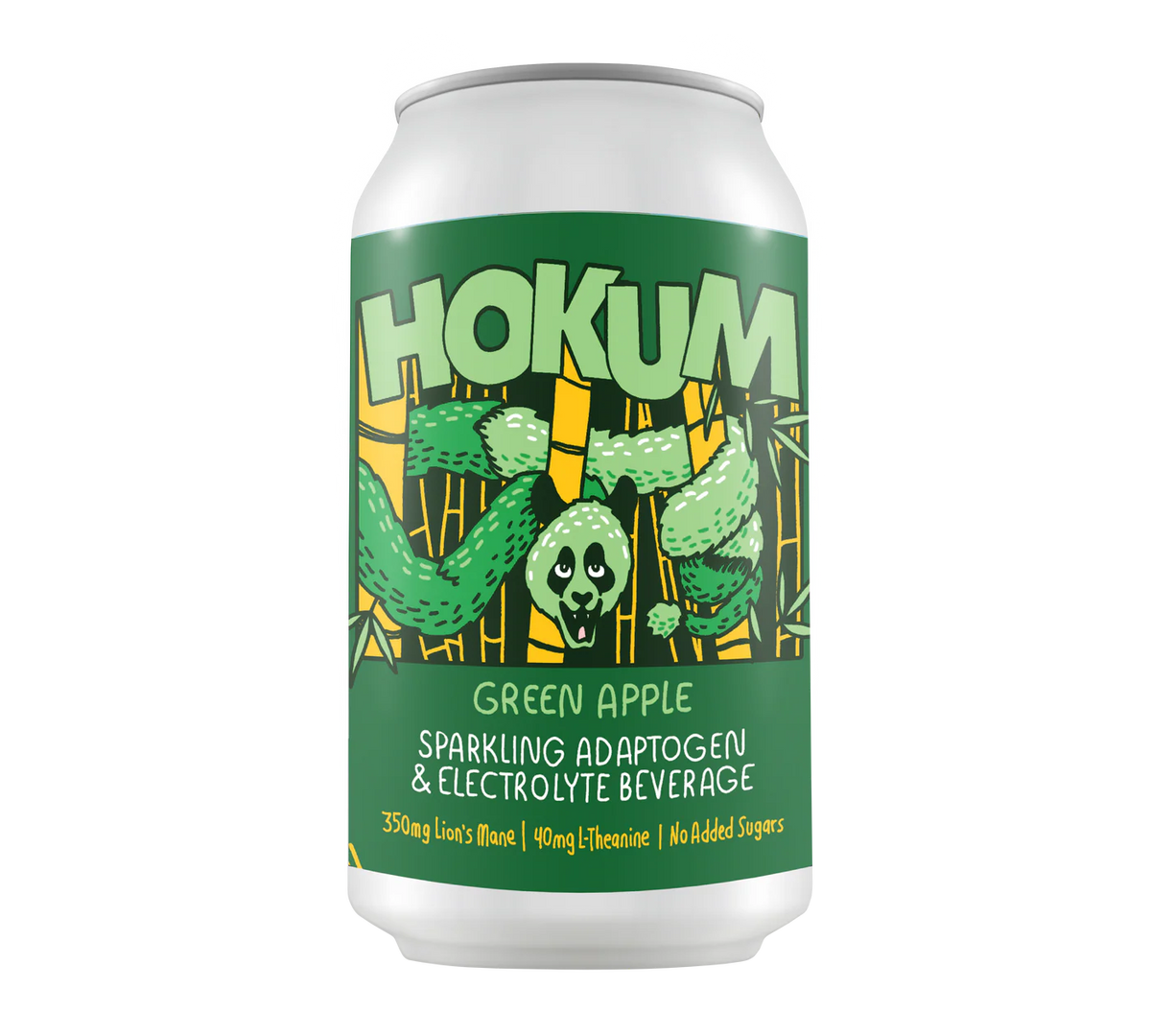
Energy beverages are getting audited by consumers in real time. Labels, sweeteners, caffeine source, adaptogens, electrolytes, and even acid load are now part of the buying decision. The shift is measurable: the U.S. energy drink market reached $19.2Bin 2023 and is forecast to keep growing through 2028 (Mintel, 2024), but the growth is increasingly skewing toward clean energy drinks and “better-for-you” formats. That is why the green apple energy drink flavor wave matters right now in 2026. It is not just a taste trend. It is a sensory shortcut that signals “crisp, fresh, light, not syrupy”, which aligns with what modern buyers want: hydration energy + focus without the crash. This guide breaks down the data, what’s changing in 2026, and how to pick or build smarter green apple options.
Why green apple is winning in clean energy drinks?
Green apple has become the “clean signal” flavor in functional beverages. It reads as tart, bright, and refreshing, which helps brands reduce perceived sweetness and avoid the candy profile associated with legacy energy beverages. In sensory research, sour and crisp notes can increase perceived refreshment and reduce perceived heaviness, which is exactly what consumers want from non alcoholic energy drinks used during work, gaming, and training sessions.
The sensory psychology behind “crisp energy”
Consumers often interpret “green apple” as closer to fruit and hydration than “blue raspberry” or “cotton candy.” That matters because modern shoppers are actively reducing sugar. The World Health Organization reiterates that adults should keep “free sugars” below 10% of total energy, with further benefits below 5% (WHO, 2015). Green apple lets brands deliver punchy flavor intensity with fewer sweetening agents.
A flavor that plays well with functional stacks
Green apple pairs unusually well with ingredients that can taste bitter, metallic, or botanical. That includes caffeine, L-theanine, B vitamins, taurine, electrolytes, and certain nootropics. It can also mask off-notes from minerals (magnesium, potassium) that support hydration energy, making it a practical formulation choice for clean energy beverages.
What “clean energy” means in 2026 (and what it does not)?
In 2026, “clean” is less about a single ingredient and more about the full system: stimulant dose, sweetener strategy, acid profile, functional evidence, and transparency. The category is moving from hype to proof because people are using energy beverages daily, not occasionally. That forces better design.
What clean energy does not automatically mean?
Clean does not mean stimulant-free, crash-proof, or “healthy for everyone.” It also does not mean “no side effects.” The FDA advises healthy adults to keep caffeine intake at up to 400 mg/day(FDA, updated 2018). A green apple energy drink can still overshoot your tolerance if you stack it with coffee, pre-workout, or ADHD meds.
Ingredient science: building a green apple energy drink that actually performs
If green apple is the interface, ingredients are the engine. In 2026, the best functional beverages are designed for specific use cases: focus drinks for work blocks, hydration energy for training, and non alcoholic energy drinks for social nights. The formula should match the moment.
Caffeine + L-theanine: the “smooth focus” baseline
The most common modern pairing is caffeine with L-theanine. A systematic review found L-theanine can support attention and alertness, particularly when combined with caffeine (Nobre et al., 2008). The practical takeaway: for many people, 100 to 150 mg caffeineplus theanine in a meaningful ratio feels less jittery than caffeine alone.
Electrolytes for hydration energy (especially for active users)
Hydration is a performance variable, not a wellness slogan. Even modest dehydration can impair performance and mood. Position stands from major sports medicine bodies emphasize that dehydration negatively affects exercise performance, especially as intensity and heat rise (ACSM, 2016). A green apple profile pairs well with sodium and potassium, and it can reduce the “salty” perception that turns people off electrolyte drinks.
Sweeteners, acids, and the “clean” aftertaste problem
In 2026, many clean energy drinks are reformulating to reduce lingering sweetness and GI upset. Green apple helps because tartness can balance high-intensity sweeteners. Watch for acid stacks like citric and malic acid, which deliver the green apple bite but can increase perceived sharpness. If you have reflux or enamel concerns, choose options with moderated acidity and avoid sipping over hours.

Market data and trends shaping 2026 (and why green apple fits)
Clean energy is not a niche anymore. It is the direction of travel for mainstream energy beverages. Consumers want fewer calories, more function, and clearer labeling, and regulators are paying attention to claims and stimulant load.
Category growth meets “better-for-you” expectations
The U.S. energy drink market hit $19.2B in 2023 and is projected to continue growing (Mintel, 2024). At the same time, the “zero sugar” shift is accelerating. Global launches of beverages with low or no sugar have remained a major innovation theme across categories (Innova Market Insights, 2024). Green apple sits perfectly in this: it tastes “zero” even when lightly sweetened, because tartness does the heavy lifting.
Non alcoholic energy drinks for social and late-night use
The non-alcoholic movement is maturing. The share of U.S. adults who report drinking alcohol has trended down over the long term, with Gallup reporting 62%of adults drink alcohol in 2023 versus higher levels in past decades (Gallup, 2023). That cultural shift increases demand for functional, non alcoholic energy drinks used for nights out, study sessions, and events.
2026 formulation trend: “stack clarity” and dose transparency
In 2026, brands are moving away from vague “energy matrix” blends. Expect more front-of-can callouts for caffeine amount, electrolyte totals, and nootropic doses. Consumers are cross-checking claims instantly, and retail buyers are increasingly cautious about overstated cognitive claims.
Comparison table
Not all green apple energy drink options deliver clean energy. Use this framework to compare labels fast. The goal is to match the drink to your use case: work focus, training hydration energy, or social stamina.
|
Use case |
Target caffeine |
Key add-ons |
What to avoid |
|---|---|---|---|
|
Focus drinks for work or study |
80 to 160 mg |
L-theanine, tyrosine (if tolerated), B vitamins |
300 mg+ caffeine, heavy sugar alcohols if you are sensitive |
|
Hydration energy for training |
80 to 200 mg |
Electrolytes (sodium, potassium, magnesium), moderate carbs for long sessions |
Very high acidity if sipping for hours, low sodium “electrolyte” claims |
|
Non alcoholic energy drinks for nights out |
60 to 120 mg |
Lower carbonation (optional), adaptogens (as tolerated), lighter sweetness |
Late-day mega caffeine, stacking with pre-workout or strong coffee |
|
“Clean” daily driver |
60 to 150 mg |
Simple label, clear dosing, low sugar, predictable effects |
Proprietary blends hiding totals, stimulant cocktails you cannot quantify |

Pro tips and common mistakes to avoid (so your clean energy stays clean)
Most “bad energy drink experiences” are not caused by one ingredient. They come from stacking, timing mistakes, and choosing a formula that does not match your physiology.
What the future looks like: green apple as a platform flavor for functional beverages?
Green apple is trending as more than a single SKU. It is becoming a “platform flavor” that brands can extend across multiple functional beverages: morning focus, afternoon hydration energy, and night-time social alternatives. The reason is simple: it has mass appeal, it reads as clean, and it can mask functional ingredients without tasting medicinal.
Where green apple may lose ground
If every brand runs the same green apple profile, differentiation collapses. The next step is “green apple plus”: green apple yuzu, green apple cucumber, green apple mint, or green apple ginger designed around specific benefits like focus drinks or hydration energy. The winners will be the brands that tie flavor architecture to function, not just novelty.
How to choose the right green apple energy drink for your goals
You do not need a lab to choose well. You need a repeatable checklist. Use this to avoid buying marketing and start buying outcomes.
Conclusion
Green apple is not a gimmick. In 2026, it is a high-performance flavor signal that matches where clean energy drinks are headed: lower sugar, sharper refreshment, and better functional design. The future belongs to products that combine taste architecture with evidence-led formulation and transparent dosing.
Next step: pick one green apple energy drink, run a 7-day performance log (focus, mood, GI comfort, sleep), and keep only what improves outcomes. If you want a bold, futuristic take on clean energy and functional beverages, explore what we are building at Drink Hokum.
Contact us for product recommendations, wholesale inquiries, or formulation collaboration, reach out to Drink Hokum via our website contact form.
Frequently asked questions
Are green apple energy drink options healthier than regular energy beverages?
Not automatically. Green apple is a flavor, not a health claim. The health impact depends on caffeine dose, sugar, sweeteners, and how often you consume it relative to sleep and total diet.
How much caffeine should I look for in a clean energy drink?
For many people, 80 to 160 mg per serving is a practical range for focus and performance. The FDA notes up to 400 mg/day is generally not associated with dangerous effects for healthy adults (FDA, 2018). If you are sensitive, start lower and avoid stacking sources.
Do green apple focus drinks actually improve concentration?
The flavor itself does not increase focus, but the ingredient stack can. Evidence suggests L-theanine can support attention and alertness, especially with caffeine (Nobre et al., 2008). Look for transparent dosing rather than vague “nootropic blend” language.
Can I use a green apple energy drink for hydration energy during workouts?
Yes, if it contains meaningful electrolytes and does not upset your stomach. For longer or hotter sessions, sodium matters most, and many “electrolyte” drinks underdose it. If you sweat heavily, choose an option with clear electrolyte amounts and test it in training, not on race day.
Are non alcoholic energy drinks safe to drink at night?
They can be, but timing is everything. Caffeine can interfere with sleep quality even if you fall asleep quickly. If it is late, choose lower caffeine options or switch to stimulant-free functional beverages.
What should I avoid if I get jitters or anxiety from energy beverages?
Avoid high caffeine doses, fasted consumption, and stacking multiple stimulants. Consider a formula with moderate caffeine and theanine, and take it with food. If anxiety persists, talk to a clinician, especially if you take medications that interact with stimulants.
Is a zero sugar green apple energy drink always the best choice?
Zero sugar is useful for calorie control, but it is not the only variable. Some people react poorly to certain sweeteners or sugar alcohols. The best choice is the one you tolerate well and can use consistently without sleep disruption.
How do I compare green apple energy drinks quickly in a store?
Check three numbers first: caffeine (mg), sugar (g), and calories. Then scan for functional add-ons like theanine or electrolytes with disclosed amounts. If the brand is not transparent, it is usually not optimized for performance.
Will green apple remain a top flavor in functional beverages beyond 2026?
It is likely to stay strong because it maps to “crisp and clean” positioning and pairs well with functional ingredients. The next wave is differentiation through “green apple plus” combinations and tighter benefit matching. Brands that link flavor design to use-case outcomes will win.

Leave a comment
This site is protected by hCaptcha and the hCaptcha Privacy Policy and Terms of Service apply.