
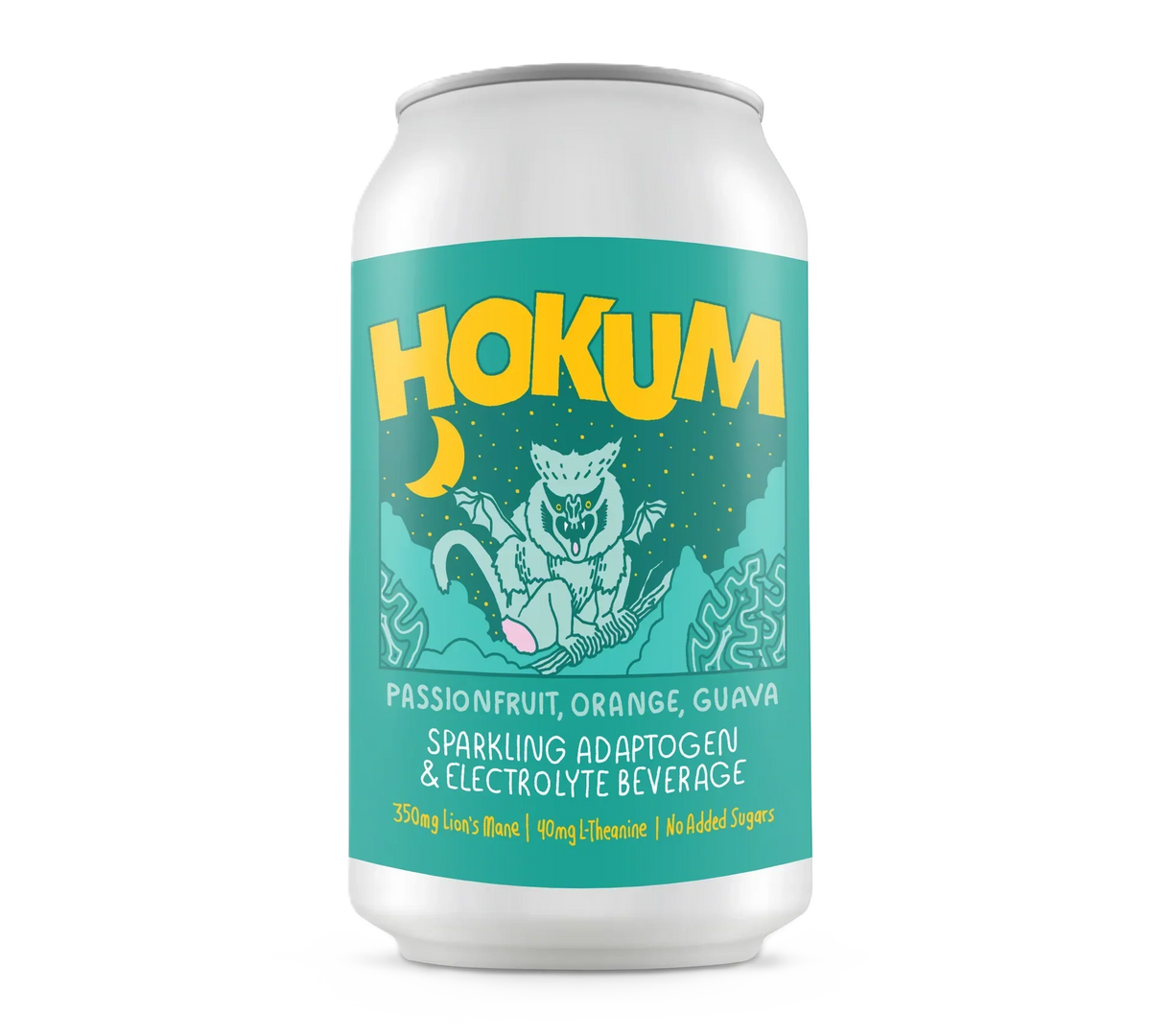
Guava orange drink is having a moment because 2026 is the year of “flavor with function.” Consumers are actively cutting alcohol and sugar while still demanding bold, transportive taste. In the US, 21% of adults report drinking less alcohol than they did a year ago(Gallup, 2024), and brands have responded by pushing brighter, more complex orange juice non alcoholic drinksthat feel like a treat, not a compromise.
Passionfruit + orange + guava (POG) is the blend that wins because it solves the hardest beverage problem: balancing tartness, aroma, and body without relying on heavy sweetness. This guide breaks down why the blend works, what to look for on labels, how it fits 2026 trends, and how to buy guava orange drink like a pro.
What makes passionfruit orange guava (POG) a “perfect blend”?
POG works because each fruit plays a distinct sensory role. Orange brings familiar citrus brightness. Guava adds roundness and tropical body. Passionfruit delivers high-impact aroma and sharp top notes that make the drink feel “fresh” even when it is shelf-stable.
Why it tastes “juicier” with less sugar
Perceived sweetness is not only sugar. Aroma, acidity, and mouthfeel drive “juicy” perception. Passionfruit increases aromatic intensity, while guava adds a soft texture that reads as richer. The result is a citrus tropical drink that can taste fuller at lower Brix than a straight orange drink, especially when supported by a small amount of natural acids (citric, malic) and soluble fiber.
Nutrition and functional positioning: where POG fits in 2026
In 2026, the winning orange guava beverage is not just about fruit. It is about matching modern use cases: focus, performance, hydration, and alcohol replacement. Consumers are also reading labels harder than ever, and “better-for-you” is now table stakes.
Vitamin C and antioxidant expectations (and the reality)
Orange is strongly associated with vitamin C, but actual content varies widely depending on juice percentage, processing, and fortification. Look for brands that disclose % juice and provide a Nutrition Facts panel with vitamin C percent DV. On the science side, vitamin C is well-established as essential for immune function and as an antioxidant, but it is not a “hack.” Your POG is a daily driver, not a miracle button.
Sugar and calories: the 2026 baseline
Consumers are actively trying to reduce sugar. In the US, 72% of consumers say they are trying to limit or avoid sugar (IFIC Food and Health Survey, 2023). That pushes brands to create guava juice drink blends that deliver flavor intensity with fewer grams of added sugar, often using higher fruit aroma, acids, or non-nutritive sweeteners.

Creative ways to enjoy a guava orange drink beyond hydration
A guava orange drink is no longer just something to sip on a hot day. In 2026, tropical citrus beverages are becoming versatile ingredients for everything from mocktails to smoothies and wellness routines. Their balanced sweetness and vibrant aroma make them suitable for multiple occasions throughout the day.
Morning refresher
Start your day with a chilled passionfruit orange guava drink alongside a protein-rich breakfast. The citrus notes provide a refreshing start, while the tropical flavors offer a lighter alternative to sugary breakfast beverages.
Pre- or post-workout beverage
A guava orange drink containing electrolytes or added vitamins can complement your workout routine. Before exercise, it provides a refreshing source of carbohydrates for longer training sessions. After exercise, it can help replace fluids and support recovery when paired with adequate protein and water.
Zero-proof mocktails
The bold aroma of passionfruit and guava makes POG an excellent base for alcohol-free cocktails. Try combining it with:
- Sparkling water for a lighter spritz
- Fresh mint and lime for extra freshness
- Ginger beer for a spicy tropical twist
- Coconut water for added hydration
These combinations create premium non-alcoholic drinks that feel just as celebratory as traditional cocktails.
Smoothie enhancer
Instead of using plain juice, blend a guava orange drink with frozen mango, pineapple, banana, or Greek yogurt for a smoothie packed with tropical flavor. The passionfruit notes add complexity without requiring extra sweeteners.
Pairing with meals
POG pairs especially well with foods that feature bright, fresh flavors, including:
- Grilled seafood
- Chicken wraps
- Fresh fruit salads
- Yogurt parfaits
- Spicy tacos and rice bowls
Its balanced acidity helps cleanse the palate, making it a refreshing accompaniment to both light lunches and flavorful dinners.
Whether you're looking for an everyday refreshment, a functional beverage, or a sophisticated alcohol-free option, a quality guava orange drink offers far more versatility than traditional fruit juices.
The data: market demand is shifting toward tropical, non alcoholic, and functional
The macro trend is clear in 2026: more people want flavorful, non alcoholic options that still signal “occasion.” Tropical-citrus blends over-index because they feel like travel, and travel is a vibe consumers can drink.
POG versus other popular citrus tropical drink profiles
|
Blend |
Flavor impact |
Typical sugar strategy |
Best use case |
|---|---|---|---|
|
Passionfruit + Orange + Guava (POG) |
High aroma, balanced tart, creamy tropical finish |
Can taste sweet with less added sugar due to aroma + guava body |
All-day: hydration, mixers, focus-friendly formats |
|
Pineapple + Orange |
Bright, sharp, candy-like if sweetened |
Often needs sugar reduction tactics to avoid cloying finish |
Brunch and mocktails |
|
Mango + Citrus |
Thick, lush, lower perceived acidity |
Can run calorie-heavy if juice-heavy |
Meal pairing, smoothies |
|
Lemonade + Tropical |
Very tart, refreshing, thinner mouthfeel |
Commonly higher added sugar to offset acidity |
Heat, outdoor events |
What is changing in 2026: trends shaping the orange guava beverage category
May 2026 is about three forces: sugar reduction without taste loss, functional ingredients with clearer dosing, and packaging choices that match sustainability expectations. Brands that win make the product legible: you can understand what it does and why it tastes great.
Trend 1: “Zero proof” is no longer niche
Non alcoholic is now a default option at social events, gyms, and creator-led communities. POG fits because it delivers cocktail-level aroma without alcohol. It also mixes well with botanicals like ginger, yuzu, and mint.
Trend 2: Cleaner energy, fewer crashes
The energy segment is shifting toward smoother stimulation and less aggressive dosing. Expect more tea-derived caffeine, L-theanine pairing, and hydration-forward energy formats. A guava orange drink profile helps mask functional bitterness and still tastes premium.
Trend 3: Transparent sourcing and “real fruit cues”
Consumers are skeptical of vague “natural flavors” as the only tropical signal. Expect more brands to call out fruit origins, juice percentages, and processing methods (cold-fill, hot-fill, aseptic). This is especially relevant for people actively looking to buy guava orange drinkonline and comparing labels fast.
Conclusion
Passionfruit orange guava is not just a flavour combo. It is a design system for modern beverages: aromatic, balanced, and versatile enough to go from hydration to focus to zero-proof social.
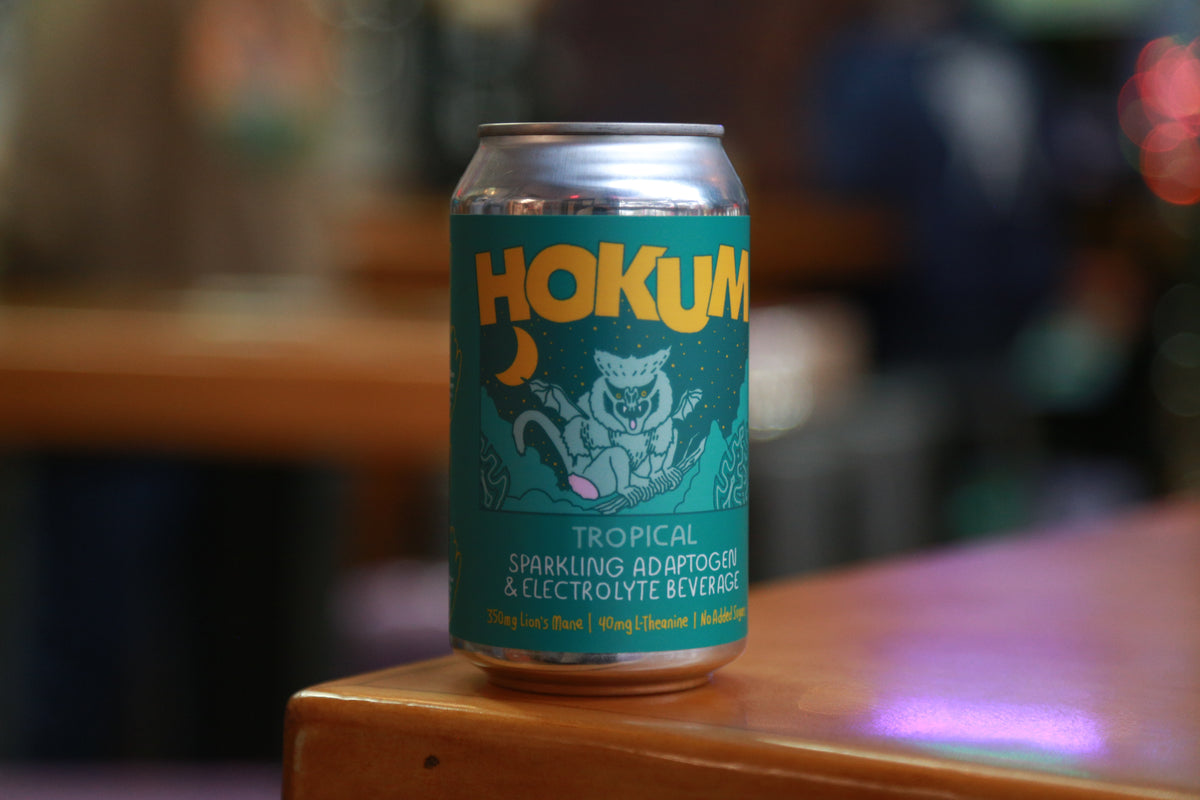
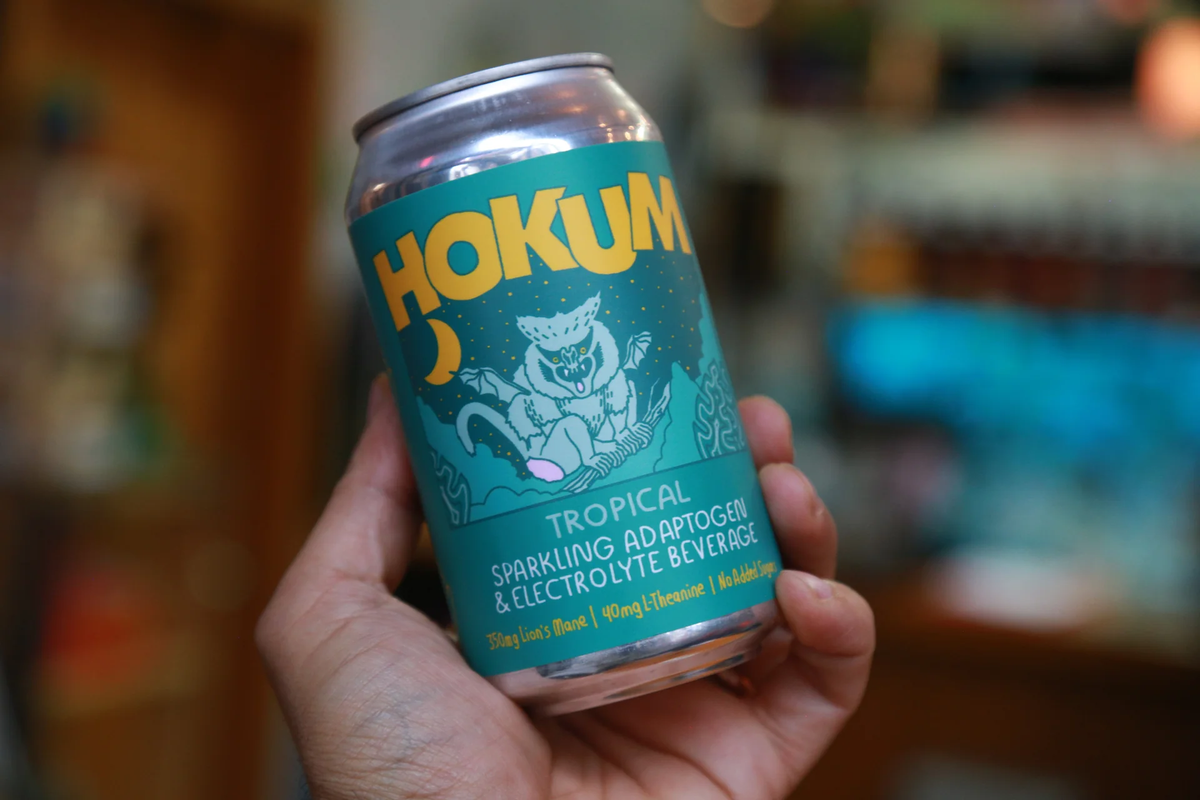
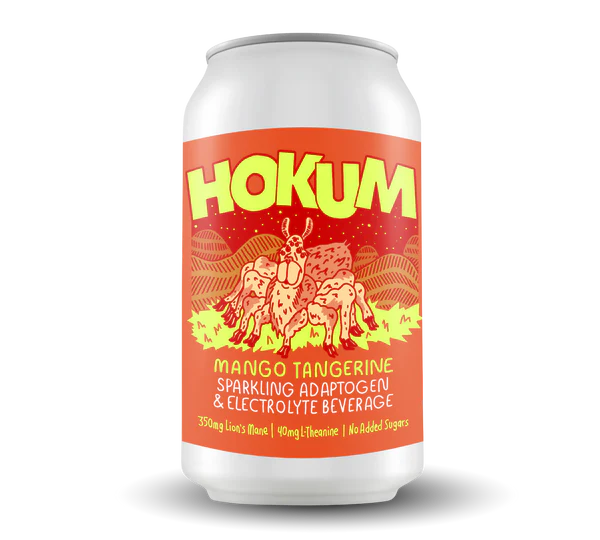
If you want a next-level guava orange drink that hits taste, performance, and futuristic function, this is where Drink Hokum lives. Contact us to explore formulations, partnerships, or to find the best way to buy guava orange drink for your goals: Drink Hokum (Contact Us page or support email).
Frequently asked questions
What is a guava orange drink, exactly?
A guava orange drink is a blended beverage where orange provides citrus brightness and guava provides tropical sweetness and body. Many products also add passionfruit to create a POG profile with higher aroma and a more “cocktail-like” finish. Always check the label for % juice and added sugar to understand what you are buying.
Why do passionfruit, orange, and guava taste so good together?
Orange delivers familiar sweet-tart balance, guava adds smooth mouthfeel, and passionfruit boosts aroma intensity. That trio creates a layered flavor that tastes juicy even at lower sweetness. It is a classic example of using aroma and acidity to reduce reliance on sugar.
Is a guava juice drink healthy?
It can be, but it depends on the formula. A lower added-sugar blend with transparent ingredients can fit well into a balanced diet, while high-sugar versions behave more like soda. Use the Nutrition Facts panel and added sugar line as your primary filter.
Are orange juice non alcoholic drinks good alcohol alternatives?
Yes, especially when they are sparkling and aromatic. Consumers are increasingly choosing non alcoholic options, and tropical citrus blends feel celebratory without alcohol. For the best swap, pick a drink with strong aroma, balanced acidity, and moderate sweetness.
How much sugar should I look for in an orange guava beverage?
For everyday use, many people prefer products with 0 to 10 g added sugar per serving, but needs vary. If you are training or using it during endurance activity, some sugar can be useful for energy. The key is intentionality: match sugar to your goal.
Can I drink POG every day?
Most people can, as long as the drink fits their sugar and calorie targets and does not irritate their stomach. If you are sensitive to acidity, dilute it or choose a less tart formula. If it is caffeinated, keep total daily caffeine within your personal tolerance and health guidance.
What is the best time to drink a citrus tropical drink for workouts?
For performance, many people use it 30 to 60 minutes pre-workout or during longer sessions, depending on caffeine and carb content. If it contains electrolytes, it is also useful post-workout, especially after heavy sweating. Adjust based on training intensity, heat, and duration.
How do I buy guava orange drink online without getting a low-quality product?
Look for clear % juice disclosure, reasonable added sugar, and transparent functional dosing if applicable. Scan reviews for “artificial aftertaste” and “too sweet,” which often signal imbalance. Prioritize brands that publish nutrition and ingredient details clearly on product pages.
Does POG work with functional ingredients like caffeine or electrolytes?
Yes, POG is one of the best masking and flavor-supporting profiles for functional additions. Passionfruit and guava help cover bitterness and metallic notes from minerals. The best products disclose exact amounts so you can predict the effect.
What is the difference between “juice,” “nectar,” and “juice drink”?
Definitions vary by region, but generally “juice drink” often means lower % juice with added water and sometimes sweeteners. “Nectar” can be thicker and may include added sugar depending on the fruit and local standards. In 2026, the simplest move is to verify % juice, added sugar, and serving size on the label.

Leave a comment
This site is protected by hCaptcha and the hCaptcha Privacy Policy and Terms of Service apply.