

Order exotic fruit beverage options with more intention and your everyday drink can become more than something you grab when you are thirsty. The modern beverage market is moving toward bold tropical flavours, functional ingredients, cleaner formulations and drinks designed around specific moments such as work, exercise and social occasions.
That shift continues in 2026. Consumers are increasingly treating beverages as functional tools for hydration, energy, focus and alcohol-free occasions. NielsenIQ reported in 2025 that non-alcoholic beverages were gaining attention while hydration and energy platforms continued to influence purchasing behaviour. More than 65% of beverage purchases were planned, showing that shoppers are becoming increasingly deliberate about what they drink.
Flavour matters too. Innova Market Insights reported in 2025 that nearly one in three consumers in the United States and Canada actively seek new, unique or different beverage flavours. New beverage launches featuring flavour blends recorded a 9% compound annual growth rate. Tropical flavours are also moving beyond traditional summer positioning and becoming year-round choices.
So, what actually makes an exotic fruit drink suitable for everyday drinking? The answer comes down to flavour, formulation, sugar, stimulants, functional ingredients and how the beverage fits your routine.
What makes an exotic fruit beverage different?
An exotic fruit beverage typically uses tropical or less conventional flavour combinations rather than relying only on familiar profiles such as cola, plain lemon or standard orange.
Think passionfruit with guava. Mango with tangerine. Blackberry with raspberry. These combinations create more complex sensory experiences without requiring alcohol.
This matters because younger consumers increasingly want novelty without abandoning wellness goals. Innova Market Insights noted in 2025 that tropical flavours were becoming relevant throughout the year. Their appeal is connected with refreshment, experimentation and the desire for more interesting sensory experiences.
A modern tropical fruit drink can also occupy a space between conventional juice, soda, energy drinks and functional beverages. Instead of delivering flavour alone, some products combine fruit profiles with electrolytes, amino acids, mushrooms or other functional ingredients.
The key distinction is purpose. A good everyday beverage should taste good enough that you actually want to drink it while having a formulation that makes sense for regular use.
Functional ingredients are becoming part of everyday beverages
One of the defining beverage trends in 2026 is the convergence of refreshment and function. Drinks are increasingly designed around outcomes such as focus, hydration and recovery rather than traditional beverage categories alone.
This shift was already clear in NielsenIQ's 2025 analysis. The company described functional beverages containing adaptogens, vitamins and botanicals as a growing part of the wellness-focused beverage landscape.
For consumers choosing an exotic fruit drink, this creates an important question. Are you buying the drink primarily for taste or do you also want a functional formulation?
Lion's mane
Lion's mane is a mushroom that has attracted significant attention in the nootropic and functional food category. Human research has investigated its possible relationship with cognitive function and mood.
However, research is still developing. Lion's mane should not be treated as a substitute for medical treatment or as a guaranteed cognitive enhancer.
When evaluating beverages containing lion's mane, look for a clearly disclosed quantity rather than simply the ingredient name on the package.
L-theanine
L-theanine is an amino acid naturally associated with tea. It has become increasingly common in functional beverages positioned around relaxation and concentration.
Transparency matters here too. Knowing how much L-theanine a beverage contains allows you to compare formulations instead of comparing marketing claims.
Electrolytes and magnesium
Electrolytes support normal physiological functions including fluid balance, nerve signalling and muscle function. Magnesium also contributes to numerous processes throughout the body.
Functional beverages should complement an appropriate diet rather than become a replacement for balanced nutrition.
What the functional beverage market looks like in 2026
In 2026, several trends are reshaping the category. Hydration has moved beyond traditional sports drinks. Nootropic ingredients are appearing in ready-to-drink formats. Tropical flavour combinations are expanding beyond seasonal launches. Alcohol-free drinking occasions are also becoming more important.
Consumer behaviour supports this shift. NielsenIQ reported in 2025 that legal drinking age Gen Z consumers accounted for more than half of growth in non-alcoholic beverages within its analysis. It also found that higher-income households were responsible for more than 80% of the measured growth.
The message for beverage brands is clear. Consumers increasingly expect flavour, convenience and function in the same product.
The old formula of extreme sweetness combined with aggressive stimulant positioning is no longer the only way to create an exciting beverage.
The emerging model is more flexible. It combines interesting flavours with transparent formulations and drinking occasions that extend beyond the gym.
Tropical flavours are becoming less seasonal
Passionfruit, guava, mango and citrus blends are particularly well positioned for this shift. Innova Market Insights observed in 2025 that tropical flavours were moving toward year-round relevance.
That creates more room for combinations such as passionfruit, orange and guava to become everyday choices rather than novelty summer drinks.
Alcohol-free occasions are expanding
Functional beverages can serve another purpose. They provide an adult-oriented option when someone wants an interesting drink without alcohol.
That does not require imitating beer or cocktails. A complex citrus tropical drink can deliver acidity, aroma and flavour depth to create its own drinking experience.
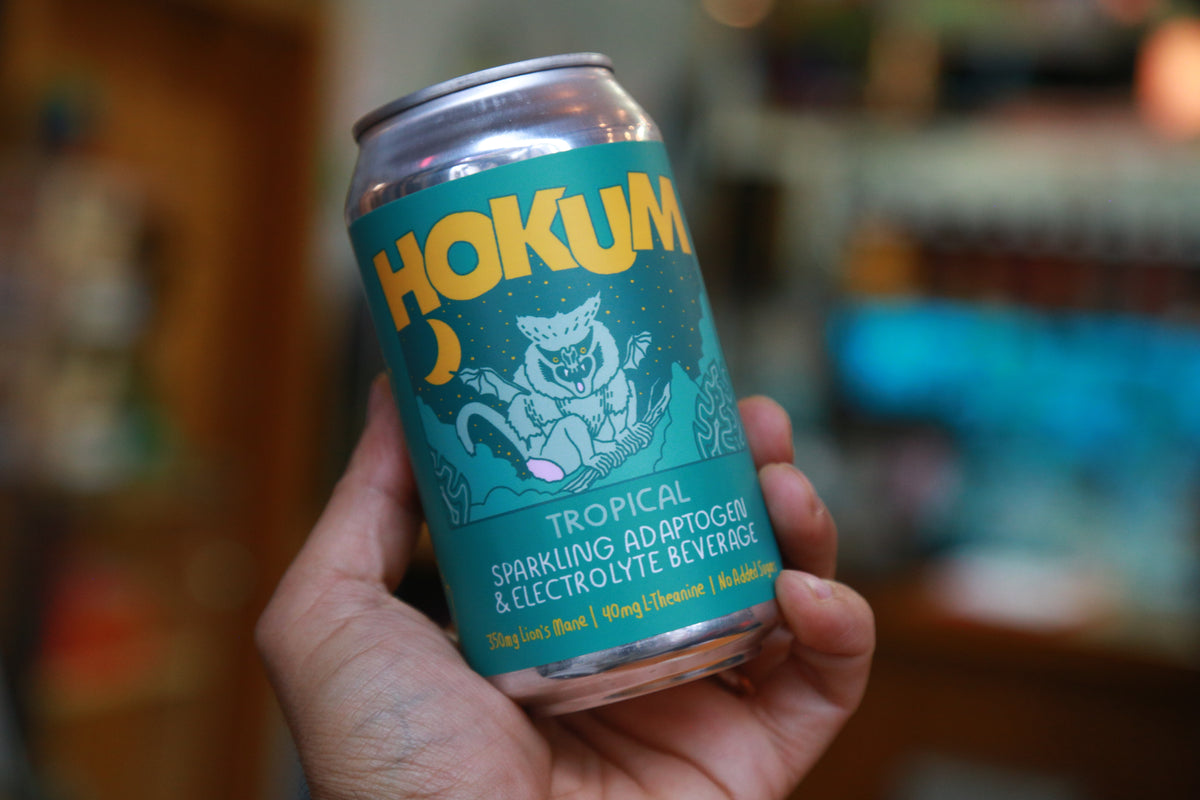
Where Drink Hokum fits into the modern exotic beverage category
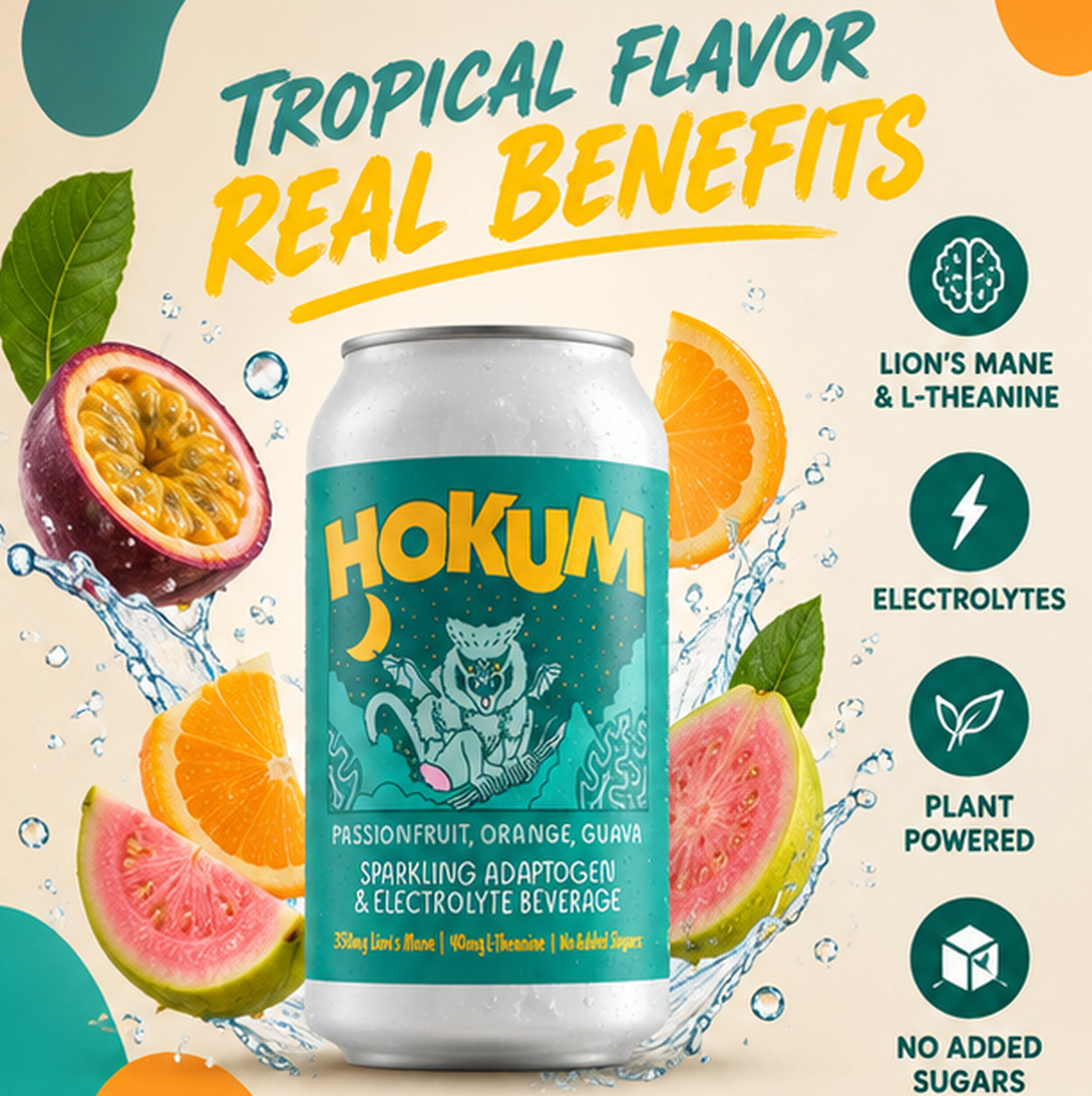
Drink Hokum takes a body and brain approach to functional beverages. Its lineup includes bold fruit combinations such as Strawberry Lemon, Blackberry Raspberry, Mango Tangerine and Passionfruit Orange Guava.
Passionfruit Orange Guava is particularly relevant for anyone looking to order exotic fruit beverage products with a tropical profile. The combination brings together bright orange with distinctive guava and passionfruit characteristics.
Drink Hokum's functional approach also reflects an important 2026 beverage trend. Modern functional drinks do not necessarily have to depend entirely on caffeine to differentiate themselves.
Consumers can instead look for a combination of flavour complexity, hydration support and clearly disclosed functional ingredients.
For shoppers who cannot decide on one flavour, a variety pack can also provide an easy way to explore different fruit combinations.
Common mistakes to avoid when buying tropical drinks
• Buying based only on packaging. Tropical imagery does not tell you what is actually inside the can.
• Ignoring serving size. Always compare nutrition information on an equivalent basis.
• Assuming fruit flavour means low sugar. Check added sugar and total sugar separately.
• Stacking caffeine unknowingly. Count caffeine from coffee, tea, supplements and functional beverages together.
• Assuming every electrolyte drink is necessary. Match electrolyte intake to your activity and dietary requirements.
• Ignoring flavour. A functional beverage only becomes an everyday beverage when you genuinely enjoy drinking it.
• Expecting one ingredient to transform your health. Functional beverages should complement good nutrition, sleep, hydration and exercise habits rather than replace them.

Conclusion
The best way to order exotic fruit beverage options is to think beyond flavour alone. Start with a taste profile you genuinely enjoy. Then evaluate sugar, caffeine, functional ingredients, electrolytes and ingredient transparency.
The functional beverage market in 2026 is becoming more sophisticated. Tropical flavours are moving year-round. Consumers are looking for drinks that fit work, workouts, travel and alcohol-free social occasions. At the same time, transparent formulations are becoming more important than vague claims.
Drink Hokum brings these ideas together through bold fruit combinations and functional formulations designed around modern everyday drinking. Explore options such as Passionfruit Orange Guava, Mango Tangerine, Blackberry Raspberry and Strawberry Lemon to find a flavour that fits your routine.
Ready to rethink your everyday drink? Explore Drink Hokum's functional fruit beverages or contact us to learn more about the range.
Frequently asked questions
What should I look for when I order exotic fruit beverage products?
Start with flavour and then check the Nutrition Facts and ingredient list. Look at added sugar, caffeine, serving size, functional ingredient quantities and electrolytes so you understand what you are drinking.
What is an exotic fruit drink?
An exotic fruit drink generally features tropical or less conventional fruit flavours such as passionfruit, guava or mango. Modern versions often combine several fruits to create more complex flavour profiles.
Can I drink a tropical fruit drink every day?
It depends on the formulation and your individual dietary needs. Check sugar, caffeine, sodium and other active ingredients before making any functional beverage part of your everyday routine.
Is a citrus tropical drink good for everyday drinking?
A citrus tropical drink can work well as an everyday option when its nutritional profile fits your diet. Citrus also brings acidity that can balance sweeter tropical flavours and create a cleaner finish.
Should I choose a caffeinated or caffeine-free exotic beverage?
Choose according to your total daily caffeine intake and when you plan to drink the beverage. The FDA states that 400 mg of caffeine per day is an amount not generally associated with negative effects for most healthy adults. Individual sensitivity varies.
Are electrolyte fruit drinks better than water?
Not automatically. Water can be sufficient for many everyday hydration situations. Electrolyte beverages may become more relevant during prolonged exercise, substantial sweating or other situations involving meaningful electrolyte loss.
How can I buy citrus fruit drink products with less sugar?
Read both total sugar and added sugar on the Nutrition Facts panel. Do not assume that words such as fruit, tropical or natural automatically mean a beverage contains little sugar.
What tropical fruit flavours work well together?
Passionfruit and guava create an aromatic tropical combination while mango pairs naturally with bright citrus such as tangerine. Orange can also work with passionfruit and guava to create a layered sweet and tart profile.
Why are exotic fruit beverages becoming popular in 2026?
Consumers increasingly want beverages that combine interesting flavours with hydration, wellness or functional benefits. Recent market research also points to growing interest in functional beverages, non-alcoholic options and unusual flavour combinations.
Where can I order exotic fruit beverages from Drink Hokum?
You can explore Drink Hokum's range online. Options include Passionfruit Orange Guava, Mango Tangerine, Blackberry Raspberry and Strawberry Lemon, along with variety options for consumers who want to try different flavour profiles.

Leave a comment
This site is protected by hCaptcha and the hCaptcha Privacy Policy and Terms of Service apply.