
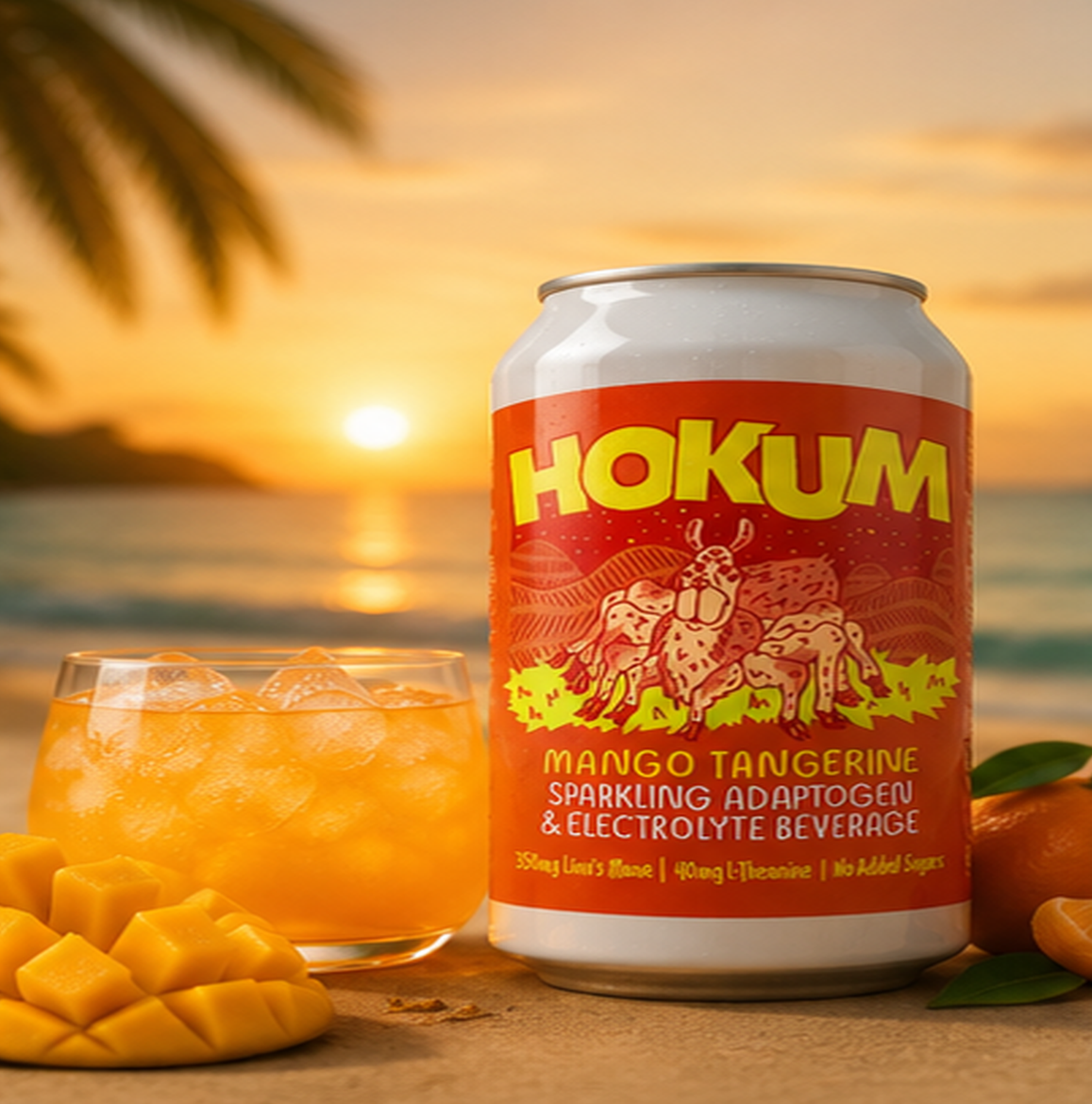
Mango energy drink demand is not a random flavor trend. It is a signal of what active consumers want in 2026: fast function, clean taste, and a format that fits training days and work days. In the US, energy drinks accounted for about 31 percent of total retail energy beverage volume in 2023 which shows how mainstream the category has become (NielsenIQ, 2024). Meanwhile, consumers are also cutting back on alcohol and sugar and asking for more functional benefits per sip. Mango sits right at that intersection because it reads as tropical, refreshing, and naturally sweet even when sugar is kept low.
In this guide you will learn why mango wins with active consumers, what science says about core ingredients, how 2026 trends are reshaping formulas and labels, and how to choose a mango fruit drink that actually supports performance instead of just tasting good.
Why mango hits the sweet spot for active consumers?
Active consumers do not buy flavor alone. They buy outcomes. Mango performs because it can carry intensity without tasting harsh which matters when a drink contains caffeine, electrolytes, acids, and botanicals. The aroma compounds in mango also help mask bitterness from caffeine and certain plant extracts. That makes it easier to build a “high function” profile without tasting medicinal.
There is also a behavioral layer. People associate mango with vacation energy, tropical hydration, and smoothie culture. That mental model reduces friction. If you are moving from soda to functional drinks or from pre workout to a ready to drink format, mango feels familiar and safe while still feeling elevated.
Palatability under training conditions
During and after training your taste perception shifts. Many people become more sensitive to bitterness and heavy sweetness. Mango can be formulated to taste “juicy” at lower sugar levels, especially when paired with citrus acids and a small amount of salt. That is one reason mango flavoured drinks show up in both energy and hydration lines.
The versatility advantage
Mango pairs cleanly with functional stacks. It works with caffeine plus L theanine for focus. It works with electrolytes for sweat support. It also works with ginger or turmeric for a “recovery” positioning. This is a practical formulation advantage because brands can create multiple SKUs that share a flavor identity but hit different use cases.
The functional stack: what matters more than the flavor
Flavor pulls a consumer in once. Function keeps them returning. For active consumers, the “core stack” usually includes caffeine for alertness, electrolytes for hydration support, and sometimes nootropics for focus. Evidence matters here because the market is crowded with under dosed blends and vague proprietary labels.
In performance research, caffeine remains the most reliable legal ergogenic aid. A major consensus position notes that caffeine can enhance performance across endurance, high intensity, and team sports and typical effective doses are around 3 to 6 mg per kg depending on tolerance and context (International Society of Sports Nutrition, 2021). That does not mean everyone should chase high caffeine. It means smart dosing and timing matter more than maximum milligrams.
Caffeine, timing, and the “clean energy” expectation
Active consumers increasingly want steady energy without jitters. That is why many mango energy drink formulas now sit in the 100 to 180 mg caffeine range per serving, rather than extreme doses. Pairing caffeine with L theanineis also common because it can smooth perceived stimulation for many users, especially in work plus workout lifestyles.
Electrolytes and osmolality: the hydration layer
Electrolytes are not just a marketing line. They matter when sweat rates are high, when training is longer, or when people are stacking caffeine with a lower carb diet. Sodium is the key electrolyte for fluid retention. Many modern mango drinks non alcoholic include sodium plus potassium and sometimes magnesium, though magnesium is often underdosed due to taste and stability constraints.
Carbs, sugar, and performance trade offs
Carbs can help performance during longer efforts, but sugar is a problem when consumers want daily energy without spikes. The World Health Organization recommends free sugars under 10 percent of total energy intake and suggests further benefits below 5 percent (WHO, 2015). In 2026, the winning mango energy drink products are typically either low sugar or sugar free, while still offering a “real fruit” taste signal via natural flavors and acids.

What the data says: purchase drivers behind mango flavored energy?
Active consumers behave like analysts. They scan labels fast. They compare caffeine, sugar, and calories in seconds. They also care about trust markers such as third party testing, transparent labeling, and recognizable ingredients.
Category data supports this shift. In the US, 16.7 percent of beverage alcohol volume was non alcohol in 2023 which highlights how quickly consumers are embracing alternatives for social and performance reasons (IWSR, 2024). That cultural move spills into mango drinks non alcoholic and functional energy because people want a “can in hand” ritual without alcohol.
Comparison table: what active consumers compare in store
|
Attribute |
Typical range in mango energy drinks |
Why active consumers care |
Smart target for most people |
|---|---|---|---|
|
Caffeine per serving |
80 to 300 mg |
Too low feels pointless. Too high increases jitter risk and sleep disruption. |
100 to 180 mg if training plus work days |
|
Sugar per serving |
0 to 30 g |
High sugar can cause crashes and adds daily calories fast. |
0 to 8 g for daily use |
|
Sodium |
50 to 400 mg |
Supports hydration and may reduce perceived fatigue in heat. |
150 to 300 mg for sweaty sessions |
|
Added nootropics |
None to multi ingredient blends |
Focus support is a major reason consumers choose functional beverages. |
Prioritize evidence based doses and transparent labels |
|
Acidity and flavor intensity |
Low to high |
Too acidic can cause stomach discomfort during training. |
Moderate acidity. Test on easy sessions first |
Convenience beats powders for many consumers
Ready to drink is winning because it removes friction. No shaker. No measuring. No cleanup. That matters for commuters, gym goers, and people who use energy drinks as both a pre workout and a focus tool. Mango as a flavor amplifies that convenience because it tastes like a treat while still presenting as functional.
The sensory science: why mango tastes “energizing”
Some flavors feel “fast”. Mango is one of them. It is bright, aromatic, and it reads as naturally sweet. That allows brands to reduce sugar while preserving a satisfying sensory hit. For active consumers, that means a drink that feels rewarding without feeling heavy.
Aroma masking and bitterness control
Caffeine and certain adaptogens can be bitter. Mango flavor systems are often built with tropical top notes plus citrus acidity. This structure helps disguise bitterness and keeps the finish clean. It is one reason mango flavoured drinks are common in high caffeine categories where taste is the biggest barrier to repeat purchase.
Cold chain effect and “post workout drinkability”
Many consumers drink energy beverages ice cold. Mango holds up well at low temperatures because its perceived sweetness and aroma remain strong. That makes it highly “drinkable” post workout when people want refreshment, not syrup.

What is changing in 2026: trends reshaping mango energy drink formulas?
In 2026, the market is moving toward precision function. Consumers expect specific outcomes such as focus for study, clean energy for training, or hydration for heat exposure. They also want fewer questionable ingredients. This is not niche anymore. It is mainstream behavior driven by label literacy and social content that teaches people what to look for.
Trend 1: sugar down, taste up
New sweetener systems are making sugar reduction easier. Expect more blends that use stevia and monk fruit with improved masking, plus fiber like allulose in regions where it is broadly adopted. The goal is a mango fruit drink experience with low sugar and no weird aftertaste.
Trend 2: “hydration energy” hybrids
Consumers increasingly want one can that covers both stimulation and hydration. That is pushing mango energy drink products to include meaningful sodium and potassium. These hybrids compete with traditional pre workout for casual training days and with coffee for productivity.
Trend 3: transparent sourcing and testing
Trust is a performance feature now. Brands are using QR codes for certificates of analysis and publishing caffeine content clearly on the front of pack. This is aligned with the broader clean label movement where consumers avoid vague “proprietary blends”.
Trend 4: non alcoholic social energy
Non alcohol occasions are expanding in social settings. With non alcohol already a meaningful portion of beverage alcohol volume, the “functional can” is becoming the new default for concerts, gaming nights, and late meetups (IWSR, 2024). Mango drinks non alcoholic fit perfectly because the flavor feels festive while the function feels practical.
Expert analysis: why mango keeps winning versus other flavors
In sensory testing across functional beverages, “repeat purchase” tends to cluster around flavors that feel refreshing, not sticky. Mango is uniquely positioned because it can be bright like citrus, round like stone fruit, and tropical like pineapple without becoming harsh. It also feels premium. That matters in 2026 because consumers are trading up, buying fewer drinks but expecting better function.
From a formulation standpoint, mango is an efficient platform flavor. Brands can build line extensions like mango plus yuzu for focus, mango plus coconut for hydration, or mango plus ginger for recovery. From a consumer standpoint, it signals energy without screaming “stimulant”. That makes it easier to drink in more contexts including work, school, and social settings.
The regulatory and health perception backdrop
Consumers are also more aware of health guidance around caffeine and sugar. For adults, the US FDA notes up to 400 mg caffeine per day is not generally associated with negative effects for most healthy adults (FDA, 2018). That does not mean it is optimal, especially if you are sleep sensitive. It does mean mango energy drink products that clearly state caffeine content and support moderate intake tend to earn more trust.
Conclusion
Mango is popular because it solves multiple problems at once. It tastes like a reward, it carries functional stacks without bitterness, and it fits the modern non alcohol lifestyle. In 2026, active consumers are not chasing hype. They are building repeatable routines.
If you want a mango energy drink that is engineered for focus, training, and modern non alcohol occasions, build your selection around caffeine timing, sugar discipline, and hydration needs. Then test your choice on normal days so it is dialed in when performance matters.
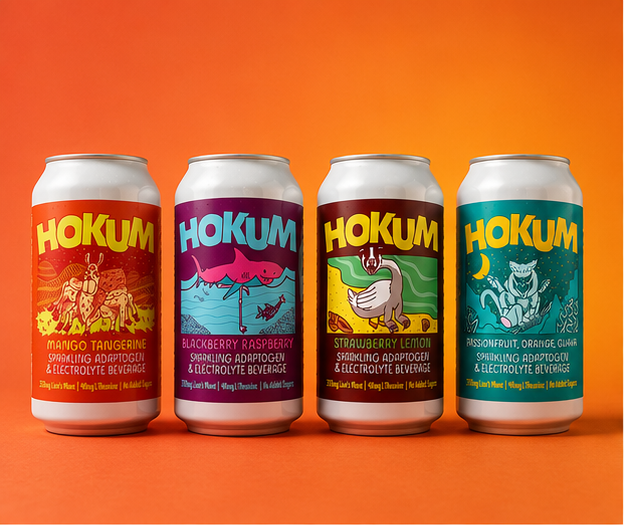
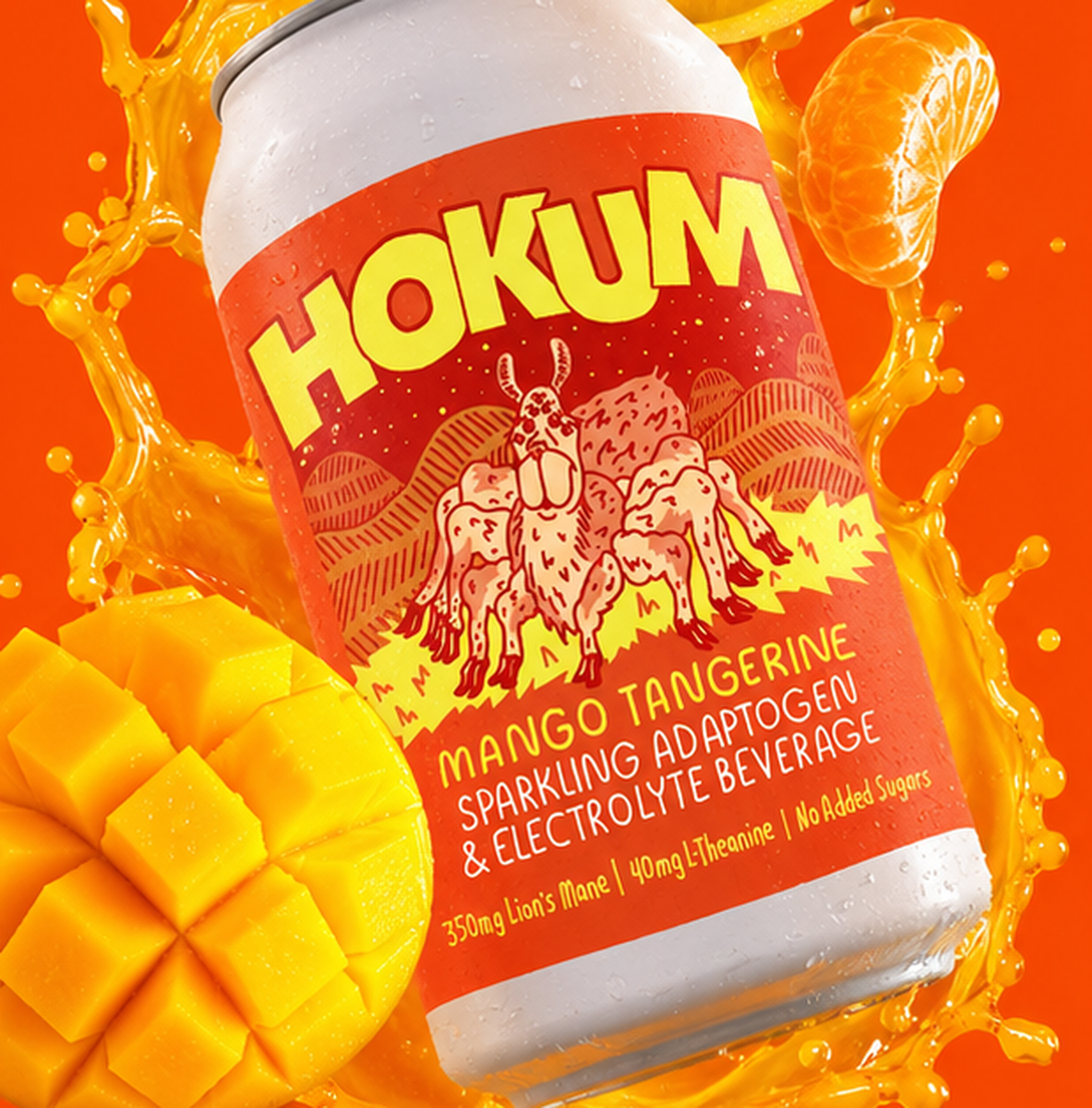
Drink Hokum builds bold functional beverages for the next generation of performers. Contact us to talk formulations, partnerships, or where to find our latest drops.
Frequently asked questions
What makes a mango energy drink different from a mango fruit drink?
A mango energy drink typically includes caffeine and often other functional ingredients like electrolytes or nootropics. A mango fruit drink is usually flavor and hydration focused and may contain juice or juice concentrates without stimulants. Always check the caffeine line and nutrition panel because marketing terms can overlap.
Why are mango flavoured drinks so common in performance beverages?
Mango masks bitterness from caffeine and botanicals while still tasting naturally sweet at low sugar levels. It also feels refreshing when served cold which fits pre workout and post workout use. That combination improves repeat purchase which is the real performance metric for beverage brands.
Are mango drinks non alcoholic a good alternative to alcohol for social events?
Yes, especially if you want a can in hand ritual without alcohol. Choose lower sugar options to avoid feeling heavy, and watch caffeine if the event runs late. This aligns with the broader shift toward non alcohol occasions seen in recent market data (IWSR, 2024).
How much caffeine should I look for in a mango energy drink?
Most active consumers do well with 100 to 180 mg for training or focus. If you are caffeine sensitive start at 80 to 120 mg. Keep total daily intake in mind and consider the FDA reference of up to 400 mg per day for most healthy adults (FDA, 2018).
When should I drink a mango energy drink before a workout?
Most people take caffeine 20 to 45 minutes before training to align with rising blood levels. If you are prone to jitters, split the dose by sipping over 20 minutes. Avoid late day use if it disrupts sleep.
Can I use a mango energy drink during endurance workouts?
You can, but check sugar and acidity. For long sessions, some carbs can help, but many people prefer low sugar plus electrolytes to reduce GI risk. Test it during training, not on event day.
Should I choose sugar free or regular mango energy drink?
If you drink energy beverages frequently, sugar free or low sugar is usually the better daily choice. This helps stay aligned with public health guidance to limit free sugar intake (WHO, 2015). If you need carbs for long endurance efforts, a moderate sugar option can be useful in that specific context.
What ingredients should I avoid in mango energy drinks?
Avoid products that hide doses behind proprietary blends, especially for stimulants. Be cautious with very high caffeine per serving if you also drink coffee or use pre workout. If you have a sensitive stomach, be cautious with very high acidity formulas.
Do mango energy drinks help with focus or just energy?
They can help with both, depending on the formula. Caffeine supports alertness and performance, and some drinks add L theanine or other nootropics for a smoother focus profile. The key is transparent dosing and realistic expectations.
How do I pick the best mango energy drink for daily use in 2026?
Prioritize moderate caffeine, low sugar, and clear labeling. If you train often, look for meaningful sodium and a flavor profile that is not overly acidic. In 2026, the best products also provide transparency such as QR linked testing and straightforward ingredient lists.

Leave a comment
This site is protected by hCaptcha and the hCaptcha Privacy Policy and Terms of Service apply.