
Non alcoholic beverages are no longer “just soda alternatives”. They are performance tools. The global non alcoholic drinks market is projected to reach about $1.7 trillion by 2028(Statista, 2024), and the fastest-growing slices are functional, premium, and flavor-forward. That is exactly where the mango tangerine drink wins: it hits nostalgia and escapism, but it also delivers the modern demand for clean label, low sugar, hydration, and stackable function.
In this 2026 guide, you will learn why mango plus tangerine is a high-performing citrus fruit blend, how it fits into today’s tropical drinks culture, what brands are doing differently right now, and how to build your own mango tangerine drink as a summer beverage, a drink enhancer mixer, or a beverage mixing base. You will also get practical formulas, pitfalls to avoid, and a data-backed view of what makes this flavor combo stick.
Why mango + tangerine is a “sticky” flavor combo?
Mango brings round, tropical sweetness and aroma compounds that read as “juicy” even at lower sugar levels. Tangerine adds sharpness, lift, and a fragrant citrus top note that helps prevent mango from tasting heavy or flat. From a sensory perspective, this pairing creates contrast(sweet vs. bright) and layering (mid-palate body plus high-note aroma), which is exactly what consumers interpret as “premium” flavor.
The sensory science behind craveability
Flavor scientists often talk about balance across sweet, sour, bitter, and aromatic intensity. Citrus is a workhorse because acidity boosts perceived freshness. Mango is a workhorse because it boosts perceived sweetness and body, meaning you can often reduce added sugar without losing satisfaction.
That matters in 2026 because sugar reduction is not a niche preference anymore. In the US, the FDA’s updated Nutrition Facts label (implemented in 2020) made added sugars more visible and behavior-shaping, and consumers continue to avoid high-sugar beverages as a default choice (FDA, 2020).
Why it maps perfectly to “tropical drinks” expectations?
Consumers expect tropical drinks to feel like a mini-vacation, but they also expect them to be “better-for-you” now. Mango signals “tropical escape”, while tangerine signals “fresh and clean”. Together they deliver a strong “summer beverages” identity without the syrupy vibe associated with older fruit punches.
How the mango tangerine drink rode the 2020 to 2026 non alcoholic wave?
The rise of the mango tangerine drink is not random. It is the result of three big demand shifts that accelerated through 2026: the non alcoholic social scene, functional hydration, and ingredient transparency.
Trend 1: the non alcoholic “third place” is mainstream
Non alcoholic beer and spirit alternatives created a new default: people want adult rituals without alcohol. That cultural shift lifts all premium non alcoholic beverages, including exotic fruit drinks that feel crafted, not kiddie.
Non alcoholic beer alone hit about $1.9 billion in US sales in 2024 with strong double-digit growth (NIQ, 2024). That halo effect expands shelf space and consumer willingness to pay for elevated flavor experiences.
Trend 2: hydration as performance
Hydration is being rebranded as a daily performance lever, not just a sports moment. The global sports drink market was estimated at $29.2 billion in 2022and projected to grow at about 4.6% CAGR through 2030 (Grand View Research, 2023). Mango tangerine slots into this because it pairs naturally with electrolytes, coconut water, and low-calorie functional systems.
Trend 3: “clean label” pressure and the fall of neon flavor
Consumers now scan for recognizable ingredients, lower sugar, and fewer artificial colors. Mango and tangerine are understood instantly, which reduces perceived risk and increases trial. It is a simple psychological advantage in a crowded cooler.
What’s happening in 2026: product design choices that separate winners?
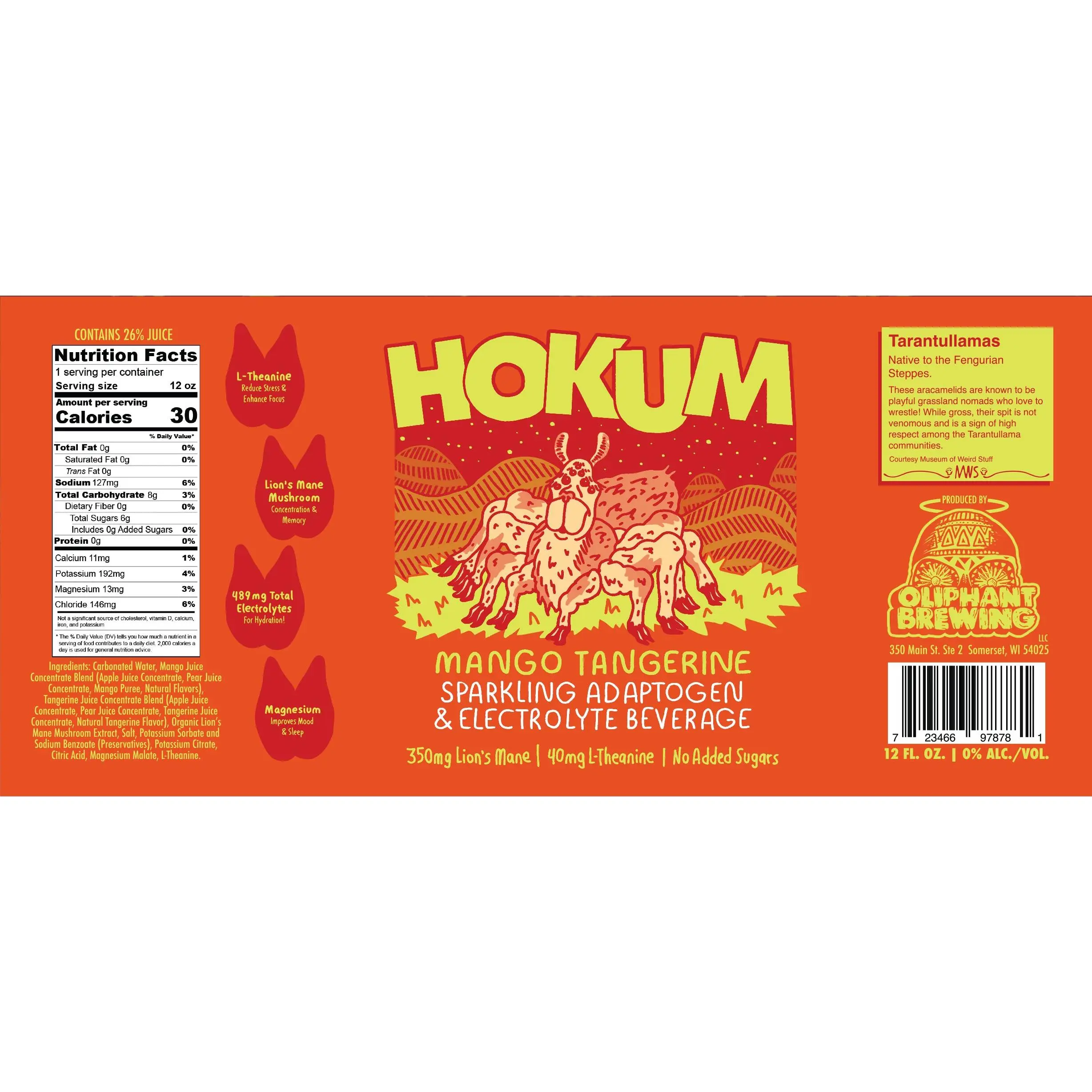
As of May 2026, brands are making mango tangerine drinks more modular and more functional. The flavor is no longer just a “juice-like” product. It is becoming a platform: sparkling, still, zero sugar, prebiotic, caffeinated, adaptogenic, and even protein-adjacent.
Regulatory and claims reality check (important in 2026)
Functional beverage brands are under tighter scrutiny for implied health claims. In the US, structure-function claims must be truthful and not misleading, and disease claims trigger drug-like risk (FTC, ongoing enforcement; FDA framework). The practical move in 2026 is to focus on benefit language tied to ingredients (for example “supports hydration with electrolytes”) and avoid medical outcomes unless you have clinical substantiation.

Data-backed comparison: why mango tangerine beats many other citrus fruit blends
Mango tangerine consistently tests well because it balances sweetness perception, acidity, and aroma in a way that works across multiple formats. It can go still, sparkling, or as a concentrated drink enhancer mixer without collapsing.
|
Blend |
What it does best |
Common downside |
Best format fit (2026) |
|---|---|---|---|
|
Mango + tangerine |
Sweet body + bright top note, reads “premium tropical” |
Can feel heavy if acidity is too low |
Still, sparkling, drink enhancer mixer, beverage mixing base |
|
Pineapple + lemon |
High refreshment, sharp brightness |
Can skew harsh or “cleaner-like” if over-acidified |
Sparkling, hydration drinks |
|
Orange + passionfruit |
Strong aroma, exotic perception |
Passionfruit can dominate and polarize |
Premium craft sodas, mocktails |
|
Guava + lime |
Trendy and distinctive, great for mocktails |
Guava can read “perfume” if flavor load is high |
Mocktail bases, sparkling |
Flavor also shapes perceived sweetness. This is why mango tangerine can perform in reduced-sugar builds. In controlled sensory work, aroma can significantly influence sweetness perception, letting formulators reduce sugar while maintaining sweetness acceptance (Spence, 2015).
How to build a mango tangerine drink that tastes elite (practical formulas)?
If you want a mango tangerine drink that competes with modern tropical drinks, you need to design it like a product, not a recipe. The fastest path is to pick a “job”: hydration, focus, refreshment, or mocktail theater. Then tune sweetness, acidity, and texture to match.
Quick “at-home” base (still, low sugar)
Pro move: blend, then chill for 20 minutes. Cold temperature tightens sweetness and makes citrus feel cleaner.
Functional “focus” build (non alcoholic, nootropic-leaning)
If you want a performance-oriented mango tangerine drink, keep it light and crisp. Heavy sweetness fights “focus” positioning.
Evidence note: A controlled trial found caffeine combined with L-theanine improved speed and accuracy of attention-switching and reduced susceptibility to distraction versus placebo (Haskell et al., 2008).
Make it a drink enhancer mixer or beverage mixing base
Concentrates are exploding in 2026 because they are portable and customizable. If you are building a drink enhancer mixer at home, aim for a 4x to 6x concentrate so 1 to 2 tablespoons can flavor a full glass.
Common mistakes to avoid (and how brands solve them)
Mango tangerine sounds foolproof, but most disappointing versions fail for predictable reasons. Fixing these is the difference between “okay” and “I need this again”.
Mistake 1: relying on sweetness instead of aroma
Over-sweetening makes mango feel thick and tangerine feel muted. Better: keep sugar lower and boost aroma via zest, high-quality natural flavors, or a tiny hit of vanilla to round edges.
Mistake 2: acidity is either too weak or too sharp
Too little acid tastes dull. Too much citric acid tastes scratchy. Best practice is an acid blend: citric for immediate brightness and malic for a longer “juicy” finish.
Mistake 3: ignoring salt and minerals
A micro-dose of salt makes fruit taste more “real” and less candy-like. In hydration builds, sodium also improves palatability and supports fluid retention cues, which is why electrolyte drinks keep winning shelf space.
Mistake 4: bitterness and pith notes in citrus
Over-squeezing tangerines extracts pith bitterness. Use gentle pressing and strain. If bitterness still shows up, add a small amount of sweetener or shift the citrus fraction toward juice plus aromatic zest rather than more volume.
Mistake 5: building one version for everyone
In 2026, personalization is the expectation. Offer “still”, “sparkling”, and “concentrate” options, or at least design your recipe to be modular with add-ins like caffeine, electrolytes, or prebiotic fiber.
![]() Real-world use cases: where mango tangerine wins in daily life
Real-world use cases: where mango tangerine wins in daily life
This flavor is a chameleon. It works as an everyday refreshment and as a functional tool, which is why it keeps climbing in non alcoholic beverages.
Use case 1: the 2 pm crash replacement
Swap a second coffee for a lightly caffeinated mango tangerine drink. Keep caffeine under 120 mg and add L-theanine for smoother energy. Consumers are increasingly choosing beverages as “controlled stimulation” rather than pure intensity.
Use case 2: gym hydration without “sports drink vibes”
Electrolyte hydration often suffers from salty, artificial flavor. Mango provides body that masks minerals, while tangerine lifts the finish so the drink stays crisp. This is one reason citrus fruit blends dominate hydration flavor systems.
Use case 3: mocktail theater without alcohol
Use the mango tangerine base with sparkling water, crushed ice, and a pinch of chili or ginger. The result tastes complex without needing spirits. This aligns with the ongoing “zebra striping” behavior where people alternate alcoholic and non alcoholic drinks in social settings.
Buying guide for 2026: how to choose a great mango tangerine drink
If you are shopping ready-to-drink options, read the label like a product developer. The goal is to find a formula that matches your use case and avoids the most common shortcuts.
Label signals that usually mean “better”
Red flags
Market context: Consumers increasingly reward brands that are transparent. In a global survey, 62% said they trust a brand more when it is transparent (NielsenIQ, 2022). For beverages, that translates to clear ingredient choices and honest functional positioning.
Conclusion
The mango tangerine drink became a tropical favorite because it does what modern non alcoholic beverages must do in 2026: taste incredible, feel premium, and adapt to function-forward lifestyles.
If you want a mango tangerine drink that hits harder than typical summer beverages, build it like a system: choose the job (refresh, hydration, focus), tune acid and aroma, then modularize it as a drink enhancer mixer or beverage mixing base.
Want Drink Hokum to help you prototype a mango tangerine functional build that is clean-label, performance-driven, and retail-ready for 2026? Contact us to start a formulation sprint.
Frequently Asked Questions
What is a mango tangerine drink?
A mango tangerine drink is a non alcoholic beverage that blends mango’s sweet tropical body with tangerine’s bright citrus aroma and acidity. It can be still, sparkling, or concentrated as a drink enhancer mixer. In 2026, it is also commonly used as a functional platform for electrolytes or “clean energy” caffeine.
Why is mango tangerine such a popular tropical drink flavor?
It tastes “vacation-level” without being overly sweet when formulated correctly. Mango contributes richness and perceived sweetness, while tangerine keeps the finish fresh and crisp. That balance helps it outperform many exotic fruit drinks that can become perfumey or one-note.
How do I make a mango tangerine drink less sweet but still flavorful?
Increase aroma and acidity rather than adding sugar. Use tangerine zest, a squeeze of lime, and consider a tiny pinch of malic acid for a longer juicy finish. Keeping a micro-dose of salt also makes fruit taste sweeter without extra sweetener.
Can I use mango tangerine as a beverage mixing base for mocktails?
Yes, it is one of the most versatile beverage mixing base options because it pairs well with ginger, mint, chili, and sparkling water. Build a stronger concentrate, then dilute to taste for consistent results. For a “bar” feel, use crushed ice and garnish with expressed citrus peel.
What is the best drink enhancer mixer ratio for mango tangerine concentrate?
A practical starting point is a 4x to 6x concentrate where 1 to 2 tablespoons flavors an 8 to 12 oz glass. The exact ratio depends on fruit sweetness and whether you use sparkling water. Taste it chilled, since cold suppresses sweetness and changes perceived acidity.
Is mango tangerine good for hydration?
It can be excellent for hydration when paired with electrolytes, because mango helps mask mineral notes and tangerine keeps the finish bright. For everyday hydration, keep sugar moderate and include sodium and potassium in sensible amounts. If you sweat heavily, you may need higher sodium than a casual “hydration” drink provides.
Can I add caffeine to a mango tangerine drink for focus?
Yes, and it is a common 2026 functional upgrade. Keep caffeine transparent and controlled, often 80 to 120 mg per serving for a balanced “clean energy” feel, and consider pairing with L-theanine for smoother stimulation. Avoid stacking too many stimulants, especially if you are sensitive to caffeine.
When should I choose sparkling vs. still mango tangerine?
Choose sparkling when you want maximum refreshment and a “soda replacement” vibe. Choose still when you want a smoother texture, more fruit-forward body, or you are using it as a base for functional ingredients like electrolytes. Soft carbonation is often the best compromise because it preserves citrus aroma.
What are the most common mistakes when making citrus fruit blends at home?
The biggest mistakes are over-sweetening, under-acidifying, and extracting bitterness from citrus pith. Use gentle squeezing, strain your juice, and adjust acidity in small steps. Also, do not skip salt, it is a flavor amplifier, not just a “savory” ingredient.
Should I refrigerate homemade mango tangerine drinks?
Yes. Fresh juice and puree are perishable, and refrigeration protects flavor and safety. If you make a concentrate, store it cold and use it within 5 to 7 days, or freeze in ice cube trays for longer storage.

Leave a comment
This site is protected by hCaptcha and the hCaptcha Privacy Policy and Terms of Service apply.