
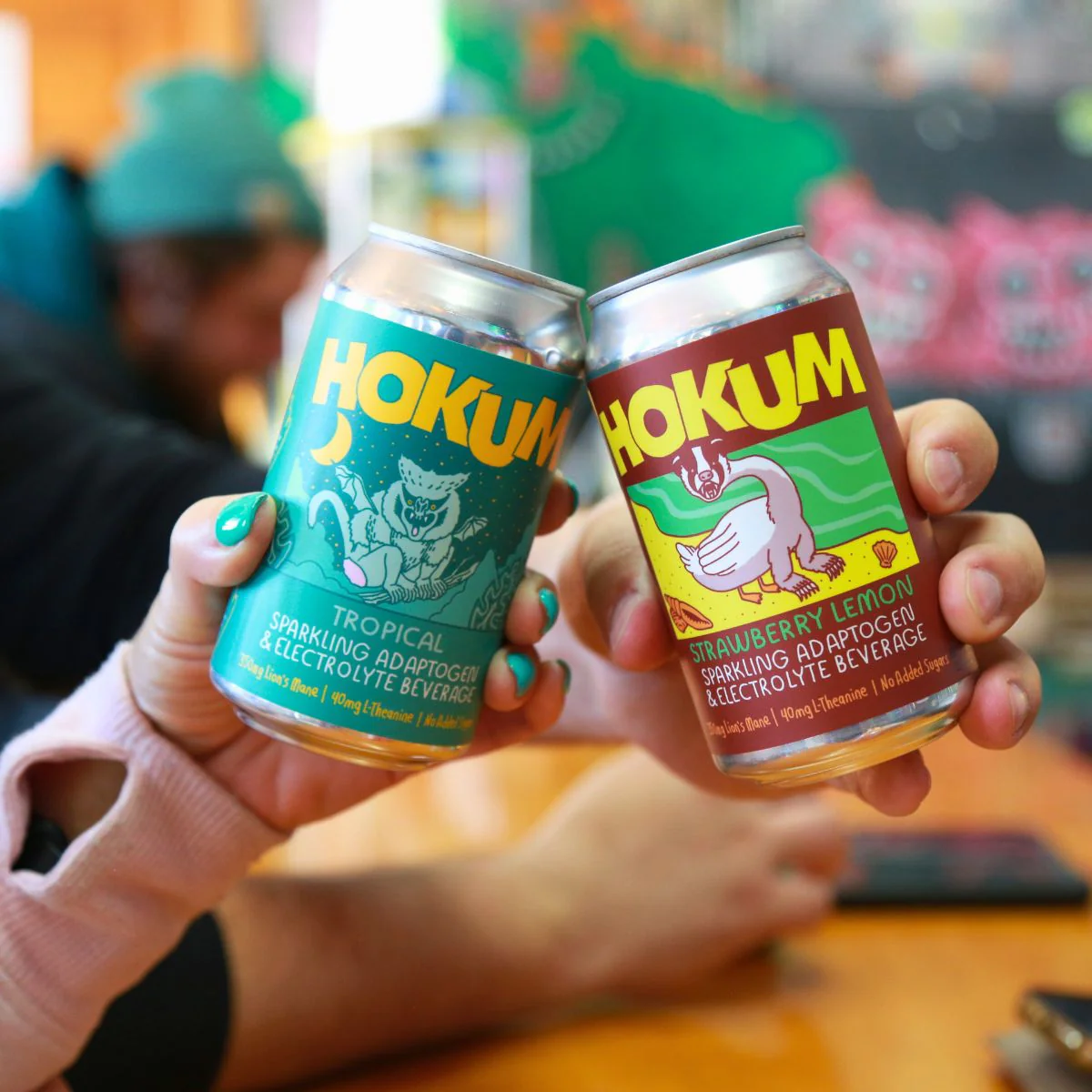
Non alcoholic beverages are exploding in 2026, but “better than soda” is not the same as “healthy.” The average American still consumes ~17 teaspoons of added sugar per day(American Heart Association, 2023), and sugar-sweetened beverages remain one of the biggest single sources. At the same time, shoppers are flooding aisles for sugar free beverages, clean label drinks, and “functional” claims like focus, calm, gut support, and functional hydration.
This guide breaks down what’s actually healthier, what’s just smart marketing, and how to choose hydration drinks, wellness drinks, and low calorie drinks that support real outcomes. You will learn how to read labels like a pro, which sweeteners and acids matter, what 2026 regulations and trends are shifting, and how to build a drink stack that fits your goals without wrecking your metabolism or teeth.

What counts as “non alcoholic beverages” in 2026 (and why the category is confusing)
In consumer language, non alcoholic beverages often means anything from sparkling water to “zero-proof spirits” to energy and nootropic drinks. Nutritionally, that is a massive range. A sugar-heavy “mocktail” can be metabolically similar to soda, while an electrolyte seltzer can be closer to water.
The main subcategories you will see on shelves
Key point:“Non alcoholic” is about ethanol, not sugar load, acid load, stimulant dose, or additive profile. Health impact comes down to the formula and your use case.
Baseline reality: why traditional sugary soft drinks are a health problem
Traditional soda is a predictable package: added sugar (or HFCS), acid, flavoring, and sometimes caffeine. The health concerns are not theoretical. High intakes of added sugar are associated with higher risk of cardiometabolic disease, and sugar-sweetened beverages are a major driver because they are easy to overconsume.
It is not just sugar: acids, teeth, and appetite signaling
Most sodas are acidic (often phosphoric or citric acid). That matters for dental enamel, especially when exposure is frequent. Also, liquid calories do not trigger satiety like solid foods, so it is easy to drink 150 to 250 calories without eating less later.
Bottom line: If you replace sugary soft drinks with genuinely low sugar non alcoholic beverages, you usually improve your nutritional baseline. But “usually” is not “always.”
Are non alcoholic beverages healthier? A practical comparison that actually helps
“Healthier” depends on what you are comparing. A zero sugar sparkling water is healthier than a 40 gram sugar soda for most people. A high-caffeine, high-acid, ultra-sweetened “zero” energy drink may be a mixed tradeoff. Use the comparison below as a fast decision tool.
|
Drink type |
Typical calories and sugar |
Main upsides |
Common watchouts |
|---|---|---|---|
|
Traditional sugary soft drink (12 oz) |
~140 to 170 kcal, ~35 to 45 g added sugar |
Quick energy, familiar taste |
High sugar load, low satiety, dental erosion, habit forming |
|
Diet soda / “zero sugar” soda |
0 to 10 kcal, 0 g sugar |
Big sugar reduction, easy swap |
Sweetness conditioning, acid exposure, individual GI sensitivity to sweeteners |
|
Flavored sparkling water |
0 kcal, 0 g sugar |
Hydration-friendly default, low risk |
Some are still acidic, check “natural flavors” if sensitive |
|
Hydration drinks (electrolyte) |
0 to 80 kcal, 0 to 20 g sugar |
Supports sweat loss replacement, training, heat exposure |
Unneeded sodium for sedentary use, “sports drink” halo |
|
Functional / wellness drinks |
10 to 120 kcal, 0 to 25 g sugar |
Targeted benefits (focus, calm, gut) |
Underdosed actives, stacked stimulants, proprietary blends |
Pro heuristic: If a can is “non alcoholic” but still delivers 20 to 30 grams of added sugar, you did not really escape the soda problem. You just changed the branding.

Ingredient-level truth: what to look for in sugar free beverages and clean label drinks
In 2026, ingredient literacy is the new fitness literacy. People are moving from “zero sugar” to “zero regrets,” meaning fewer side effects, fewer cravings, and better alignment with performance goals.
Acids and carbonation: the dental angle most people ignore
Even with zero sugar, frequent sipping of acidic drinks can challenge enamel. If you are drinking sparkling waters or “zero” sodas all day, use a simple rule: drink it with mealsor finish it within a shorter window, and follow with plain water.
Colors, preservatives, and “natural flavors”
“Clean label” is not a regulated nutrition term. It usually means fewer artificial colors and shorter labels, not automatically “healthy.” Look for transparency: disclosed dosages, no proprietary blends, and clear caffeine totals.
Hydration drinks and functional hydration: when they are truly better (and when they are not)
Hydration drinks can be objectively useful. During intense exercise, heat exposure, or heavy sweating, electrolytes and fluids can support performance and safety. But for a desk day, many “sports” formulas are unnecessary calories and sodium.
How to pick hydration drinks by scenario (fast)
Actionable label check: if a “hydration” drink has 5 to 10 mg sodium, it is basically flavored water. Real electrolyte support is typically meaningfully higher.
2026 trends and changes shaping the market right now (May 2026)
In 2026, the non-alc boom is maturing. The early wave was about novelty and vibe. The current wave is about measurable function, fewer ingredients, and trust signals.
Trend 1: “Functional swap” replacing soda, not alcohol
Consumers are using non alcoholic beverages as daily drivers: mid-day focus, post-gym recovery, and evening wind-down. This pushes brands to lower sugar while keeping taste and mouthfeel.
Trend 2: Clean label drinks with clinical-style transparency
Shoppers increasingly demand disclosed dosages, especially for caffeine, L-theanine, magnesium forms, and nootropics. Brands that hide behind “proprietary blends” are losing trust. This mirrors supplement-industry best practices moving into beverages.
Trend 3: GLP-1 era consumption patterns
With GLP-1 medications still influencing appetite and intake patterns, many consumers seek smaller formats, low calorie drinks, and less sweetness. This has accelerated demand for lighter flavor profiles and lower carbonation intensity.
Trend 4: Premiumization plus value packs
Inflation fatigue has not disappeared. In 2026, shoppers alternate between premium functional cans and cost-effective multi-packs. Brands win by offering a clear “why” per SKU and a predictable effect profile.
Reality check: Trend does not equal health. Your job is to match the product to a physiological need, not a marketing narrative.

Common mistakes to avoid (and pro tips that actually work)
Most people fail not because they choose the “wrong” drink once, but because they build a daily pattern that quietly breaks their goals. These are the biggest pitfalls we see in the real world.
Mistake 1: Replacing soda with a high-stimulant wellness drink
If you quit cola but start drinking two 200 mg caffeine “focus” cans daily, you can trade sugar problems for sleep disruption. Poor sleep can worsen appetite regulation and training recovery.
Mistake 2: Assuming “zero sugar” means “drink unlimited”
Some people respond to intense sweetness with stronger cravings later. If that is you, rotate in less sweet clean label drinks like unsweetened teas, mineral waters, and lightly flavored hydration drinks.
Mistake 3: Ignoring acidity and sipping all day
Even without sugar, constant acid exposure can harm teeth. Batch your consumption: finish the drink, rinse with water, and avoid brushing immediately after very acidic drinks.
Conclusion
Non-alc is not a free pass. It is a design space. If you choose well, non alcoholic beverages can be significantly healthier than traditional sugary soft drinks, especially for sugar reduction and better daily hydration habits.
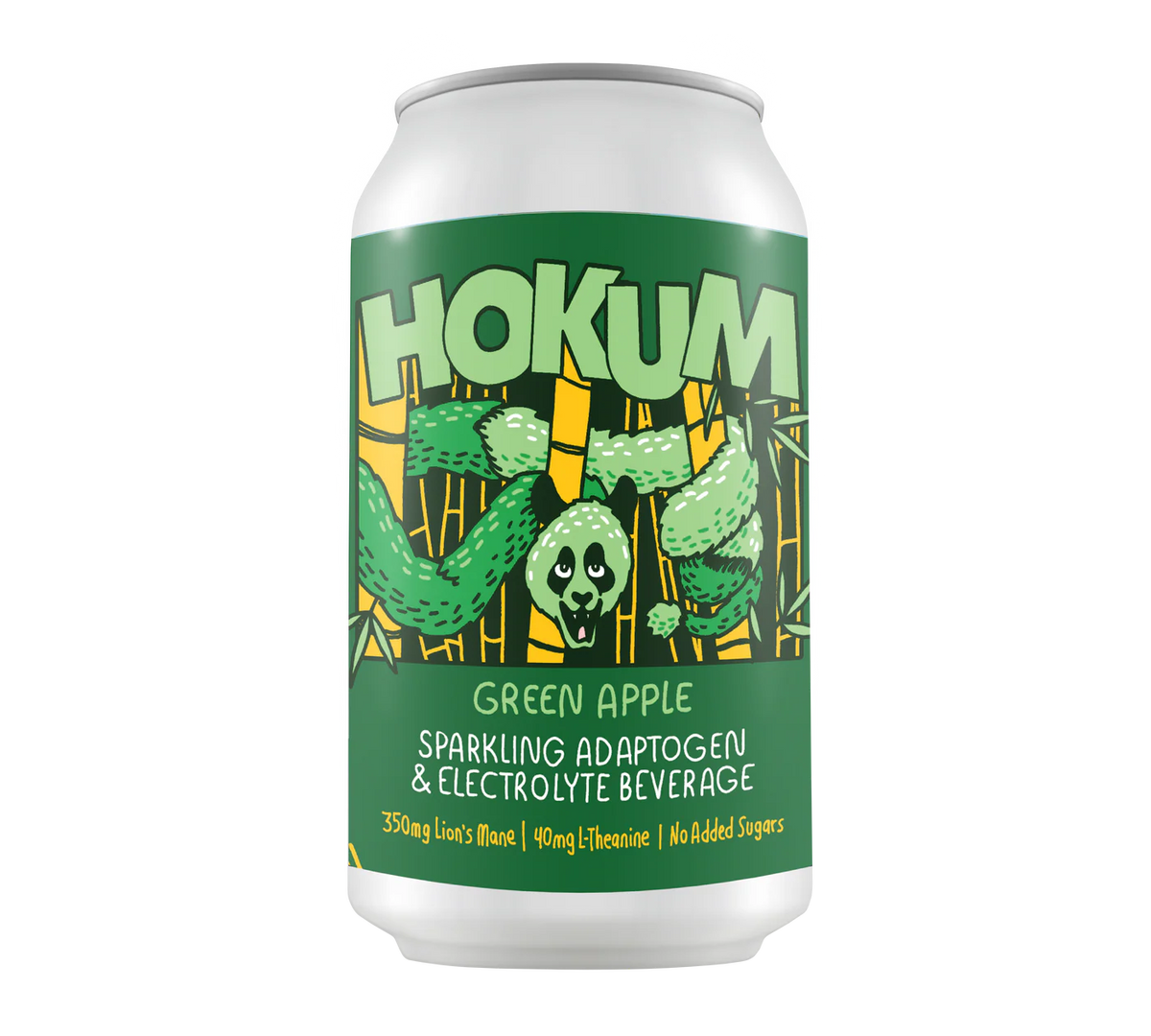
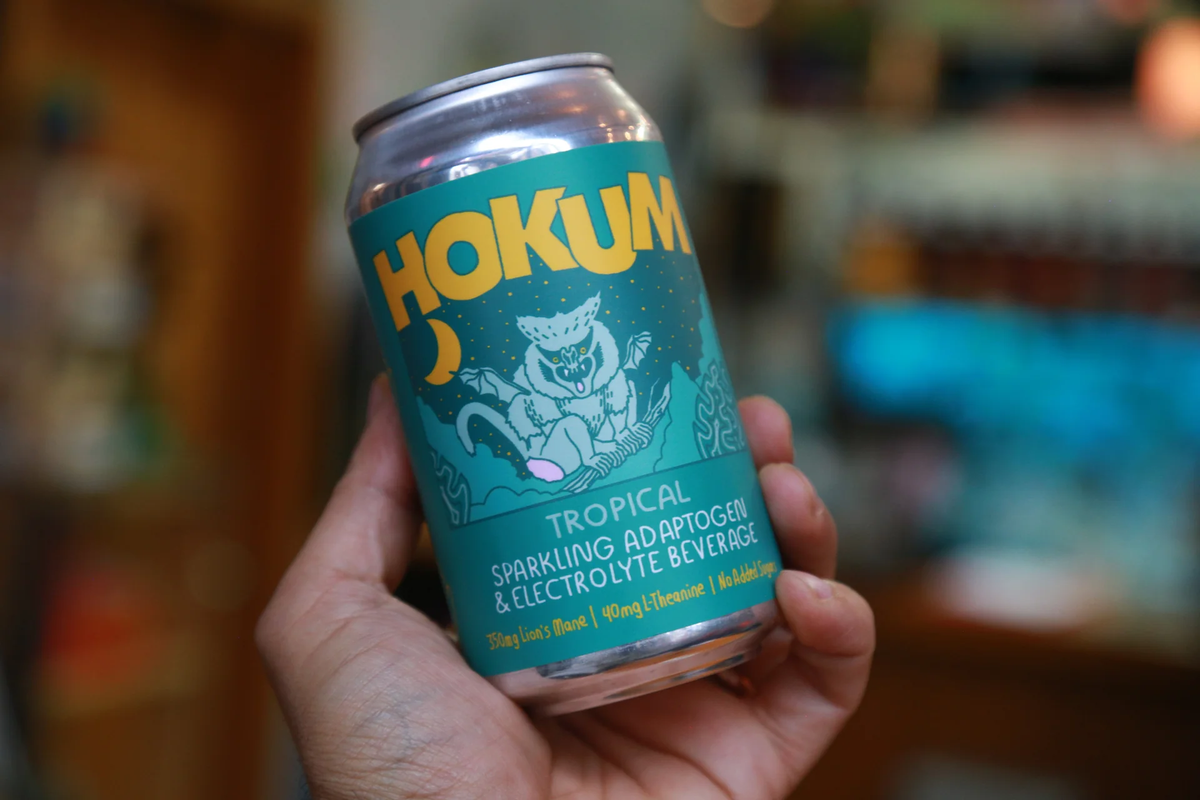
Want a next-level swap that feels futuristic but performs in real life? Explore how Drink Hokum approaches functional hydration and modern nootropic design with transparent labeling and performance-first formulation.
Contact us if you want help choosing the right functional drink stack for your goals, reach out to Drink Hokum or visit our contact page to talk product, formulation, or partnerships.
Frequently asked questions
Are non alcoholic beverages healthier than sugary soft drinks?
Often, yes, especially when they are sugar free beverages or very low in added sugar. But “non alcoholic” only means no ethanol, not automatically low sugar, low acid, or low caffeine. The healthiest choice depends on the ingredient profile and how frequently you drink it.
What is the healthiest non alcoholic beverage for daily use?
For most people, plain water and unsweetened tea are top-tier daily options. Next best are lightly flavored sparkling waters and clean label drinks with 0 g added sugar and minimal acids. Save heavily functional products for specific needs.
Are sugar free beverages bad for you?
They can be a smart tool to reduce sugar intake compared with traditional soda. The main tradeoffs are personal tolerance, sweetness conditioning, and sometimes acidity. If you notice cravings or GI issues, rotate to less sweet options.
Do hydration drinks actually hydrate better than water?
They can in high-sweat, long-duration, or heat-stress scenarios where sodium and fluids are lost. For typical daily living, water usually hydrates perfectly well. Use functional hydration when the situation calls for it, not by default.
Are clean label drinks automatically healthier?
No. “Clean label” is mostly a marketing signal about ingredients, not a guarantee of low sugar or meaningful functional dosing. Still, brands with short labels and transparent dosages often make it easier to choose wisely.
What should I look for on the label to avoid “healthy-washing”?
Start with added sugar per serving, then caffeine, then serving size. Watch for “contains juice” positioning that still delivers high sugar, and be cautious with proprietary blends that hide dosages. If the function is unclear, assume it is mostly flavor and branding.
Can low calorie drinks help with weight loss?
They can help by reducing liquid calories compared with sugary soft drinks. Results depend on whether the swap reduces total daily calories and whether it triggers compensatory snacking. The most reliable approach is making low sugar drinks your default and keeping sweet drinks occasional.
When is a sugary drink actually useful?
During endurance training, competition, or rapid rehydration scenarios, carbs can improve performance and absorption. That is different from sipping soda throughout the day. Use sugar strategically, not reflexively.
Are wellness drinks with adaptogens and nootropics safe?
Some are, but quality varies widely. Look for transparent dosing, third-party testing where available, and reasonable caffeine totals. If you are pregnant, have a medical condition, or take medications, ask a clinician because herb and stimulant interactions are real.
How many non alcoholic beverages per day is too many?
There is no universal number, but frequency matters for teeth and sleep. If you are sipping acidic drinks all day or stacking multiple caffeinated cans, it is likely too much. A practical target is making most beverages water-based, with 1 functional can used intentionally.

Leave a comment
This site is protected by hCaptcha and the hCaptcha Privacy Policy and Terms of Service apply.