
Non alcoholic drinks are no longer a “nice-to-have” at parties. They are rapidly becoming the default social layer for a generation that wants energy, clarity, and control without sacrificing vibe. In the US, 30% of adults reported they did not drink alcohol in the past year(Gallup, 2023), and in the UK, 26% of adults said they were teetotal(ONS, 2023). Meanwhile, the category itself is scaling fast: the global no and low alcohol market was valued at about $13.8B in 2023 and is projected to reach $31.7B by 2032(Global Market Insights, 2024).
This shift matters in 2026 because social life is being rebuilt around performance, wellness, and “next-day functionality.” You will learn what is driving the rise of alcohol free drinks, how functional beverages are changing the definition of a “social drink,” what is happening in 2026 across retail and hospitality, and how to build a better night out with smarter choices.
What is driving the rise of non alcoholic beverages right now?
The growth of non alcoholic beverages is not a single trend. It is a stack of cultural, economic, and biological realities hitting at once. In 2026, the winning social drink is the one that delivers a feeling without wrecking tomorrow.
People want the social effect, not the alcohol tax
Alcohol has a hidden bill: sleep disruption, next-day anxiety, missed workouts, low productivity, and poor hydration. That is why moderation is winning over abstinence as a mainstream behavior. In the US, 45% of adults said they try to drink less alcohol(Gallup, 2023). The motive is not moral. It is functional.
Wellness culture got quantifiable
Wearables and sleep scores turned “I feel off” into “my HRV dropped 18%.” The self-tracking wave makes tradeoffs obvious, and alcohol shows up as a consistent performance drag for many users. This is a key reason the sober lifestyle and “sober curious” behavior keeps spreading beyond niche communities.
Better products finally arrived
Historically, alcohol free drinks were sugary sodas or bland mocktails. Now the market has real options: alcohol removed wines, distilled non alcoholic spirits, hop waters, and functional beverages that target energy, calm, focus, or hydration. The non alcoholic shelf is no longer a consolation prize. It is a product strategy.
The 2026 shift: social culture is being redesigned around “day-two performance”
In May 2026, the most visible change is not just more alcohol free drinks at the bar. It is how social planning itself is changing. People are optimizing for Saturday morning, not just Friday night.
Brunch became the new “afterparty”
Group hangouts increasingly center on early workouts, run clubs, pilates, hikes, or wellness cafes. Nightlife is adapting with earlier events, curated mocktail menus, and premium non alcoholic pairings. The social status signal is shifting from excess to control.
Third spaces are back, and they are alcohol optional
Cafes, co-working lounges, boutique gyms, and pop-up experiences are functioning as “third spaces” where people socialize without needing alcohol as a permission slip. This change makes functional social drinking alternatives more relevant than pure imitation products.
Hospitality is pricing non alcoholic drinks like premium experiences
Bars and restaurants are increasingly comfortable charging $10 to $16 for complex non alcoholic cocktails because guests are willing to pay for taste, ritual, and aesthetics without ethanol. The category is moving from “free refills” psychology to “craft beverage” psychology.

Data check: market growth and consumer behavior you can cite
The story is strong, but the data makes it undeniable. Here are the signals that explain why non alcoholic drinks are becoming a default social choice.
Comparison table: what people are actually choosing in 2026
|
Option |
Primary “social payoff” |
Common downside |
Best use case |
|---|---|---|---|
|
Alcohol free drinks (0.0% or 0.5%) |
Ritual, taste, inclusion |
Can be high in sugar or low in function |
Bars, dinners, events where “holding a drink” matters |
|
Non alcoholic spirits and cocktails |
Premium complexity, adult flavor |
Often expensive, can be aroma-forward but thin on finish |
Celebrations, pairing menus, cocktail-first venues |
|
Healthy hydration drinks |
Hydration, recovery, “next day” support |
Some have low sodium or under-dosed electrolytes |
Run clubs, festivals, travel, warm climates |
|
Functional beverages (nootropic, adaptogen, energy) |
Focus, calm, social confidence, lift |
Risk of stimulant stacking or ingredient sensitivity |
Networking, creative events, long nights without crash |
Takeaway: “Non alcoholic” is no longer one category. It is a portfolio strategy: taste-led, function-led, and ritual-led options depending on the room.
Functional beverages are redefining the “third drink” moment
The next frontier is not just replacing alcohol. It is creating a new kind of social beverage built for performance. This is where functional beverages and healthy hydration drinks become the backbone of modern social culture.
The new social stack: vibe, clarity, hydration
In 2026, consumers often build a night using a sequence: a functional drink for lift, a non alcoholic cocktail for ritual, then hydration to land the plane. This mirrors how people already treat coffee, pre-workout, and electrolyte drinks. The difference is that it is now “social-native.”
Nootropics and calm energy are winning the room
Demand is rising for ingredients that feel clean and controllable, such as L-theanine paired with caffeine for smoother energy, or botanical blends positioned for calm. The best products avoid “kitchen sink” labels and focus on transparent dosing, safety, and a clear experience target.
What to look for on the label (so you do not get played)?
Pro move: treat alcohol free drinks like you treat supplements. You are not just buying taste. You are buying a physiological outcome.
How bars, brands, and creators are reshaping social drinking alternatives in 2026
The ecosystem is moving fast, and the playbook has changed. If you are a consumer, this means better options. If you are a host or operator, it means non alcoholic drinks are now a revenue and retention lever.
Retail and e-commerce changes in 2026
Retailers are allocating more shelf space to non alcoholic beverages and functional beverages because velocity is strong and shoppers cross-buy snacks, mixers, and supplements. Online, discovery increasingly happens through short-form video, but the winning brands back it up with education pages, lab testing transparency, and clear “how it feels” positioning.
Influencers are shifting from “sober content” to “performance content”
In 2026, creators often frame the sober lifestyle as an optimization choice, not a restriction. The message is simple: you can be social, stylish, and switched-on without paying the alcohol tax. Brands that align with that identity are growing faster than brands that shame drinking.

Practical playbook: how to build a better night out with non alcoholic drinks
Social confidence is a system. Here is a practical way to use alcohol free drinks and functional beverages to upgrade your nights and your mornings.
Edge cases: what if everyone else is drinking
Use a “default line” that ends the conversation fast: “I am good with this tonight. Big morning tomorrow.” Most people respect performance framing more than health lecturing. Also, hold a drink early, because empty hands invite offers.
Non alcoholic drinks can upgrade your life, but only if you avoid predictable traps. These are the errors that quietly make people quit the sober lifestyle experiment.
Operator insight: if you are hosting, do not put NA options in the “kids table” cooler. Place them front and center, chilled, and styled. Visibility creates permission.
What is next: trends shaping non alcoholic drinks through 2026 and beyond?
The category is evolving from “alcohol replacement” to “social function design.” Here is what is gaining momentum as of May 2026, plus what to expect next.
Trend 1: functional-first NA menus
More venues are listing drinks by outcome: “Focus,” “Glow,” “Recovery,” “Calm.” This mirrors how consumers already shop in wellness. The risk is overpromising, so brands and bars are learning to position benefits responsibly and with compliant language.
Trend 2: better ingredients, tighter regulation pressure
As functional beverages scale, scrutiny rises around claims, caffeine, and novel ingredients. Expect stronger standards around labeling clarity, stimulant disclosures, and quality documentation. The brands that win will treat compliance as product design, not as legal cleanup.
Trend 3: the premiumization wave continues
Consumers are willing to pay premium prices for alcohol free drinks if they deliver taste and experience. The “cheap soda alternative” perception is fading. Presentation, mouthfeel, and culinary pairing are now part of product-market fit.
Trend 4: micro-communities drive adoption
Run clubs, gaming communities, creator events, and wellness collectives are becoming the distribution channel. The new go-to-market is not just grocery. It is culture.
Conclusion
Non alcoholic drinks are not a phase. They are a structural upgrade to how people socialize in 2026: more control, more clarity, and more energy for what comes next.
If you want a sharper social life without the crash, start with a simple experiment this weekend: plan your 3-phase night (function, ritual, hydration), and pay attention to how you feel the next morning.
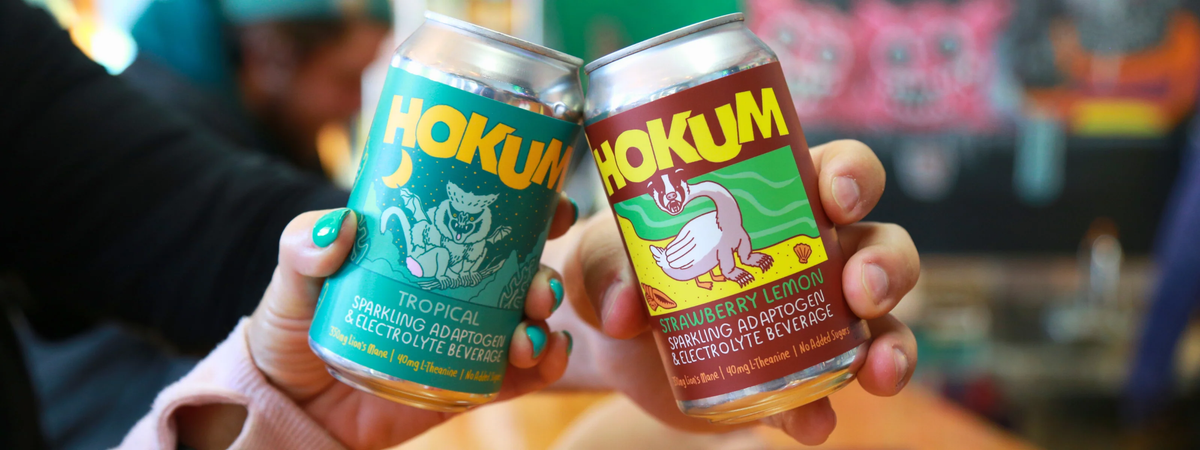
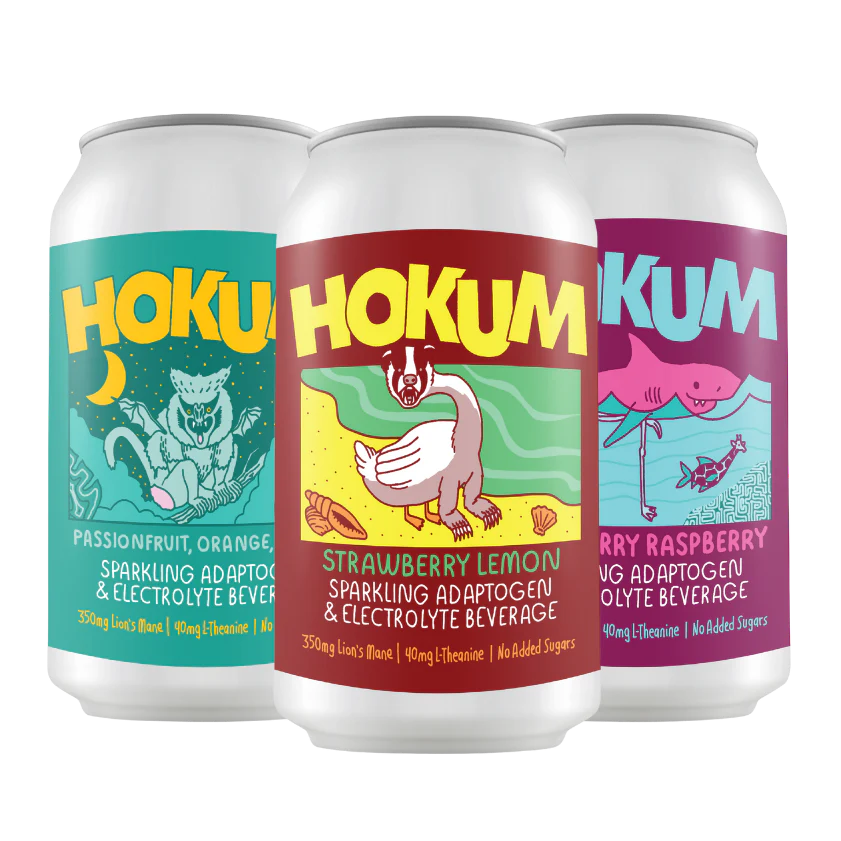
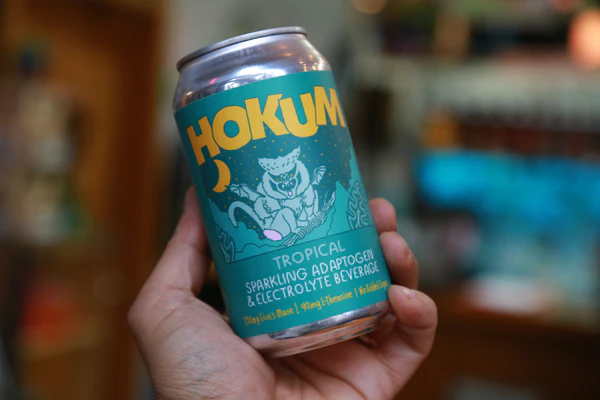
Drink Hokum builds bold functional beverages designed for modern social culture: clean energy, smooth focus, and hydration that keeps you online. Contact us to collaborate, stock our drinks, or build a custom non alcoholic program for your venue.
Frequently Asked Questions
What are non alcoholic drinks, and do they always mean 0.0%?
Non alcoholic drinks typically include beverages labeled 0.0% ABV and also “dealcoholized” or “non-alcoholic” products that may contain up to 0.5% ABV depending on local rules. If you need strict zero, look specifically for “0.0%” and check the label. When in doubt, contact the brand for ABV and lab testing details.
Why are non alcoholic beverages becoming so popular in 2026?
They align with modern priorities: better sleep, improved training consistency, and sharper next-day performance. Data also shows moderation is widespread, with 45% of US adults trying to drink less (Gallup, 2023). Better product quality and premium bar programs are accelerating adoption.
Are alcohol free drinks healthier than alcohol?
Often yes, but not automatically. Alcohol free drinks typically avoid ethanol-related downsides, but some can be high in sugar or calories. Compare labels and choose options that match your goal, such as lower sugar mocktails or healthy hydration drinks.
How do I socialize without drinking when everyone else is?
Decide your drink plan before you arrive, and order early so you are not repeatedly offered alcohol. Use a simple performance-based line like “I have a big morning.” Choose social drinking alternatives that still feel premium, like a crafted NA cocktail in a real glass.
What are the best non alcoholic drinks for a party?
Bring variety: a crisp alcohol free beer, a botanical sparkling option, and a hydration-forward drink for late night. This covers taste, ritual, and recovery. Avoid only sugary mixers, because people fatigue on sweet drinks fast.
Can functional beverages replace alcohol for relaxation?
They can support a calmer vibe for some people, especially drinks built around low stimulation and soothing ingredients. But they are not a sedative, and effects vary by person. Start with one serving, track how you feel, and avoid combining with high caffeine late at night.
Should I worry about caffeine in functional beverages during a night out?
Yes, especially if you also had coffee or pre-workout earlier. Stimulant stacking can cause jitters and poor sleep, which defeats the purpose of skipping alcohol. Choose low-caffeine or caffeine-free options for late nights if sleep is your priority.
Are non alcoholic spirits worth the price?
They can be, if you value complex flavor, ritual, and adult-style bitterness without alcohol. The best ones perform well in cocktails and pairings, not just straight pours. If you want pure function, you may get more value from hydration or functional beverages.
When is the best time to switch to hydration drinks on a night out?
A good rule is to add hydration by mid-event, especially if you are dancing, outdoors, or eating salty foods. You do not need to wait until you feel thirsty. Alternating alcohol free drinks with electrolytes is a reliable strategy for waking up sharper.
How can hosts make non alcoholic options feel inclusive?
Use premium presentation: glassware, ice, garnish, and clear labeling. Put NA options in the same “main” area as everything else, not in a separate corner. Offer at least one adult-flavor option (bitter, herbal, citrus) and one hydration-forward option.

Leave a comment
This site is protected by hCaptcha and the hCaptcha Privacy Policy and Terms of Service apply.