
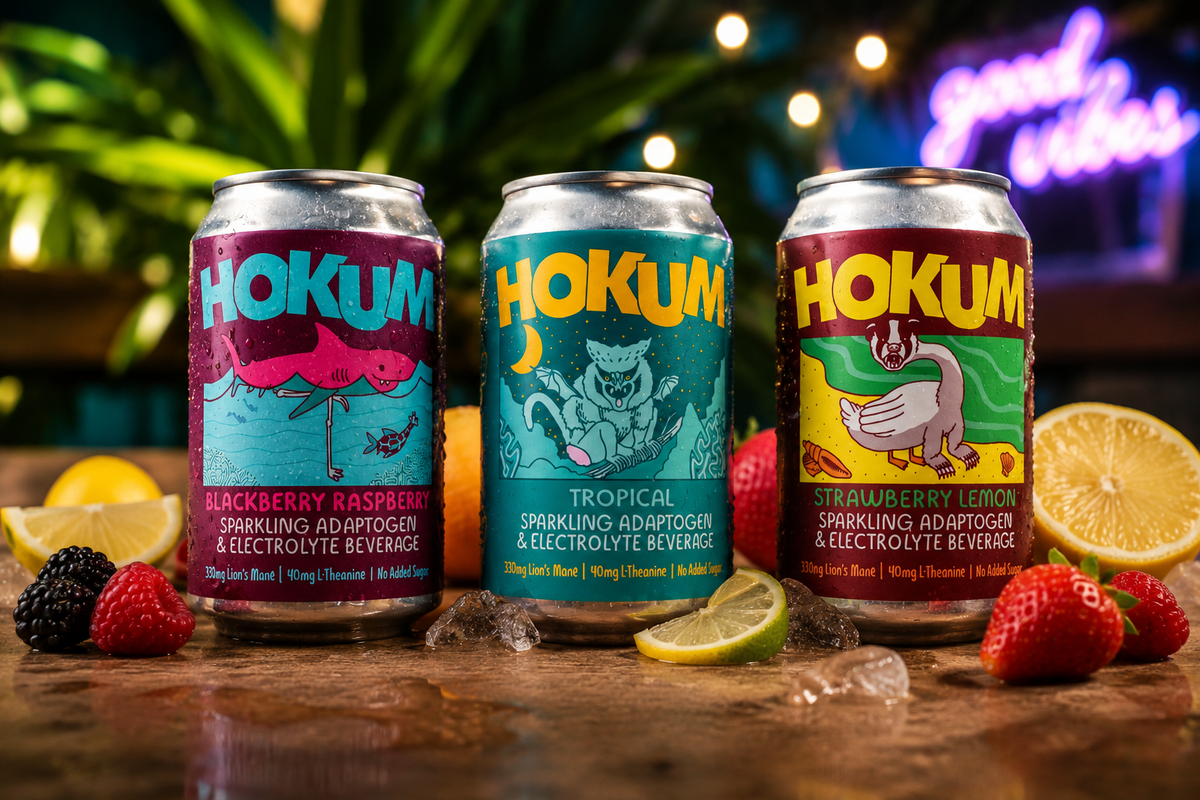
Non alcoholic mixed drink demand is not a niche anymore, it is a cultural shift. In the U.S., 28% of adults reported drinking less alcohol in 2023, with “better health” among the top reasons (Gallup, 2023). Globally, the no and low alcohol category continues to scale, with the market projected to reach about $13.8B by 2030(Grand View Research, 2023). In 2026, people still want the ritual, the flavor architecture, and the social signal of a “real drink” without the ethanol tax on sleep, training, mood, and next day performance.
This guide breaks down what non alcoholic mixed drinks are, how they differ from mocktails, what to buy (and avoid), and how to build premium, sugar free drink mixers and zero sugar mixers into a home bar setup that actually tastes pro.
What is a non alcoholic mixed drink?
A non alcoholic mixed drink is any mixed beverage built like a cocktail, meaning it uses multiple components (base, modifiers, acid, dilution, garnish, texture), but contains 0.0% ABV or effectively no alcohol depending on the product and local labeling rules. The key detail is structure: it is “mixed” on purpose, not just a single ready-to-drink soda.
What “non alcoholic” really means in 2026?
Labeling can be confusing. Some products are 0.0% ABV(truly alcohol-free), while others may be <0.5% ABV(similar to many kombuchas or “non-alcoholic” beers). If you are pregnant, in recovery, medication-sensitive, or avoiding alcohol for religious reasons, prioritize 0.0% ABV and verify the label.
Mocktails vs non alcoholic mixed drinks: the real difference
People use the terms interchangeably, but they are not identical. “Mocktail” is a cultural label. “Non alcoholic mixed drink” is a functional description. In 2026, the gap matters because premiumization, functional ingredients, and sugar reduction have changed what consumers expect.
Mocktail: the “cocktail-inspired” umbrella
A mocktail is typically designed to mimic a classic cocktail experience (like a Mojito, Margarita, or Mule) without alcohol. It often leans on familiar juice + soda + syrup patterns. Mocktails can be amazing, but they can also drift into “sweet beverage with garnish” territory if the builder does not balance acid, bitterness, and dilution.
Quick comparison table
|
Dimension |
Mocktail |
Non alcoholic mixed drink |
|---|---|---|
|
Definition |
Cocktail-inspired drink with no alcohol |
Any intentionally structured mixed drink with 0.0% or no meaningful alcohol |
|
Typical flavor profile |
Often fruit-forward, sometimes sweeter |
Wider range: bitter, dry, savory, spirit-forward, functional |
|
Common ingredients |
Juice, soda, syrups, herbs |
NA spirits, shrubs, teas, bitters, verjus, premium drink mixers |
|
Goal |
Replicate a known cocktail vibe |
Build a great drink on its own terms, not a “replacement” |
|
Where it shines |
Social settings, approachable classics |
Bars, tasting menus, performance lifestyle, “adult” flavor profiles |


Why this matters now: 2026 trends shaping zero-proof drinking
In 2026, the category is moving fast. The biggest shift: consumers are not just avoiding alcohol. They are optimizing outcomeslike sleep, training, mood, and next day cognition.
Trend 1: “Moderation culture” is mainstream
More consumers are flexing between alcohol and no-alcohol nights. That aligns with long-term survey movement: 28% of U.S. adults said they were drinking less alcohol in 2023(Gallup, 2023). For brands and home bartenders, this means the bar cart must perform across occasions, not just “Dry January.”
Trend 2: Premiumization without sugar
Consumers want complex, adult taste with fewer calories and less glucose volatility. High sugar mocktails are being replaced by sugar free drink mixers built with modern sweeteners and better acid balance. This matters because added sugar is a hot-button nutrition topic, and U.S. guidance recommends limiting added sugars to10% of daily calories(Dietary Guidelines for Americans, 2020 to 2025).
Trend 3: Functional ingredients are moving from “niche” to “expected”
Functional beverage growth has been powered by energy, hydration, and cognitive performance positioning. Energy drinks alone hit $21.9B in U.S. sales in 2023 (NielsenIQ, 2024). That consumer habit spills into night life: people want “a drink” that supports tomorrow, not steals from it.
Trend 4: Better NA spirits, better bar technique
In 2026, more bars treat zero-proof like craft cocktails: controlled dilution, acid math, and aromatics. Expect more clarified juices, verjus, olive brine-style salinity, and hop or tea bitterness to replace ethanol burn and length.

Common mistakes to avoid
Most non alcoholic mixed drinks fail in predictable ways. Fix them like a pro and your drinks will instantly taste more expensive.
Mistake 1: treating juice as the base
Juice-heavy builds become breakfast drinks. Use juice as a modifier, not the foundation. Swap part of the juice for tea, verjus, or a botanical base to add dryness and length.
Mistake 2: over-sweetening to “replace” alcohol
Alcohol is not sugar. If your drink needs more “impact,” add bitter, salt, spice, carbonation, or aromatic oils before adding sweetness. This is where zero sugar mixerscan outperform syrup-heavy mocktails when formulated well.
Mistake 3: ignoring dilution and temperature
Dilution is an ingredient. Shaking adds tiny ice shards and aeration, stirring keeps it clean. If your drink tastes harsh, it may be under-diluted. If it tastes watery, it may be over-diluted or under-acidified.
Mistake 4: no aroma game
Humans perceive flavor heavily through smell. Add a citrus peel expression, mint slap, rosemary sprig, or atomized orange blossom. This is the cheapest upgrade with the biggest perceived “premium” lift.
Mistake 5: buying “0.0%” but missing hidden alcohol in add-ins
Some bitters, flavor extracts, and even “NA” products can contain trace alcohol depending on labeling rules. If you need strict 0.0%, verify each component, not just the base.


Conclusion
The popularity of the non alcoholic mixed drink continues to grow as more people seek refreshing beverages that combine flavour, creativity, and versatility without alcohol. While mocktails remain a favourite for those who enjoy alcohol-free versions of classic cocktails, non alcoholic mixed drinks offer even greater flexibility by embracing original recipes and fresh ingredients.
Using sugar free drink mixers, premium drink mixers, and zero sugar mixers allows you to create beverages that are balanced, refreshing, and suitable for a wide range of occasions. Whether you're preparing drinks for a family gathering, a summer barbecue, or simply enjoying a relaxing evening at home, quality ingredients make a noticeable difference.
For more inspiration, recipes, and innovative alcohol-free beverage ideas, explore Drink Hokum. Their collection of thoughtfully crafted mixers and flavour-forward products can help you create delicious drinks that fit your lifestyle while celebrating great taste.
Looking to discover more refreshing alcohol-free beverage ideas or learn more about our range of mixers? Contact Drink Hokum today or explore our collection online.
Frequently asked questions
What is a non alcoholic mixed drink?
A non alcoholic mixed drink is a beverage made by combining multiple components like a cocktail, but without meaningful alcohol. It can be 0.0% ABV or sometimes labeled as “non-alcoholic” under local rules. The focus is on structure, balance, and flavor complexity.
How is a non alcoholic mixed drink different from a mocktail?
Mocktails are typically cocktail-inspired, while non alcoholic mixed drinks include mocktails plus a wider set of modern builds like tea-based, bitter-forward, culinary, or functional drinks. In practice, non alcoholic mixed drinks are often more “spirit-forward” and less juice-heavy. The term is also more precise for menus and search.
Are non alcoholic mixed drinks always 0.0% ABV?
Not always. Some products labeled “non-alcoholic” can be under 0.5% ABV depending on regulations and category norms. If you need strict alcohol-free, choose products explicitly labeled 0.0% ABV and confirm your bitters and extracts too.
What are the best zero sugar mixers for non alcoholic mixed drinks?
The best zero sugar mixersbalance sweetener blends with acidity, salt, and aroma so they do not taste thin or metallic. Look for mixers that specify a sweetener system (not just one sweetener) and that include layered acids like citric plus malic. Test them in a simple highball first before building complex recipes.
Do sugar free drink mixers taste worse than regular mixers?
They used to, but 2026 formulations are significantly better due to improved sweetener blends and mouthfeel strategies. Some sugar free drink mixers can taste cleaner in spirit-forward drinks because they avoid syrupy heaviness. The key is choosing mixers that also deliver bitterness and aromatics, not just sweetness.
Can I serve non alcoholic mixed drinks at a party instead of alcohol?
Yes, and it often improves the experience for mixed groups because everyone can participate in the ritual. Offer one “dry and bitter” option, one “fresh and citrus” option, and one “spiced or tea-based” option. Label any caffeine or functional ingredients clearly.
How do I make a premium non alcoholic mixed drink at home?
Use the 5-part formula: base, acid, sweetness, complexity, and controlled dilution. Add aroma with expressed citrus peel or herbs, and use a tiny amount of saline to round the profile. Premium results come from balance and finish, not from adding more juice.
What is the biggest mistake people make with mocktails?
Over-sweetening and under-building bitterness and aroma. Without alcohol, drinks need acid structure, a bitter edge, and a long finish to feel adult. Fix this by adding tea tannins, hops, shrubs, or non-alcoholic bitters and reducing syrup.
Are premium drink mixers worth it?
Often, yes, if they reduce your need for extra ingredients by providing layered flavor, acid balance, and aromatics. A truly premium drink mixer should let you make a bar-quality drink with fewer steps. If you still need to add multiple syrups and juices to make it work, it is not premium in practice.
Should I choose a non alcoholic mixed drink or a mocktail for fitness-focused goals?
If your priority is sleep, hydration, or next day training, choose a non alcoholic mixed drink built with lower sugar and clear ingredient intent. Sugar-heavy mocktails can add unnecessary calories and increase cravings for more sweetness. A zero sugar mixer plus citrus, botanicals, and carbonation is often the cleanest performance-friendly path.

Leave a comment
This site is protected by hCaptcha and the hCaptcha Privacy Policy and Terms of Service apply.