
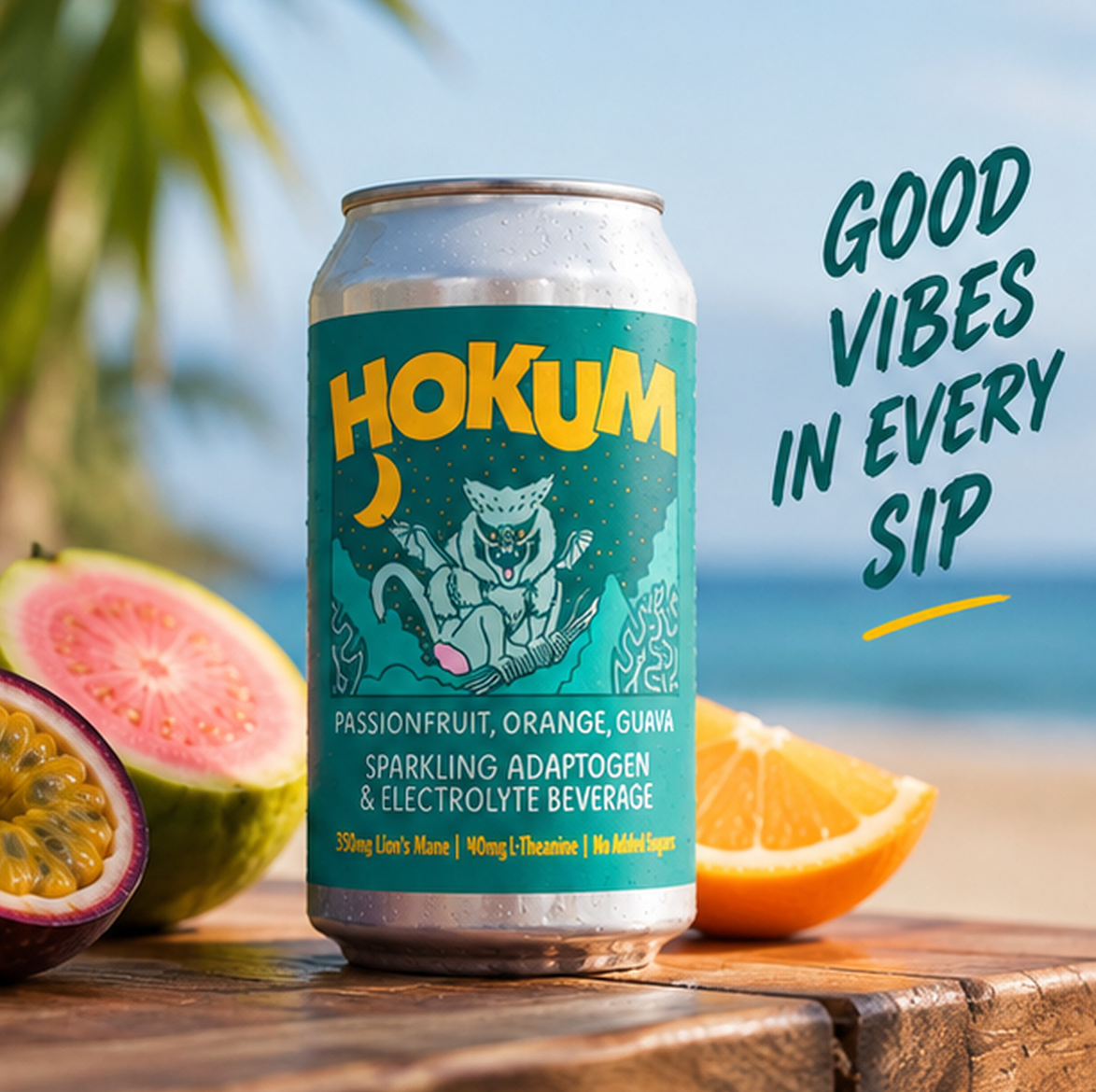
Orange guava beverage demand is not just about taste. It is about sensory efficiency. Consumers want big flavor, lower sugar, and functional cues that still feel natural. In the US, about 65 percent of adults report trying to limit sugar intake (IFIC Food and Health Survey, 2023). At the same time, global functional beverage growth keeps pushing flavor innovation because people want drinks that feel like a reward but perform like a tool. This is why the passionfruit, orange, and guava trio keeps winning in RTD, powders, and better for you sodas in 2026.
In this guide you will learn the flavor chemistry that makes this blend click, how acidity and aroma stacking create balance, what 2026 trends are changing formulation, and practical pro tips for building a guava orange drink that tastes premium even at lower sugar.
Why this fruit trio tastes “complete” to the brain?
Great flavor is not one note. It is a layered signal: sweet, sour, bitter, aromatic, and mouthfeel. Passionfruit, orange, and guava hit all of those levers with minimal effort, which is why a citrus tropical drink made from these fruits often tastes “finished” even with fewer ingredients.
Passionfruit brings high impact aroma and tart snap
Passionfruit is an aroma amplifier. It has intense top notes that read as tropical and bright, plus a sharp acid profile that keeps sweetness from feeling heavy. In low sugar formulas, that tart snap helps maintain perceived intensity so the drink does not feel diluted.
Orange delivers familiarity and a clean citrus backbone
Orange is the bridge flavor. It is globally understood, highly accepted, and it cues freshness. It also provides subtle bitterness and peel notes that add sophistication when used correctly. That peel like edge can also help adult positioning in non alcoholic alternatives.
Guava adds body, roundness, and “pink” fruit richness
Guava is the mouthfeel engine in a tropical fruit drink. It brings a creamy fruit perception even when the actual viscosity is low. That roundness helps cover the thinness that can happen in zero sugar or lightly sweetened drinks.
The sensory science: acidity, sweetness, and aroma stacking
This trio works because it creates balance across three key sensory axes. You get acidity management, sweetness shaping, and aromatic layering. That means you can dial sugar down while keeping taste intensity high.
Acid architecture: bright first, smooth finish
Orange and passionfruit naturally push citric style acidity. Guava softens the finish and reduces sharpness. In practice, this makes the first sip feel crisp and the aftertaste feel rounded. That “crisp to smooth” transition is a hallmark of premium citrus tropical drink profiles.
Sweetness perception: less sugar, same satisfaction
Sweetness is not only grams of sugar. It is also aroma and acid timing. Strong fruit volatiles can increase perceived sweetness, while acidity can make sweetness feel cleaner. This matters in 2026 because sugar reduction remains a top formulation target. The WHO continues to recommend limiting free sugars to less than 10 percent of total energy intake and suggests additional benefits below 5 percent (World Health Organization, 2015).
Aroma stacking: why it smells “juicier” than it is
Passionfruit provides loud top notes. Orange supplies mid notes that feel fresh. Guava contributes deeper fruity body notes. Together they create a wider aromatic spectrum, which many consumers interpret as “more juice” even when the juice percentage is modest.

Nutrition and functional positioning in 2026: what matters now
In 2026, taste is table stakes. The winners in functional beverages align flavor with benefit cues. Passionfruit, orange, and guava offer a natural platform for hydration, mood, and “sunshine energy” positioning without feeling medicinal.
Vitamin C and the “immunity halo”
Orange is still the cultural shorthand for vitamin C. That is powerful for marketing, but smart brands keep claims compliant and specific. Vitamin C is also a real nutrition lever. One medium orange provides roughly 70 mg of vitamin C(USDA FoodData Central, 2019). In beverages, actual levels depend on juice content and processing, so lab verification matters.
Polyphenols and carotenoids: color as a performance signal
Guava and passionfruit contribute natural pigments that can support a vibrant yellow to coral color range. Color signals function. Consumers often associate bright tropical colors with energy and vitality. In 2026, brands increasingly use fruit forward color plus minimal additives to match clean label expectations.
Hydration friendly framing: electrolytes plus fruit acids
Tropical fruit profiles pair well with sodium, potassium, and magnesium. The acidity makes electrolyte drinks feel more refreshing, especially in carbonated formats. This matters as non alcoholic functional alternatives keep rising, including “daytime party” beverages and better for you sparkling hydration.
Formulation playbook: how to build a guava orange drink that tastes premium
Flavor success is mostly ratios, acid choice, and aroma protection. Below is a practical playbook used across RTD and powdered formats. Use it to design a passionfruit guava juice style drink or a sparkling citrus tropical drink.
Start with a simple flavor ratio model
These are sensory targets, not label percentages. You can hit the character using juice, purees, natural flavors, or aroma extracts depending on cost and stability.
Use acid deliberately, not automatically
Many brands default to citric acid only. In 2026, better tasting formulas use blended acids to control the curve of sourness. Citric gives fast brightness. Malic adds a smoother lingering tartness. Tartaric can sharpen but can get aggressive. If you are building a low sugar tropical fruit drink, acid blending is one of the fastest quality upgrades.
Protect aroma in processing
Passionfruit volatiles can flash off during heat processing. If you use hot fill or high heat steps, consider adding delicate top notes post process when possible. For sparkling SKUs, manage CO2 and headspace because aroma loss is real. Even minor packaging oxygen can flatten fruit over shelf life.
Sweetener strategy for 2026 palates
Consumers want less sugar but they also reject weird aftertastes. If you use high intensity sweeteners, support them with fruit acids and a small amount of real sugar or juice where allowed. Also note the regulatory and consumer scrutiny around “natural” language. Be precise with labeling and claims.
Data driven flavor design: sweetness, acidity, and label tradeoffs
When you tune a beverage, you are trading taste, nutrition, cost, and stability. The table below shows practical targets and what they do to the experience. Use it as a checklist when developing an orange guava beverage.
|
Design lever |
Typical target range |
What it improves |
Common risk |
|---|---|---|---|
|
Total sugar |
0 to 8 g per 12 oz |
Lower calories, better for you positioning |
Thin taste, sweetener aftertaste |
|
Total acidity as citric equivalent |
0.18 to 0.35 percent |
Crispness, refreshment, fruit pop |
Harsh sourness, enamel concerns if extreme |
|
pH |
2.8 to 3.6 |
Micro stability, bright flavor |
Overly sharp profile, ingredient compatibility issues |
|
Carbonation |
2.2 to 3.0 volumes CO2 |
Lift, aroma release, “clean” finish |
Acid feels stronger, fruit body can drop |
|
Juice content |
5 to 30 percent |
Authenticity, label appeal, body |
Cost, sediment, shelf life complexity |
One more reality check: shoppers still read labels fast. In the US, roughly 75 percent of consumers say they try to limit or avoid sugar (NielsenIQ, 2022). That pressure makes low sugar orange guava beverage positioning attractive, but it raises the bar on flavor engineering.
What is changing in 2026: trends shaping citrus tropical drink success?
May 2026 is a different market than 2021. The flavor combo still works, but winning products reflect new consumer expectations and new retail dynamics.
Trend 1: “Tropical meets function” is now the default
Functional claims have matured. Consumers now expect focus, mood, hydration, or gut support to be paired with legitimate taste. The global energy drink category alone has scaled massively, reaching about USD 86 billion in 2023(Grand View Research, 2024). That growth trains shoppers to look for performance signals, even in fruit forward drinks.
Trend 2: Cleaner labels and shorter ingredient lists
2026 formulas increasingly avoid artificial colors and heavy preservatives, especially in premium channels. This pushes brands toward better processing, better packaging, and more careful supply chain control. It also increases the importance of sensory design, because you cannot hide behind additives.
Trend 3: Carbonated juice blends and “better soda” positioning
Consumers want the fun of soda with less sugar and more function. Passionfruit, orange, and guava perform extremely well in carbonation because the aromatics jump out of the glass. The trick is keeping guava body present so the drink does not feel like a thin sparkling water.
Trend 4: Global flavor authenticity
Guava and passionfruit signal global palate, Latin influence, and tropical provenance. In 2026, authenticity matters more, so brands highlight origin, varietals, and real juice percentages when possible. If you cannot source consistent juice, use transparent language and keep the sensory profile stable.

Conclusion
Passionfruit, orange, and guava work because they are engineered by nature for balance. You get brightness, familiarity, and body in one tight stack. In 2026, that matters because consumers demand high impact taste with lower sugar and real function cues.
If you are building your next orange guava beverage and you want it to hit harder with less sugar and more function, Drink Hokum can help you architect the flavor stack, formulation strategy, and go to market plan.
Frequently Asked Questions
What makes an orange guava beverage taste so balanced?
Orange provides a familiar citrus backbone, guava adds round fruity body, and passionfruit delivers high impact aroma plus tart lift. That combination covers top notes, mid notes, and finish, so the drink feels complete with fewer ingredients. It also supports lower sugar formulations because aroma and acid boost perceived sweetness.
Is a guava orange drink better in sparkling or still formats?
Both work, but sparkling versions highlight passionfruit and orange aromatics and feel more refreshing. Still versions let guava body come through and often taste smoother at lower sweetness. Choose based on your function goal, like hydration versus “better soda.”
How can I make a citrus tropical drink taste good with less sugar?
Use aroma stacking from passionfruit and orange plus a smoother acid blend to maintain intensity. Keep guava character strong to prevent a watery finish. If you use high intensity sweeteners, test bitterness and aftertaste across shelf life.
Why does passionfruit guava juice sometimes taste too sharp?
It is usually an acid curve issue or passionfruit dosage that is too high. Blending acids and increasing guava mid notes can soften the perception. Also check carbonation levels because CO2 can amplify sourness.
Can I use real juice and still keep calories low?
Yes, but you need tight portion and sweetness targets. Many brands use a moderate juice percentage for authenticity and then manage sweetness with careful formulation. Verify nutrition with lab testing because natural sugar varies by fruit source and season.
Should I add electrolytes to an orange guava beverage?
If the drink is positioned for hydration or performance, electrolytes can make sense and pair well with citrus acids. The main watchout is sodium increasing bitterness or making the finish feel “salty.” Run sensory tests at multiple electrolyte levels and temperatures.
What ingredients commonly clash with this tropical fruit drink flavor?
Some botanicals and certain B vitamin systems can create metallic or bitter notes that citrus makes more obvious. High caffeine can also push harshness unless buffered by sweetness and guava body. Always test your full functional stack, not just the base flavor.
When is the best time to drink a guava orange drink for performance?
For hydration, it works well pre workout or during long sessions, especially if electrolytes are included. For focus, many consumers use it mid morning or mid afternoon when energy dips. If caffeine is present, avoid late day use if sleep is a priority.
Is this fruit combination trending in 2026?
Yes, tropical profiles remain strong because they signal escapism, refreshment, and functional energy. The 2026 shift is toward cleaner labels, lower sugar, and formats like better soda and functional sparkling drinks. Passionfruit, orange, and guava fit that direction perfectly.
How do I keep the flavor stable over shelf life?
Protect passionfruit top notes from heat and oxygen, and use packaging that controls oxygen ingress. Run accelerated and real time shelf life studies because aroma fade is often the first failure point. Also monitor pH and carbonation because they change flavor perception over time.

Leave a comment
This site is protected by hCaptcha and the hCaptcha Privacy Policy and Terms of Service apply.