
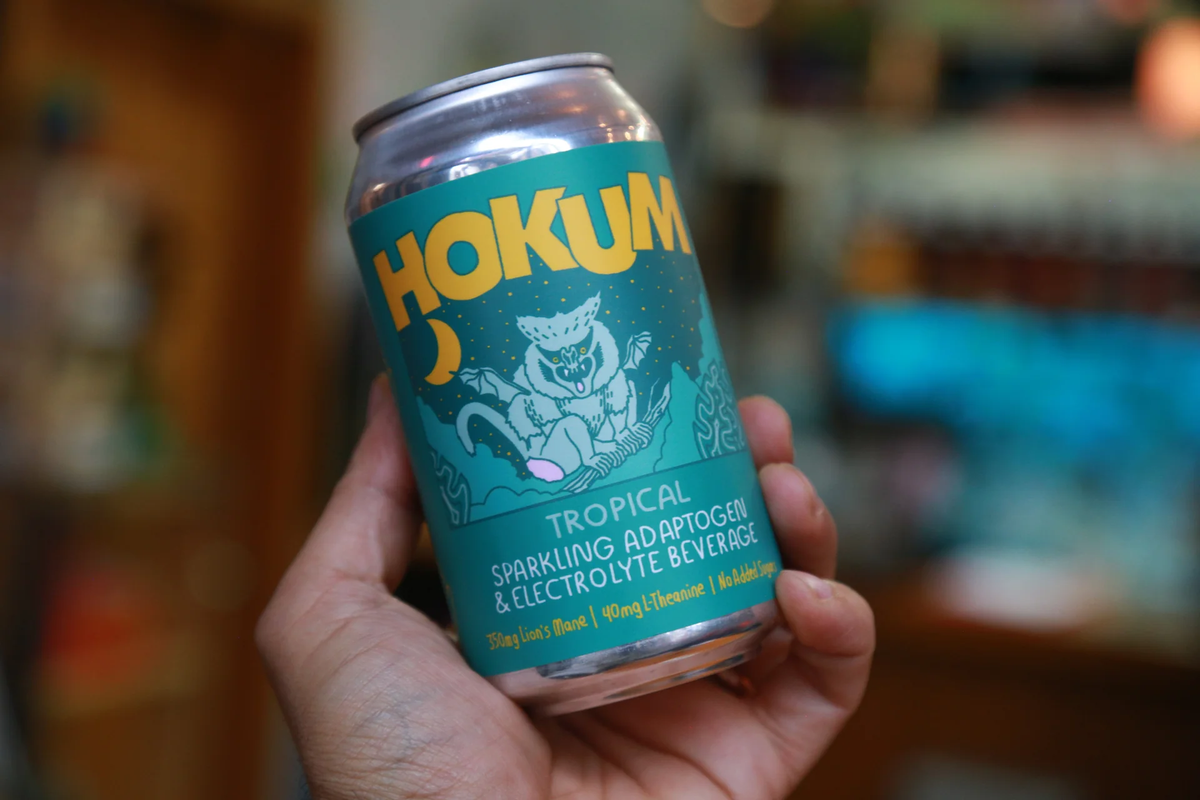
Passionfruit guava juice is having a real moment in 2026 because people want energy without the spike, hydration without the sugar bomb, and flavor without alcohol. The shift is measurable. In the US, non alcoholic beverage dollar sales rose 26% in 2023 (NielsenIQ, 2024), and functional beverage launches keep climbing as consumers chase focus, mood, and performance. Meanwhile, added sugar is under pressure: the FDA’s updated definition of “healthy” finalized in 2024 puts tighter emphasis on added sugars (FDA, 2024), pushing brands and shoppers toward cleaner labels.
This guide breaks down what passionfruit guava juice can realistically do, what it cannot, and how to use it as a citrus energy alternative using evidence-based add-ons, smart orange drink mix pairings, and clean-label buying rules. You will also learn where guava drinks non alcoholic fit versus typical orange mixed drink habits and how to avoid the most common mistakes.
Why passionfruit guava juice is trending now (and why 2026 is different)
Two macro forces are colliding in 2026: the “non alcoholic by default” lifestyle and the “clean energy” upgrade. Gen Z and millennials are replacing the old orange mixed drink routine with daytime functional options that support hydration, productivity, and training.
Category data supports the shift. US non alcoholic beverage dollar sales were up 26% in 2023(NielsenIQ, 2024), and non-alc beer alone continues to grow as a social replacement. That spillover demand is creating space for tropical blends that feel like a treat but function like a tool.
Passionfruit guava juice benefits, explained with real nutrition logic
Let’s be precise: juice is not a miracle supplement. But passionfruit guava juice can be a useful base for hydration routines, pre-workout rituals, and alcohol-free social drinks because it is palatable, easy to digest, and naturally contains micronutrients and bioactives depending on processing.
1) Hydration support (when you formulate it correctly)
Juice alone is not an optimal hydrator because it can be high in sugar and low in sodium. The upgrade is simple: add electrolytes. Sodium improves fluid retention and helps replace sweat losses during training. This matters because most people underestimate hydration needs, especially when combining fitness with coffee-heavy mornings.
2) Antioxidant and micronutrient lift (varies by product)
Guava is known for vitamin C content, and passionfruit contributes polyphenols and carotenoids. Exact amounts vary widely depending on whether the drink is from concentrate, pasteurized, diluted, or blended with other fruit. If you want the antioxidant lift, choose products that list a high percentage of real juice and minimal heat processing, or use frozen puree.
3) A more stable “energy” feel vs high-caffeine drinks
People confuse stimulation with energy. Caffeine can help performance, but high doses can backfire. A major umbrella review found caffeine can increase anxiety in a dose-dependent way, particularly at higher intakes (Frontiers in Psychology, 2024). Passionfruit guava juice as a base gives you “bright” flavor and quick carbohydrate availability without forcing a stimulant load.
4) Workout utility: carbs as fuel (not as guilt)
Carbohydrates are performance fuel. The International Society of Sports Nutrition states that carbohydrate intake can improve exercise performance, with needs scaling by duration and intensity (ISSN Position Stand, 2018). A small serving of passionfruit guava juice can be a practical carb source before or during training, especially if you dilute it and add sodium.
How it compares: passionfruit guava juice vs orange drink mix and common citrus options
People searching “orange drink mix” or “orange mixed drink” often want brightness, convenience, and nostalgia. The tradeoff is that many powdered mixes and bottled orange drinks rely on added sugars, flavor systems, and low real-juice content. Passionfruit guava juice can win, but only if you compare labels like a pro.
|
Option |
Best use case |
What to watch |
Quick upgrade |
|---|---|---|---|
|
Passionfruit guava juice |
Hydration base, tropical mocktails, pre-workout carb |
Added sugar, low juice %, “nectar” dilution |
Add electrolytes + dilute 1:1 with sparkling water |
|
Classic orange drink mix(powder) |
Convenience, budget, flavor nostalgia |
High added sugar, artificial colors, low micronutrients |
Use half serving + add citric acid and salt for balance |
|
Bottled orange drink |
Grab-and-go sweetness |
Calories, added sugar, weak electrolyte profile |
Cut with water + add 200 to 400 mg sodium per liter |
|
Guava drinks non alcoholic(sparkling RTD) |
Social replacement for alcohol |
Hidden sweeteners, tiny active doses in “functional” claims |
Choose 0 to 5 g added sugar and transparent ingredient dosages |
Benchmark: added sugar reality check
The American Heart Association advises keeping added sugars to about no more than 25 g/day for women and 36 g/day for men(AHA, 2023). Many “tropical” bottled juices can hit 20 to 35 g per serving fast. The win is not “never drink juice.” The win is portion control + dilution + electrolytes.

Building a citrus energy alternative: 3 functional recipes that actually work
These recipes use passionfruit guava juice as a base to deliver what people really want when they search “buy citrus fruit drink”: taste, lift, and usability. Each option is non alcoholic by default and designed for different moments.
Recipe 1: The steady-focus sipper (work block drink)
Why it works: Dilution reduces sugar load, sodium improves hydration feel, carbonation increases satiety and “event” energy. This is the clean alternative to an afternoon orange drink mix habit.
Recipe 2: The training primer (pre-workout, caffeine free)
Why it works: Carbs support training intensity, and creatine has one of the strongest evidence bases for strength and power. A 2022 systematic review concluded creatine supplementation improves performance in strength and power tasks for many populations (Journal of the International Society of Sports Nutrition, 2022).
Recipe 3: The non alcoholic “orange mixed drink” replacement (party-safe)
Why it works: You keep the familiar orange vibe while upgrading to a layered tropical profile. It scratches the cocktail itch without alcohol and without needing “mocktail syrup” sugar bombs.
2026 trends shaping passionfruit guava juice and the functional citrus space
May 2026 is not the era of simple juice. It is the era of modular beverages, where consumers build stacks and brands offer more transparent formulations.
Trend 1: sugar reduction without sacrificing flavor
Expect more “light juice” formulations using dilution, acid balancing, and aroma-forward flavor design. This aligns with consumer pressure to reduce added sugar and with regulatory scrutiny around health-oriented claims (FDA, 2024).
Trend 2: electrolyte-first positioning
Hydration is still booming, but the market is maturing. In 2026, better brands are disclosing sodium and potassium clearly and moving away from “hydration vibes” with underdosed minerals. Look for products that land in a meaningful sodium range for active use rather than token amounts.
Trend 3: non alcoholic social rituals are getting sharper
Non-alc is no longer only about abstinence. It is about performance and next-day clarity. That is why tropical profiles like passionfruit guava are outperforming flat “diet soda energy” experiences. You get celebration flavor with functional utility.
Trend 4: functional credibility is being audited by consumers
Shoppers are cross-checking claims and looking for evidence-based ingredients. Creatine, electrolytes, and moderate caffeine doses are holding ground. “Proprietary blends” and fairy-dust nootropics are losing trust.
Common mistakes to avoid (and pro tips to get results fast)
You can turn passionfruit guava juice into a daily advantage, or you can accidentally build a sugar habit that cancels the upside. Here is what to avoid, and what to do instead.
Mistake 1: treating juice like an unlimited hydration drink
Juice is not water. If you are using it for hydration, dilute it and add sodium. Pro tip: start at a 1:1 dilution ratio and adjust based on taste and training intensity.
Mistake 2: buying “nectar” expecting real juice benefits
Many guava and passionfruit products are labeled as nectar, which often means lower fruit content and added sugar. Pro tip:look for a clear juice percentage and compare grams of added sugar across brands.
Mistake 3: over-indexing on vitamin claims while ignoring total sugar
A drink can have vitamin C and still be a sugar-heavy calorie hit. Pro tip: use the AHA daily added sugar guidance as a guardrail: 25 g/day women, 36 g/day men(AHA, 2023).
Mistake 4: stacking stimulants on top of sweet juice
High sugar plus high caffeine can feel like rocket fuel and then a crash. Caffeine can also worsen anxiety for some people at higher doses (Frontiers in Psychology, 2024). Pro tip: if you want caffeine, keep it moderate and pair it with L-theanine, protein, or a meal.
Mistake 5: assuming “functional” means clinically dosed
Many RTDs include trendy ingredients at non-meaningful amounts. Pro tip: choose products that list exact dosages and align with evidence-based ranges, especially for electrolytes and creatine.
Real-world scenarios: when passionfruit guava juice is the right move
Practicality beats perfection. Here is how high-performing consumers are using passionfruit guava juice in 2026 across work, training, and social life.
Scenario 1: replacing the 3 pm energy drink
If you are sensitive to caffeine or want better sleep, switch to a diluted passionfruit guava juice + electrolytes drink. You keep the “bright reward” of flavor and the ritual of cracking a can or pouring something special, without pushing stimulants late in the day.
Scenario 2: fueling a lunch workout
For a 30 to 60 minute session, a small serving can provide quick carbs that feel lighter than solid food. Add a pinch of salt, especially if you sweat heavily. This aligns with sports nutrition guidance that carbs support performance depending on workload (ISSN, 2018).
Scenario 3: building a non alcoholic bar at home
Use passionfruit guava juice as your tropical base, then offer add-ins like citrus wedges, ginger, mint, and sparkling water. This replaces the “orange mixed drink” default with a modern, non alcoholic ritual that still feels social.
Edge case: what if you are managing blood sugar or cutting calories
Use a smaller pour, dilute more aggressively, and consider pairing with fiber and protein at meals. Choose blends with 0 g added sugar when possible, and treat higher-sugar versions as workout fuel only, not an all-day sip.
Conclusion
Passionfruit guava juice is not hype. It is a high-leverage base that can replace sugary mixers and stimulant-heavy drinks when you build it intentionally.
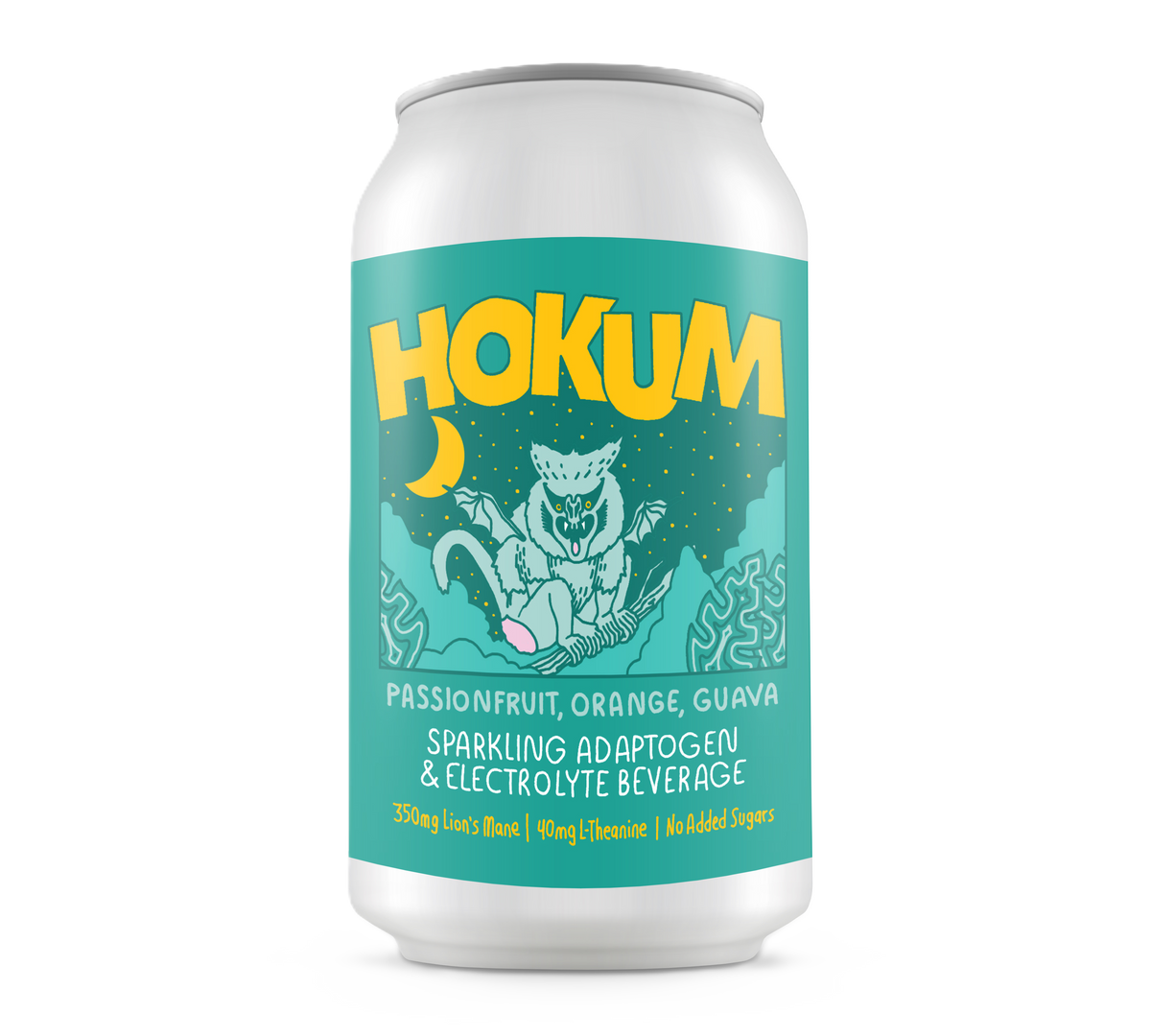
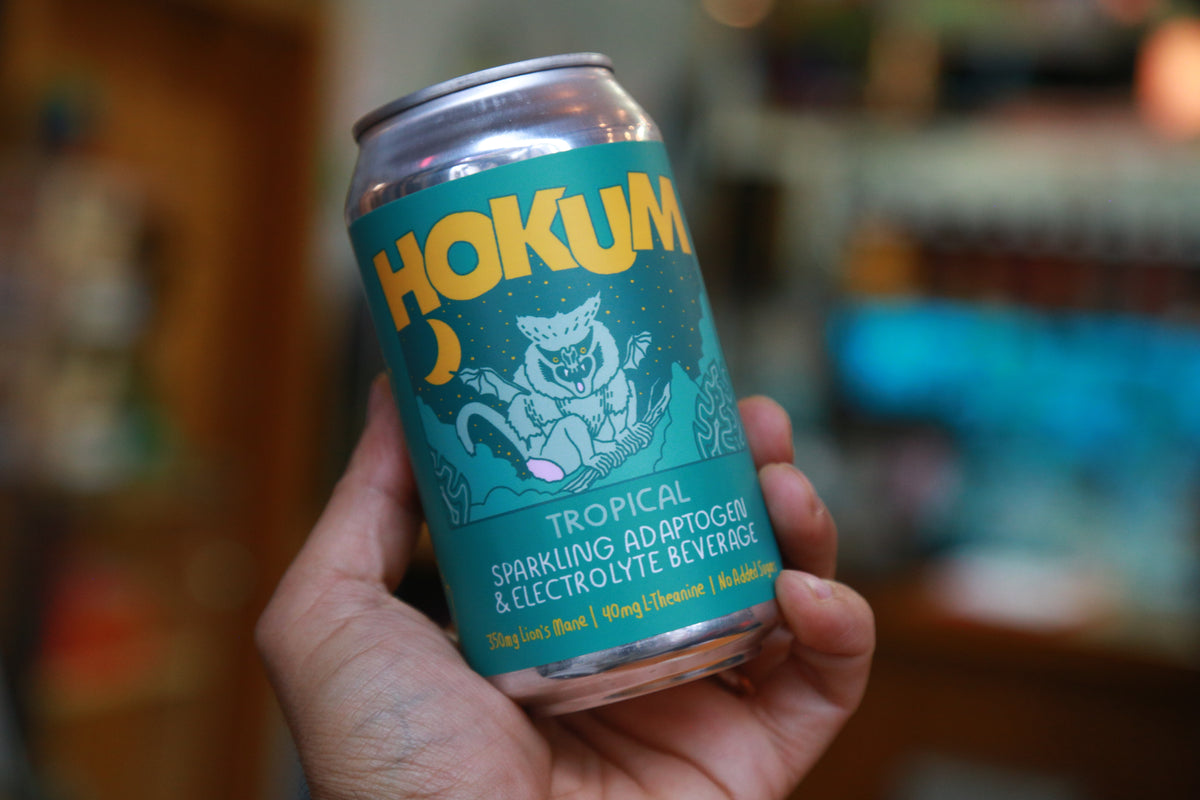
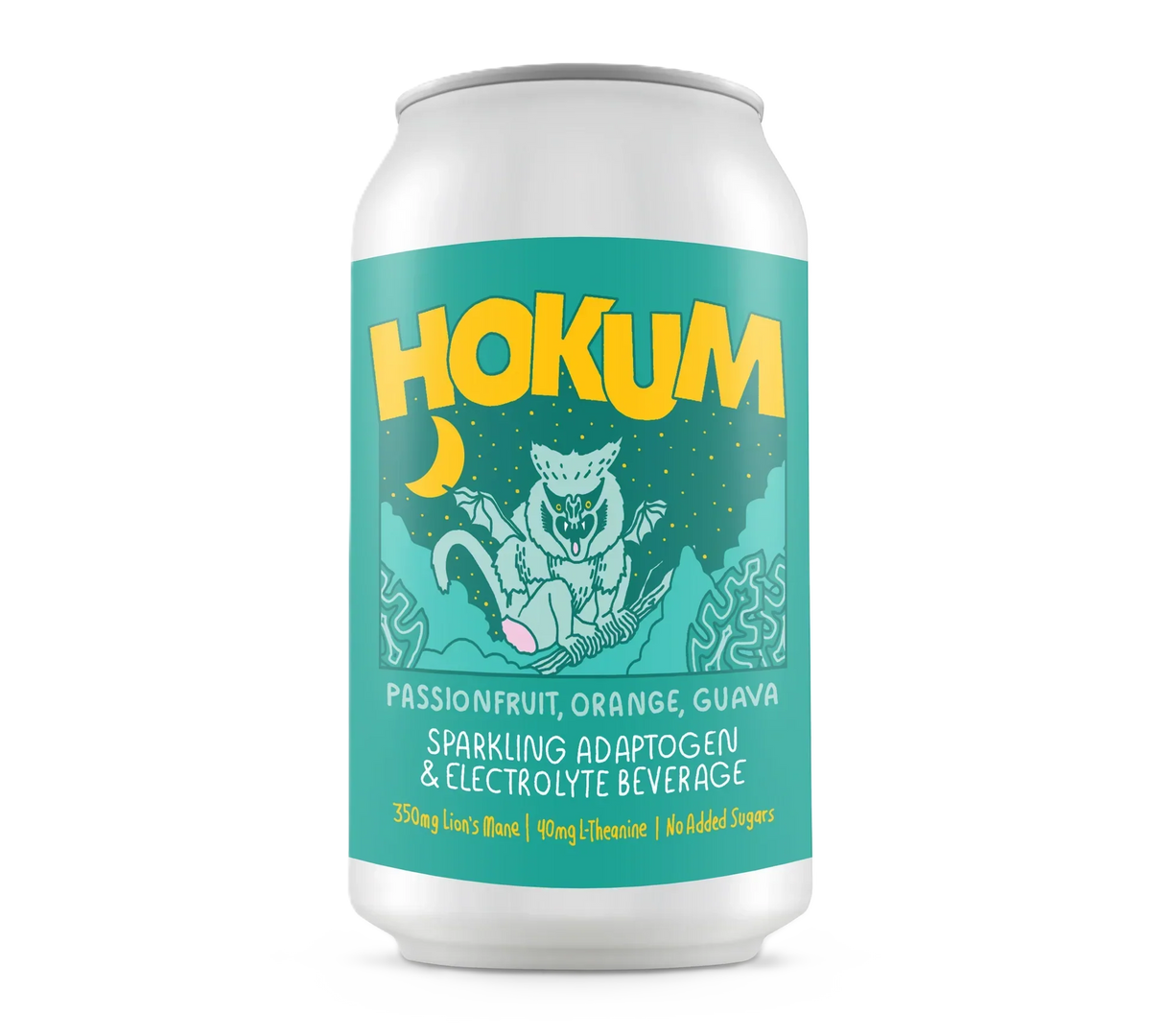
If you want a next-gen functional take on tropical citrus energy, Drink Hokum builds performance-first flavors designed for modern routines. Contact us to explore collaborations, wholesale, or product questions: hello@drinkhokum.com.
Frequently asked questions
What is passionfruit guava juice good for?
Passionfruit guava juice is useful as a flavorful base for hydration, non alcoholic social drinks, and pre-workout carbs. The biggest benefits come from how you use it: dilute it, add electrolytes, and control serving size. Choose low added sugar options for daily use.
Is passionfruit guava juice a good citrus energy alternative?
Yes, if your goal is clean, steady energy without heavy caffeine. It delivers bright flavor and quick carbohydrates, and it pairs well with electrolytes for a more functional feel. It is not a stimulant, so it will not mimic the intensity of a high-caffeine energy drink.
How much passionfruit guava juice should I drink per day?
For most people, 120 to 250 ml is a reasonable serving, especially if diluted. If you are using it for training, you can go higher based on workout duration and carb needs. If you are watching sugar, prioritize low added sugar versions and treat larger servings as workout fuel.
Are guava drinks non alcoholic always healthy?
No. “Non alcoholic” only means no ethanol, not low sugar or high nutrition. Check added sugar, juice percentage, and whether any functional ingredients are meaningfully dosed.
Can I replace my orange drink mix with passionfruit guava juice?
Yes, and many people prefer the more modern tropical flavor. The key is controlling sugar: dilute the juice and add electrolytes if hydration is your goal. If you still love orange, blend small amounts of orange juice with passionfruit guava for a hybrid profile.
What is the best way to make a non alcoholic orange mixed drink with guava?
Combine passionfruit guava juice with a smaller amount of orange juice, then top with sparkling water and add a citrus peel garnish. Keep it chilled and consider a chili-salt rim for a “cocktail” feel. This creates the vibe of an orange mixed drink without alcohol.
Should I add electrolytes to passionfruit guava juice?
If you are drinking it for hydration, yes. Juice typically lacks enough sodium to support fluid retention during sweating. Aim for a meaningful sodium dose and dilute the juice so it stays refreshing rather than syrupy.
Is passionfruit guava juice good before a workout?
It can be, especially if you tolerate carbs well and want quick energy. Dilute it and add a pinch of salt to improve hydration. For longer sessions, you may need additional carbs or a dedicated sports drink strategy.
What should I look for when I buy citrus fruit drink products in 2026?
Look for low added sugar, transparent juice percentage, and clear labeling for any functional actives. Avoid proprietary blends with no dosages and “hydration” products with negligible sodium. Pick formats that match your routine: puree for control, RTDs for convenience.
Can passionfruit guava juice help me cut down on alcohol?
Yes, because it works well in non alcoholic rituals that still feel celebratory. Pair it with sparkling water, citrus, and botanicals to create a satisfying replacement. This aligns with the broader shift toward nonalcoholic options as the category continues to expand (NielsenIQ, 2024).

Leave a comment
This site is protected by hCaptcha and the hCaptcha Privacy Policy and Terms of Service apply.