


Ready-to-Drink Beverages vs. Drink Mixers: Which Fits Your Lifestyle?

Ready to drink beverages and drink mixers are changing how people approach everyday hydration, energy, and refreshment. From convenient bottled drinks to customizable functional mixers, consumers now have more choices than traditional soft drinks and sugary refreshments.
Choosing between these formats involves more than flavor. Convenience, nutritional content, portability, ingredient quality, and personal preferences all influence the decision. For health-conscious consumers, understanding these differences can make daily beverage choices more practical.
The beverage industry is also evolving in 2026. Interest in functional ingredients, reduced sugar consumption, and non alcoholic alternatives is encouraging manufacturers to develop products suited to different lifestyles.
This guide compares ready-to-drink options and drink mixers. It explains their benefits, limitations, and practical uses so you can determine which format suits your routine.
What are ready-to-drink beverages?
Ready-to-drink beverages are packaged drinks that can be consumed immediately without preparation. They typically come in cans, bottles, or cartons and are formulated for convenient consumption.
These beverages include flavored water, functional drinks, energy beverages, protein drinks, and non alcoholic refreshments. Depending on their formulation, they may contain vitamins, electrolytes, caffeine, botanical extracts, or other ingredients.
The defining feature is convenience. Consumers do not need measuring equipment, additional ingredients, or mixing instructions.
Key features of ready-to-drink beverages
- Immediate consumption: The beverage is prepared before packaging and requires no additional mixing.
- Consistent formulation: Each serving generally provides the same ingredient quantities when manufactured according to its specifications.
- Portability: Bottles and cans are convenient for commuting, travel, and busy schedules.
- Functional options: Selected products contain ingredients associated with hydration, alertness, or nutritional supplementation.
- Flavor consistency: Consumers can expect a relatively uniform taste from one serving to another.
Ready-to-drink beverages can be especially practical when access to clean water or preparation equipment is limited. However, their larger packaging can make storage and transportation less efficient than concentrated alternatives.
What are drink mixers and how do they work?
Drink mixers are concentrated liquids, powders, or other preparations designed to be combined with water or another beverage before consumption.
They provide flexibility because consumers can often adjust flavor intensity and serving size. Different formulations serve different purposes, including flavor enhancement, hydration, and functional ingredient delivery.
Many non alcoholic drink mixers are designed to create flavorful refreshments without requiring alcohol. They can be combined with still water, sparkling water, or other compatible ingredients.
Different types of drink mixers
- Liquid concentrates: Concentrated formulas diluted according to manufacturer instructions.
- Powdered drink mixes: Dry ingredients blended with water before consumption.
- Electrolyte mixers: Preparations containing minerals such as sodium or potassium.
- Functional mixers: Products containing ingredients such as caffeine, botanical extracts, or selected vitamins.
- Flavor mixers: Concentrates primarily intended to change the taste of beverages.
Premium drink mixers may emphasize ingredient sourcing, distinctive flavor combinations, or clearly disclosed functional ingredients. However, a premium label does not automatically indicate superior nutritional quality.
Drink mixers are useful when preparation flexibility matters. Their main limitation is that consumers need an appropriate liquid and must follow preparation instructions.
Ready-to-drink beverages vs. drink mixers: Key differences
Both formats can fit a modern lifestyle. Their advantages depend on how frequently you consume them and where you normally prepare your drinks.
|
Feature |
Ready-to-drink beverages |
Drink mixers |
|---|---|---|
|
Preparation |
Ready for immediate consumption |
Require mixing or dilution |
|
Convenience |
Convenient when traveling |
Convenient when water is available |
|
Flavor customization |
Usually predetermined |
Often adjustable |
|
Storage |
Require space for full liquid volume |
Often compact before preparation |
|
Serving consistency |
Usually standardized |
Depends on accurate preparation |
|
Cost per serving |
Varies by product and packaging |
Can be economical with repeated use |
|
Waste considerations |
Usually one container per packaged serving |
May reduce packaging when used with reusable bottles |
|
Functional ingredients |
Available in selected formulations |
Available in selected formulations |
The central difference is convenience versus customization. Ready-to-drink products eliminate preparation. Mixers allow greater control over flavor concentration and how a drink is assembled.
Neither format is inherently healthier. Nutritional quality depends on ingredients, serving size, sugar content, and how the beverage fits into an individual's overall diet.
How nutrition and functional ingredients influence your choice?
Functional beverages are increasingly positioned around specific consumer needs. Common categories include hydration, energy, focus, and nutritional supplementation.
However, ingredient quantities and scientific evidence matter more than broad marketing claims. Understanding the label helps consumers make informed comparisons.
Sugar content and sweeteners
Added sugar is an important consideration when choosing beverages for regular consumption.
The International Food Information Council reported in its 2024 Food and Health Survey that 60% of respondents who were limiting or avoiding sugar focused specifically on added sugars. The finding reflects consumer interest in managing sugar intake.
The US Food and Drug Administration uses a Daily Value of 50 grams for added sugars based on a 2,000-calorie diet. Actual individual dietary needs may differ.
Sugar free drink mixers and zero sugar mixers can provide alternatives for consumers seeking lower added sugar intake. However, product labels require careful interpretation.
A beverage containing zero grams of added sugar may still contain naturally occurring sugars. Some sugar-free products also contain high-intensity sweeteners or sugar alcohols.
When comparing drinks, check total sugars, added sugars, serving sizes, and the ingredients list rather than relying exclusively on front-label claims.
Hydration and electrolytes
Hydration supports normal physical function, temperature regulation, and overall wellbeing. Many functional beverages include electrolytes to address particular hydration needs.
Electrolytes such as sodium and potassium play important roles in fluid balance and normal muscle function.
However, not everyone requires an electrolyte beverage during routine physical activity.
In guidance published in July 2025, the American College of Sports Medicine explained that most people exercising for less than 60 to 90 minutes daily in normal conditions are unlikely to experience substantial electrolyte depletion.
Long-duration exercise, intense sweating, and hot environments can create different hydration requirements.
For everyday activities, plain water may be sufficient. Ready-to-drink electrolyte beverages and prepared mixers become useful when their ingredient composition matches a genuine need.
Nootropics and caffeine
Nootropic beverages are marketed around cognitive functions such as attention, mental performance, and focus.
Common ingredients include caffeine, L-theanine, certain mushroom extracts, and botanical compounds. However, the strength of scientific evidence differs considerably between ingredients and formulations.
Caffeine has established short-term effects on alertness. The FDA states that 400 milligrams of caffeine daily is generally not associated with negative effects for most healthy adults. Individual sensitivity varies substantially.
Claims about other cognitive ingredients require more careful evaluation. Studies involving isolated extracts do not automatically demonstrate that a finished beverage produces equivalent effects.
Consumers should examine ingredient quantities and avoid assuming that every functional drink delivers clinically established cognitive benefits.

Which beverage format fits your lifestyle?
The most practical beverage choice depends on daily activities, preparation time, and individual priorities.
For busy professionals and commuters
Ready-to-drink products are convenient when schedules leave little time for preparation.
A sealed beverage can be carried to work, consumed during a commute, or kept available for scheduled breaks.
Mixers are another option for people who regularly carry reusable water bottles. Preparing a drink before leaving home provides flexibility without requiring separate packaged beverages throughout the day.
For students and remote workers
Students and remote workers may value beverages that fit naturally into extended study or work sessions.
Drink mixers can offer flexibility in flavor and concentration. Ready-to-drink products provide simplicity when frequent preparation would interrupt work.
Those choosing caffeinated beverages should monitor total caffeine intake from coffee, tea, energy drinks, and other sources. More caffeine does not necessarily produce better concentration.
For fitness enthusiasts
Exercise duration and environmental conditions should guide beverage selection.
For shorter workouts, water is generally a practical starting point. Extended endurance activity or substantial sweating may justify beverages containing appropriate electrolytes.
Ready-to-drink sports beverages offer convenient access to a standardized formula. Mixers allow athletes to prepare drinks using available water and measured portions.
For consistent results, follow recommended preparation ratios instead of adding extra powder or concentrate without considering the resulting ingredient dose.
For social gatherings
Interest in non alcoholic beverages drinks continues to create opportunities for alcohol-free social experiences.
Ready-to-drink refreshments are useful when hosting guests because they require little preparation. Mixers support customized drinks and allow hosts to offer different flavor combinations.
For example, a fruit-flavored concentrate can be combined with sparkling water and fresh citrus to create a simple alcohol-free drink.
Check that ingredients are suitable for the intended guests, particularly when products contain caffeine or other active compounds.
Beverage trends shaping consumer choices in 2026
The functional beverage market is evolving as consumers demand convenience alongside greater transparency and meaningful product benefits.
Several developments highlighted during the first half of 2026 illustrate how beverage preferences are changing.
Growing demand for powdered drink mixes
An April 2026 BevNET report cited Circana retail data showing that powders and drink mixes had grown at approximately twice the rate of liquid beverages over the preceding four years.
The report identified $7.4 billion in category revenue for 2025, compared with approximately $221 billion for the broader beverage retail market.
Factors supporting this growth included portability, customization, cost considerations, and interest in functional ingredients.
This does not mean bottled beverages are becoming obsolete. Instead, consumers are increasingly choosing different formats for different occasions.
Expansion of non alcoholic alternatives
Alcohol-free beverages are becoming a more established part of social consumption.
Research firm IWSR projected in January 2026 that global volumes of no-alcohol alternatives would grow by 36% between 2024 and 2029.
For consumers, this expansion means greater variety in flavor, packaging, and beverage experiences without relying on conventional alcoholic drinks.
Both ready-to-drink products and non alcoholic drink mixers can serve this growing category.
Greater attention to credible functionality
Functional beverage manufacturers increasingly promote benefits involving hydration, mood, focus, or recovery.
Euromonitor's December 2025 analysis identified a shift toward clearer functional benefits and convenient products, including portable sachets and ready-to-drink formats.
For 2026 and beyond, ingredient transparency and realistic product claims are likely to remain important competitive factors.
Consumers should prioritize verifiable composition rather than products promising dramatic results without adequate evidence.
Customization and preparation flexibility
Drink concentrates and powders allow consumers to adjust how their beverages are prepared.
This flexibility supports reusable bottles, different flavor preferences, and preparation at home or work.
However, customization should not involve exceeding manufacturer-recommended doses of functional ingredients.
The most useful innovations will combine preparation flexibility with clear instructions, consistent quality, and understandable ingredient information.
How to choose the right beverage for your needs
Choosing between ready-to-drink beverages and mixers becomes easier when the decision is based on practical requirements rather than packaging claims.
Check the nutrition information
Start with the Nutrition Facts label or the applicable product information panel.
- Compare calories and added sugars per serving.
- Identify caffeine quantities when present.
- Review electrolyte levels relative to your needs.
- Check sweeteners and other ingredients.
- Confirm whether the product is a beverage or dietary supplement.
Pay attention to serving sizes. A container may contain more than one serving, while a concentrated mixer may require careful measurement.
Calculate the actual cost per serving
Package price alone does not provide an accurate comparison.
For ready-to-drink products, divide the total package cost by the number of servings. For mixers, divide the concentrate price by the number of servings prepared according to label instructions.
Also consider the cost of additional ingredients and whether refrigeration or preparation equipment is needed.
Match convenience to your routine
Choose ready-to-drink products when immediate access matters most.
Consider mixers when you have reliable access to water and prefer to prepare beverages yourself.
Some consumers may benefit from using both formats. A prepared beverage might suit commuting, while mixers could be more convenient at home.
Avoid common purchasing mistakes
- Assuming functional means healthy: Evaluate the complete nutritional profile.
- Ignoring serving instructions: Concentrated products can contain significant ingredient quantities.
- Overlooking sugar content: Added sugar varies considerably across beverage categories.
- Believing every performance claim: Look for credible evidence relevant to the finished formulation.
- Choosing solely by price: Compare serving size, quality, convenience, and suitability.
- Confusing zero added sugar with zero total sugar: These are different nutritional statements.
Consumers should also consider medical conditions, ingredient sensitivities, and medication interactions when evaluating products containing active botanical ingredients or stimulants.
A well-chosen beverage should complement a balanced diet and sensible hydration habits rather than substitute for adequate nutrition or rest.
Conclusion
Ready-to-drink beverages and drink mixers offer different advantages for modern consumers. Ready-to-drink products prioritize speed, convenience, and predictable preparation. Mixers emphasize flexibility, customization, and compact storage.
The better option depends on your schedule, taste preferences, hydration requirements, and nutritional priorities. Neither format is automatically superior.
As functional beverage choices continue expanding in 2026, evaluating ingredients and understanding intended benefits remain essential.
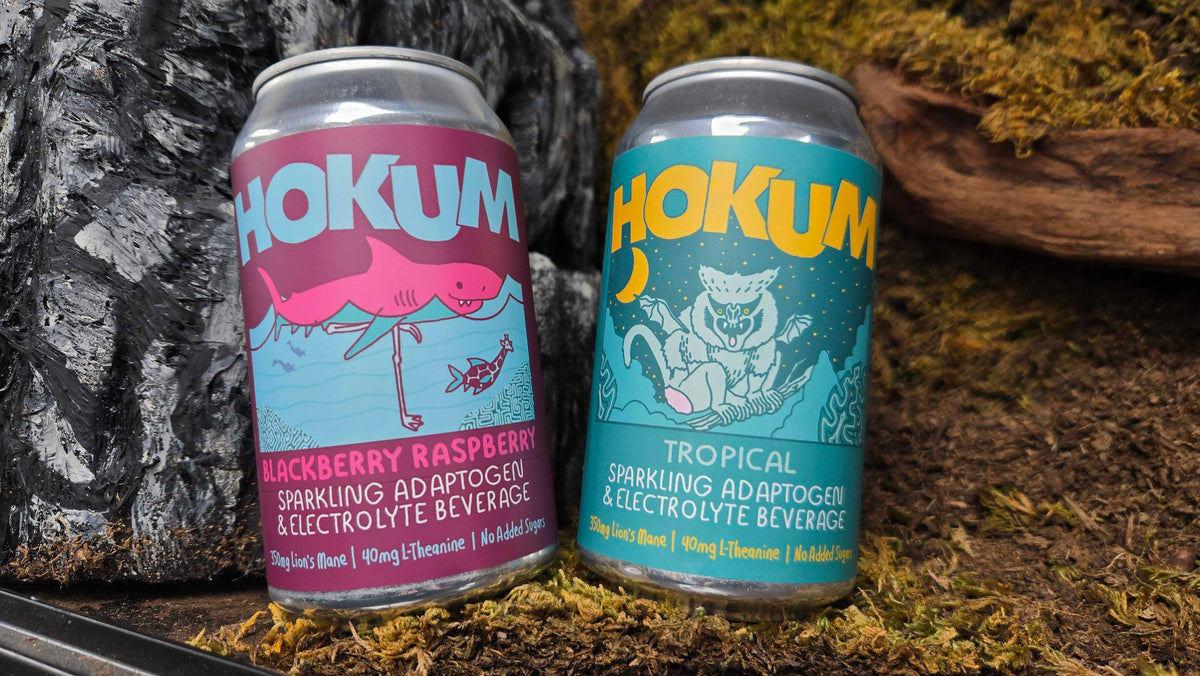
Drink Hokum offers fruit-flavored functional beverage options and mixers for consumers exploring non alcoholic alternatives. Its product range reflects growing interest in beverages that combine distinctive flavors with selected functional ingredients.
Contact Us to learn more about Drink Hokum, its available beverages, ingredient information, or product options, visit the company's official website and Contact Us page.
Frequently asked questions
1. What are ready-to-drink beverages?
Ready-to-drink beverages are packaged drinks prepared for immediate consumption. They include flavored water, energy drinks, functional beverages, and other refreshments. Their main advantage is convenience because no additional preparation is necessary.
2. Are drink mixers healthier than ready-to-drink beverages?
Neither format is inherently healthier. Nutritional quality depends on ingredients, serving sizes, sugar content, and functional additives. Consumers should compare product labels rather than assuming one format offers better health benefits.
3. What is the main difference between drink mixers and ready-to-drink beverages?
Ready-to-drink products are consumed directly from their packaging. Drink mixers require combining a concentrate or powder with another liquid. Mixers generally provide more preparation flexibility, while ready-to-drink products prioritize immediate convenience.
4. Can I use non alcoholic drink mixers with sparkling water?
Many non alcoholic drink mixers can be combined with sparkling water to create flavored refreshments. The suitability depends on the specific product instructions. Using chilled sparkling water can provide a carbonated alternative without adding alcohol.
5. Are sugar free drink mixers suitable for everyday use?
Some sugar free drink mixers may fit into everyday beverage routines when consumed according to their instructions. Suitability depends on their complete ingredient composition and individual dietary needs. Products containing caffeine or other active ingredients deserve additional attention.
6. Do ready-to-drink beverages provide better hydration?
Hydration effectiveness depends on fluid quantity, electrolyte composition, and individual circumstances rather than beverage packaging. Properly prepared mixers and ready-to-drink beverages can both contribute to fluid intake. Plain water is sufficient for many everyday hydration needs.
7. What should I look for in premium drink mixers?
Look for clear ingredient information, accurate serving instructions, appropriate quality controls, and transparent nutritional claims. Consider flavor preferences and cost per serving. Premium pricing alone does not guarantee better nutritional quality or functional effectiveness.
8. Are zero sugar mixers the same as zero calorie beverages?
No. A zero sugar product is not necessarily calorie-free because other ingredients may contribute calories. Label definitions and permitted claims also depend on applicable regulations. Always review the Nutrition Facts panel before choosing a product.
9. Which beverage format is better for traveling?
Ready-to-drink beverages are useful when immediate refreshment is needed and carrying liquids is practical. Powdered or concentrated mixers can be easier to pack when luggage space matters. Travel restrictions and access to safe drinking water should also influence the decision.
10. Can I include both ready-to-drink beverages and drink mixers in my daily routine?
Yes. Both formats can serve different purposes throughout the day. Ready-to-drink products may suit commuting or outdoor activities, while mixers can be practical at home or work. Choose appropriate servings and consider your overall intake of sugar, caffeine, and other active ingredients.

How to Make a Refreshing Lemon Berry Drink Without Alcohol
A flavorful drink does not need alcohol to make an occasion feel special. Fresh berries, zesty lemons, sparkling...
Read more →
Mango and Tangerine: What Makes This Citrus-Fruit Combination So Refreshing?
Some fruit combinations work because they balance contrasting flavors, and mango and tangerine offer an excellent example. Mango...
Read more →
Green Apple Drink Ideas for Fans of Sweet-and-Sour Flavors
The combination of sweet and sour flavors can make an ordinary beverage feel much more exciting. Green apples...
Read more →