
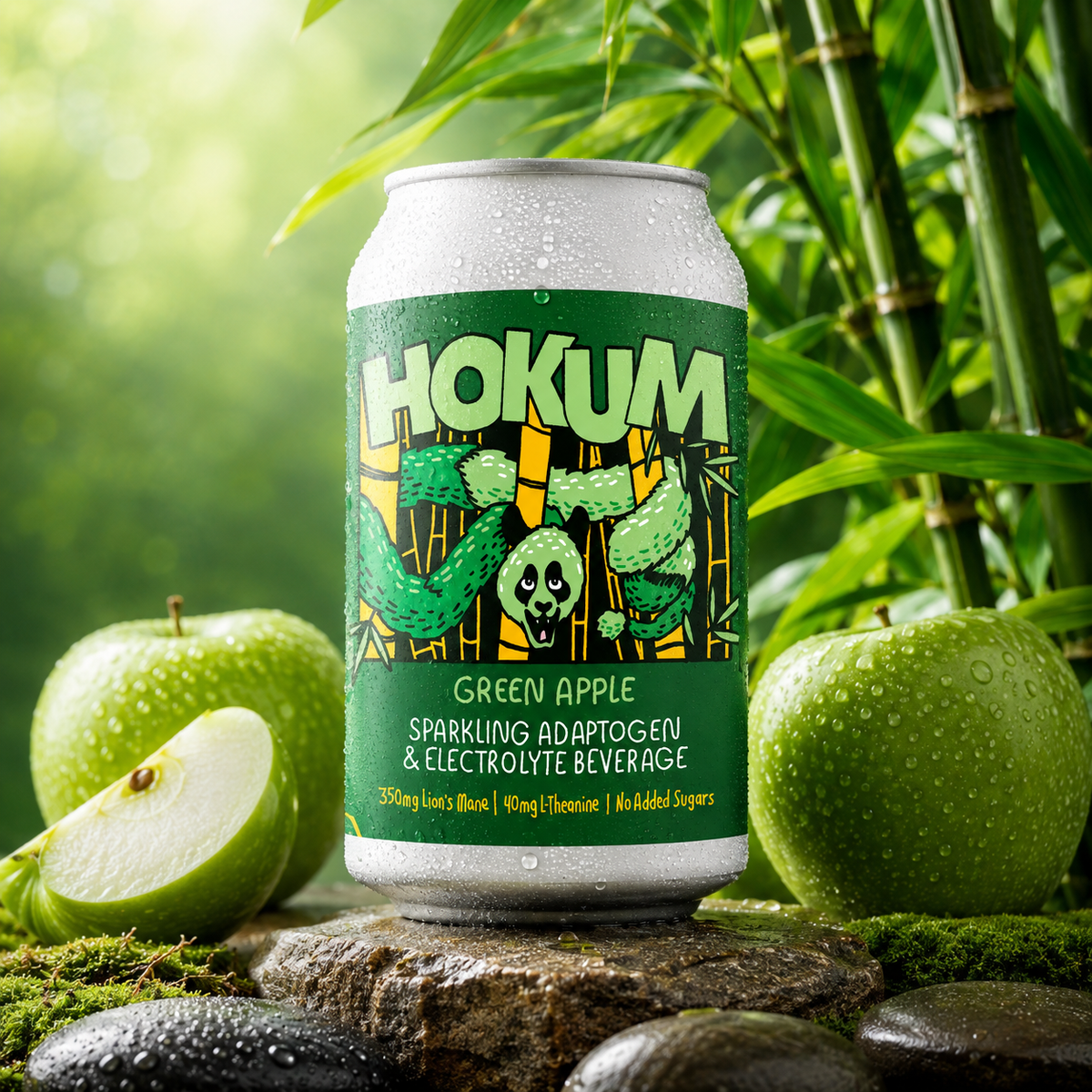
Sour green apple energy drink is having a moment because it hits three 2026 signals at once: intense sour flavor, clean functional energy, and cocktail style experience without alcohol. Non-alcoholic beverages are no longer a compromise. They are a performance category with taste as the lead feature. In the US, non-alcoholic beverage sales grew 7.2 percent in 2023 and continued rising into 2024 as more shoppers chose alcohol alternatives for routine occasions (Circana, 2024). Flavor is driving trial, and sour profiles are especially sticky for Gen Z because they read as bold, playful, and premium. In this guide you will learn what is powering the green apple surge, what formulations win, how to use a green apple drink mix or apple mocktail mixer, and what to avoid when you buy.
Why the sour green apple profile is winning right now?
Sour green apple is not just a flavor. It is a sensory shortcut that signals refreshment, acidity, and “snap.” That matters in non-alcoholic beverages because many consumers want the bite they associate with cocktails, kombucha, or sparkling wine, but they want it without ethanol. Acid plus aroma does that job.
Sour equals “adult refreshment” without alcohol
Acidic profiles map to what people already like in bar-style drinks: citrus, shrubs, tonic bitterness, and bright carbonation. Green apple adds a candy edge that makes it approachable for people who do not like bitterness. It also pairs well with caffeine and adaptogens because it covers off-notes from botanicals.
Gen Z taste culture rewards intensity
Flavor trends in 2026 are increasingly “high contrast” and “high impact.” The same cultural pattern that boosted spicy beverages and salty sweet snacks is pushing sour. Green apple performs well in limited editions because it communicates novelty even when the functional stack is familiar.
Formulation advantage: acids support stability and taste
Acid systems such as citric acid and malic acid can improve flavor brightness and help certain preservatives and sweeteners perform predictably. Malic acid in particular reinforces the “green apple” signature. The result is a cleaner hit with fewer calories, which supports demand for sugar free options.
The market forces behind the trend in 2026
The growth is not random. It is the convergence of macro health behavior, retail changes, and functional demand. People are building daily “stacks” that mix hydration, energy, and mood support. Drinks are the easiest delivery format.
Energy demand is still climbing, but sugar is out
Energy is a daily utility now. In the US, energy drink sales rose about 13 percent in 2023 with continued momentum into 2024 (NIQ, 2024). At the same time, shoppers are checking labels harder. Globally, over 50 percent of consumers say they are trying to limit sugar (IFIC Food and Health Survey, 2023). Sour green apple lets brands go sugar free without tasting flat because acidity creates perceived sweetness.
Non-alcoholic occasions expanded beyond January
Non-alcoholic used to spike during Dry January. In 2026, it is a year-round habit driven by training blocks, work performance, and social clarity. The category is also getting better shelf placement, more cold vault slots, and more variety in convenience stores. That means flavors that pop on first sip win repeat.
Functional beverage shoppers are trading up
Consumers are more willing to pay for a drink that does something measurable. The global functional beverage market was valued at about 129 billion dollars in 2023 and is projected to keep growing through the decade (Grand View Research, 2024). Green apple is trending because it reads as “modern functional” rather than “old school soda.”

What people want from a sour green apple energy drink in 2026?
Flavor brings them in. Function keeps them. In 2026, the best products are built around a tight promise: clean energy, mental clarity, and hydration without a crash.
Performance energy that feels smooth
Caffeine is still the backbone. Evidence continues to support caffeine for alertness and performance, with typical effective doses around 75 to 200 milligrams depending on tolerance and timing. Many consumers now prefer blends that reduce harshness, such as pairing caffeine with L-theanine, which has been studied for smoothing subjective stimulation when combined with caffeine (Nutrients, 2016).
Hydration plus “spark”
Electrolytes moved from sports into everyday. The “hydration plus energy” hybrid is growing because it fits commuting, office days, and gaming. Green apple works here because it signals crisp and cold, which people associate with hydration.
Low sugar and low calorie as default
Sugar free is no longer niche. It is a baseline expectation for energy drinks in many channels. The more sour the profile, the easier it is to deliver a satisfying taste using non-nutritive sweeteners or reduced sugar without sacrificing impact.
Ingredient and format playbook for green apple drink mix and ready-to-drink
In 2026, the “format war” is real. Consumers choose between ready-to-drink cans, powdered sticks, concentrates, and mocktail mixers. Each format has a role depending on lifestyle and cost.
Green apple drink mix vs sugar free green apple drink mix
A green apple drink mix is often a powder stick or tub designed for portability. A sugar free green apple drink mix typically uses sweeteners like stevia, sucralose, monk fruit, or blends. Sour systems matter because they shape the taste curve and reduce aftertaste. If you want the sharpest “green apple candy” hit, look for malic acid higher in the ingredient list, but confirm it is balanced to avoid enamel irritation for frequent sippers.
Apple mocktail mixer as the bridge between energy and social
An apple mocktail mixer is usually a concentrate or syrup built for sparkling water and ice. In 2026, many consumers use mixers to create ritual without alcohol. You can combine an apple mocktail mixer with a functional base like a sugar free energy drink, but you should watch total acidity and sweetener stacking to avoid an overly sharp finish.
Ready-to-drink cans: the convenience premium
RTD is about instant gratification and consistent dosage. It is easier to control caffeine intake because you know the amount per can. The downside is cost per serving can be higher than powders. If you train or travel, RTD is still the fastest option.


Data check: how sour green apple compares to other non-alcoholic flavor directions
Flavor alone does not win. It wins when it matches a use case. The table below summarizes what sour green apple tends to deliver compared with other common non-alcoholic profiles in 2026.
|
Flavor direction |
What it signals |
Best use case |
Formulation notes |
|---|---|---|---|
|
Sour green apple |
High energy, crisp refresh, “cocktail bite” |
Work focus, gym pre, nightlife alternative |
Malic acid is key. Sour helps sugar free taste fuller. |
|
Citrus yuzu lemon lime |
Clean, bright, sporty |
Hydration, all day sipping |
Can taste thin if sweetness is too low. |
|
Berry acai |
Wellness, antioxidants, familiarity |
Daily functional routine |
Often needs aroma boost to feel premium. |
|
Cola root beer style |
Comfort, nostalgia |
Meal occasions, soda swap |
Spice notes can clash with nootropics. |
|
Tropical mango pineapple |
Fun, vacation, sweet escape |
Social sipping, post workout treat |
Harder to keep “sharp” without more sugar. |
Takeaway: sour green apple is the fastest route to “serious refreshment” without alcohol. It is also one of the easiest profiles to execute in a sugar free build because sourness adds body.
How to choose the right product when you buy apple juice drink options?
Search results can be messy because “apple juice drink” can mean anything from 100 percent juice to sweetened juice beverage to carbonated energy. In 2026, smart buying is about matching your goal, then reading the nutrition panel like a performance spec sheet.
Check sugar and calories against your frequency
If you drink one can occasionally, sugar matters less than if you drink it daily. The American Heart Association recommends limiting added sugar to 25 grams per day for women and 36 grams per day for men (AHA, updated guidance referenced widely through 2023 to 2025). If a “juice drink” is giving you 30 grams in one bottle, it is a sugar event, not a functional daily habit.
Look for credible dosages, not just buzzwords
Many products name-drop ingredients. In practice, you want transparency. Caffeine should be clearly listed in milligrams. Electrolytes should specify sodium and potassium. If a nootropic blend is included, look for amounts that align with published research ranges rather than proprietary dusting.
Consider timing and tolerance
Edge case: if you are caffeine sensitive, do not chase the highest milligrams. Use half servings or choose a low-caffeine mix. If you work late shifts, choose caffeine earlier and switch to a non-caffeinated green apple mocktail at night to protect sleep.
What changed in 2026 trends and recent developments shaping sour green apple demand?
Three shifts accelerated the trend in 2026: the “sober curious” movement matured into routine behavior, functional beverage innovation improved taste, and retail algorithms started rewarding velocity flavors.
Retail discovery is more algorithmic
In 2026, major e-commerce and delivery apps increasingly rank products based on repeat purchase rate and review velocity. Sour green apple performs well because it creates an immediate reaction and strong review language. This matters because discovery is less about brand and more about fast social proof.
Better sweetener systems reduced the sugar free penalty
Brands are using improved sweetener blends and flavor modulators to reduce metallic aftertaste. Sour profiles benefit most because acidity masks sweetener edges. That is one reason sugar free green apple drink mix products are growing faster than softer flavors.
Mocktail culture is now functional
In 2026, mocktails are not only about removing alcohol. They are about adding benefits such as energy, electrolytes, and mood support. Green apple is ideal because it pairs with carbonation, salt rims, and herb notes like mint and basil.


Practical recipes: turn sour green apple into a zero proof ritual
If you want the benefits of a sour green apple energy drink with the vibe of a bar build, these templates are simple and scalable. They also work for hosting because you can batch the non-caffeinated base and let guests add energy if they want it.
High focus green apple spritz
This reduces sweetness, increases aroma, and keeps the sour crisp. It also lowers caffeine concentration per sip if you drink it slowly.
Apple mocktail mixer “club” build
This is the social option. Add a caffeine free green apple drink mix if you want more intensity without stimulants.
Sugar free green apple hydration build
Use this when you want crisp flavor without an energy hit. It is also a smart late-day option.
Conclusion
Sour green apple is trending because it is engineered for modern non-alcoholic life: bold taste, fast refreshment, and functional utility. In 2026, the winners are the products that deliver clean energy, low sugar, and a ritual you actually want to repeat.
If you want to build a sharper zero proof routine, start by choosing one product for focus and one for social occasions. Then lock your dosage, timing, and hydration stack for two weeks and track energy and sleep.
Drink Hokum is building the next generation of functional flavor. If you want help choosing the right sour profile, dial in a sugar free green apple drink mix strategy, or develop an apple mocktail mixer ritual for your team, contact us through our website contact page.
Frequently asked questions
What is a sour green apple energy drink and why is it different from apple soda?
A sour green apple energy drink typically includes caffeine and sometimes nootropic or performance ingredients, plus a high-acid green apple flavor system. Apple soda is usually a sweet carbonated beverage without functional dosages. The energy version is built for alertness and routine performance use.
Why is sour green apple trending in non-alcoholic beverages in 2026?
It delivers cocktail-like bite without alcohol and performs well in sugar free formulas. It also aligns with Gen Z preference for intense flavors and strong sensory identity. Retail discovery systems reward flavors that generate fast repeat and strong reviews.
Is a green apple drink mix healthier than a canned energy drink?
Not automatically. A green apple drink mix can be lower cost and easier to dose, but it may still contain high caffeine or sweeteners. Compare caffeine, added sugar, and electrolyte amounts per serving to decide what fits your goals.
What should I look for in a sugar free green apple drink mix?
Check sweetener type and total caffeine per serving first. Look for clear labeling of acids, electrolytes, and any functional ingredients. If you are sensitive to aftertaste, choose blends and consider diluting slightly more than suggested.
Can I use an apple mocktail mixer with an energy drink?
Yes, but be careful with total acidity and sweetness. Use small mixer amounts and top with sparkling water to keep it balanced. If the energy drink is already sour, the mixer can push it into harsh territory.
When is the best time to drink a sour green apple energy drink?
Most people do best earlier in the day or 30 to 60 minutes before training, depending on caffeine response. Avoid late consumption if caffeine affects your sleep. If you want the ritual at night, use a caffeine free green apple drink mix or mocktail build.
Should I avoid sour energy drinks if I have acid reflux or sensitive teeth?
If you have reflux or enamel sensitivity, acidic beverages can be irritating. Reduce frequency, drink with food, and avoid slow sipping for hours. Consider lower-acid mixers or less sour flavors if symptoms flare.
How much caffeine is typical in a sour green apple energy drink?
Many energy drinks fall in the range of 100 to 200 milligrams per serving, but it varies widely. Always check the label because “small can” does not always mean “low caffeine.” If you are new to caffeine, start with 50 to 100 milligrams.
Is “buy apple juice drink” the same as buying apple juice?
No. Apple juice is typically 100 percent juice, while an apple juice drink often includes added water, sweeteners, and flavors. If you want lower sugar, read the ingredients and nutrition panel carefully before you buy.
What flavors pair best with sour green apple in non-alcoholic drinks?
Lemon, lime, ginger, mint, cucumber, and light salinity pair well because they reinforce crispness. Berry can work but often softens the sour edge. Vanilla and creamy notes usually clash with the green apple acid profile.

Leave a comment
This site is protected by hCaptcha and the hCaptcha Privacy Policy and Terms of Service apply.