
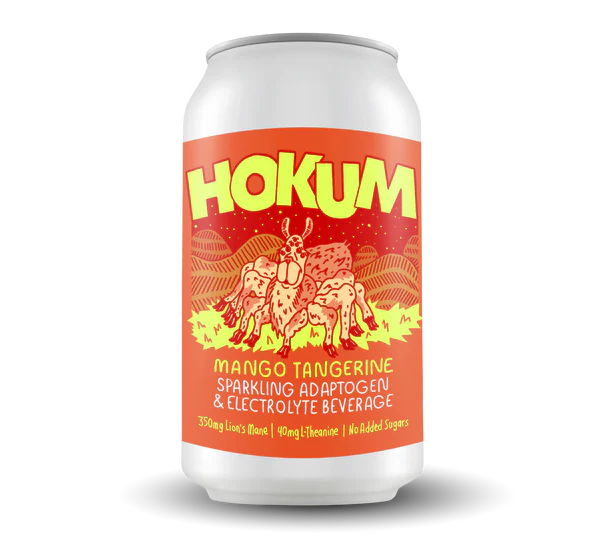
Mango drinks non alcoholic are no longer “just juice.” They are showing up as premium, functional, zero proof alternatives with cleaner labels, smarter sugar strategies, and global flavor credibility. Here is the signal: the non alcoholic category is still expanding fast, with the U.S. nonalcoholic beverage market forecast to reach $510B by 2028(Mintel, 2024). At the same time, consumers are moderating alcohol at scale, with 41% of Americans saying they are trying to drink less alcohol (Gallup, 2024). Mango sits at the intersection of these shifts: indulgent taste, “exotic” positioning, and strong compatibility with performance ingredients. In this guide, you will learn what is driving premiumization, what is changing in 2026, how brands formulate, and how to pick and shop mango drinks onlinewithout getting played by sugar and “natural” claims.
The premium mango wave is a real category shift, not a fad
Premium beverage growth is being powered by two macro forces: premiumization and substitution. Consumers are buying fewer, better drinks, and replacing alcohol occasions with elevated non alcoholic options. Mango wins because it delivers immediate sensory payoff, even when you reduce sugar or remove alcohol.
What “premium” means in mango drinks now
In 2026, premium mango drinks are defined by measurable signals, not vibes. Look for higher fruit content, clearer provenance (Alphonso, Kesar, Ataulfo), functional additions that match the use case (focus, hydration, calm), and packaging that protects flavor (amber glass, coated cans, aseptic cartons).
Why mango specifically fits premiumization
Mango is globally familiar but still reads as “exotic” in many Western premium contexts. It also has natural aromatic complexity, which helps brands deliver a “cocktail-like” experience without alcohol. That is exactly what premium buyers want: complexity, not syrup.
The demand engine: zero proof culture + global flavors
Premium markets are not only growing, they are reorganizing. Non alcoholic is moving from “substitute” to “first choice.” Mango rides that wave because it pairs with spice, botanicals, tea, and functional stacks without getting lost.
Alcohol moderation is now mainstream behavior
Premium shoppers are reducing alcohol for health, sleep, training, and productivity. In the U.S., 41% report trying to drink less (Gallup, 2024). In the UK, 16% of adults reported being teetotal(Office for National Statistics, 2024). The result is more “replacement occasions,” where mango-forward zero proof serves the role that spritzes or flavored RTDs used to play.
Global flavor adoption is accelerating
Mango travels well across cuisines and formats. It can signal tropical refreshment, South Asian authenticity, Latin fruit culture, or modern functional energy depending on how it is built. Premium brands are increasingly combining mango flavoured drinks with yuzu, chili, ginger, jasmine tea, calamansi, or tamarind to create a layered profile that justifies higher price points.
What is changing in 2026: sugar strategy, functional stacks, and label scrutiny
May 2026 is a different market than 2022. Consumers are more label literate, retailers are tightening shelf standards, and “better-for-you” must be engineered, not claimed. Mango benefits because it can taste indulgent even when you reformulate.
Trend: lower sugar without the “diet” taste
Shoppers still want sweet, but they want control. U.S. Dietary Guidelines recommend limiting added sugars to less than 10% of daily calories(USDA HHS, 2020). Premium brands respond by lowering added sugar, using acid balance, adding small amounts of salt, and leveraging fruit aromatics. Many also use blends like mango plus passionfruit or citrus to boost perceived sweetness with less actual sugar.
Trend: function is getting more specific
Broad “wellness” is out. Precise outcomes are in. Mango is being used as the flavor chassis for:
Energy is still huge. The global energy drink market is projected to reach $108.4B by 2031(Grand View Research, 2024). Premium mango energy or “clean caffeine” drinks are taking share by upgrading flavor, ingredients, and design.
Trend: packaging and claims are under pressure
In 2026, “natural” and “no preservatives” claims are being scrutinized harder by consumers and retailers. Brands are investing in stability: better thermal processing, aseptic filling, or high-pressure processing (HPP) where feasible. If a brand claims “no added sugar,” the rest of the label better support it.

The product blueprint: how premium mango drinks are formulated to taste expensive
Premium taste is engineered through balance: sweetness, acidity, aroma, mouthfeel, and finish. Mango is forgiving, but premium mango is precise. If you are building an exotic mango drink or evaluating one, these are the tells.
Flavor architecture that works in premium
Functional add-ins that pair well with mango
Mango is an elite masker for certain functional notes. That is why it shows up in performance formulations. Examples:
Where “mango mixed drinks” is heading (non alcoholic)
In premium markets, mango mixed drinks increasingly means zero proof cocktail formats: mango spritz, mango paloma riffs, mango chili cooler, or mango tea highball. The play is to deliver bar-level complexity with less sugar and no ethanol.
Data check: how mango wins versus other premium flavors
Premium buyers compare options fast. Mango competes with citrus, berry, and “botanical” flavors, but it often wins on perceived indulgence. The table below breaks down practical tradeoffs for product builders and shoppers.
|
Flavor family |
Premium cue |
Formulation risk |
Best use case |
|---|---|---|---|
|
Mango |
Exotic, lush aroma, “vacation” signal |
Can drift into syrupy if sugar is high |
Zero proof cocktails, hydration, functional energy |
|
Citrus (lime, yuzu) |
Sharp freshness, “clean” positioning |
Acid can become harsh, needs sweet balance |
Sparkling refreshers, low-cal options |
|
Berry |
Familiar, “antioxidant” halo |
Often relies on color and flavorings |
Everyday RTD, mass premium |
|
Botanical (hibiscus, elderflower) |
Craft, adult sophistication |
Polarizing floral notes |
Aperitif-style zero proof |
Macro data supports the shift to premium zero proof contexts where mango can shine. The global non-alcoholic drinks market was valued at $1.3T in 2023(Statista, 2024), and premium segments are expanding faster than mainstream in many metros due to “trade up” behavior. Mango’s advantage is that it can carry both indulgence and function without tasting medicinal.
Where this goes next: 2026 to 2028 outlook for premium mango
Premium mango is moving beyond flavor into platform. The next winners will treat mango as a modular base across multiple functional SKUs and retail channels. Expect more crossovers: mango plus adaptogen-style botanicals, mango plus electrolytes with transparent dosing, and mango-forward zero proof “bar builds” designed for at-home mixology.
Conclusion
Premium beverage markets in 2026 are rewarding drinks that feel indulgent, functional, and intentional. Mango is rising because it can deliver all three with the right formulation and positioning.
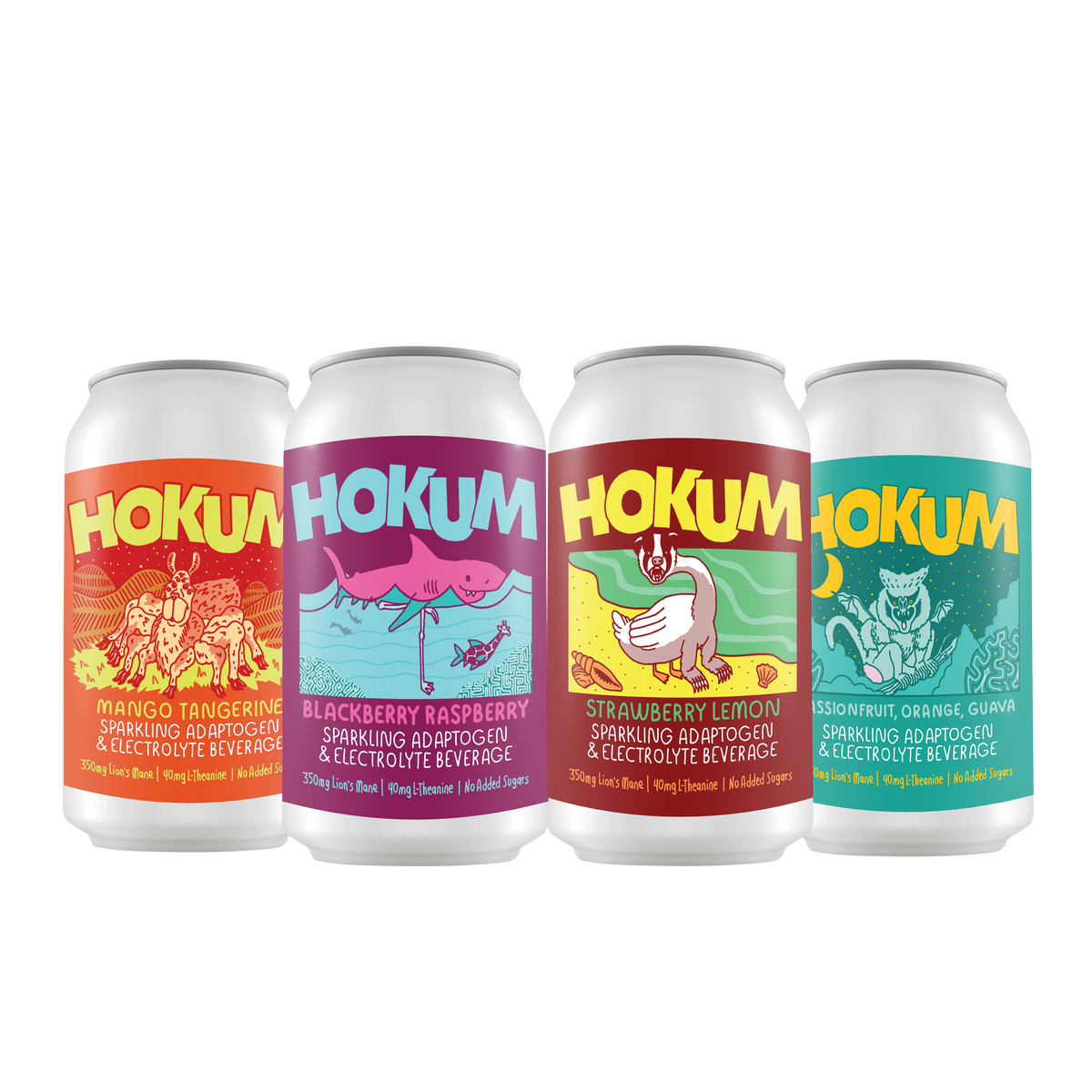
If you are building your next premium mango lineup or upgrading what you sip day to day, aim for precision: purpose, formulation, and proof on the label. Drink Hokum is building the next wave of futuristic function-first flavor. Want help choosing the right mango functional stack or sourcing a premium-ready concept?
Frequently asked questions
What are mango drinks non alcoholic?
Mango drinks non alcoholic are beverages flavored primarily with mango juice, puree, extracts, or natural flavors that contain no ethanol. In premium markets they often include sparkling water, tea, botanicals, or functional ingredients for hydration, energy, or focus.
Why are mango drinks non alcoholic becoming premium in 2026?
Premiumization and alcohol moderation are expanding zero proof occasions, and mango delivers a rich, cocktail-like flavor without alcohol. Consumers are also demanding better labels and smarter sugar, which mango can support because it tastes indulgent even in reduced-sugar builds.
Are mango flavoured drinks healthy?
It depends on sugar and formulation. Check added sugar grams per serving and whether the drink is positioned as juice, soda, or functional. If you want “better-for-you,” prioritize options with lower added sugar and clear functional dosing.
What is an exotic mango drink, and how is it different?
An exotic mango drink usually signals either a mango varietal focus (like Alphonso) or a premium flavor pairing such as chili, yuzu, ginger, or tea. The goal is layered aroma and a more adult finish, not just sweetness.
Do mango mixed drinks always mean cocktails?
No. In 2026, mango mixed drinks often refer to zero proof cocktail-style blends that use mango with botanicals, citrus, spice, or tea. Many are designed to replace RTD alcoholic drinks in social settings.
How can I shop mango drinks online and avoid low-quality options?
Start by checking the ingredient list for real mango juice or puree, then verify added sugar and any functional claims like caffeine mg or electrolyte amounts. Buy a variety pack first, and avoid committing to a subscription until you know the flavor and effect match your use case.
Should I choose sparkling or still mango drinks?
Sparkling mango drinks feel more like a zero proof cocktail and can taste less sweet due to carbonation bite. Still mango drinks can deliver more body and “juice-like” satisfaction, but they can also hide higher sugar more easily.
Can mango drinks non alcoholic work as a workout beverage?
Yes, if the formula is built for hydration with meaningful electrolytes and not just sugar. Look for sodium and potassium levels that are clearly listed and a calorie profile that matches your training goals.
When is the best time to drink a mango functional beverage?
Match timing to function. Mango plus caffeine fits morning or pre-work sessions, while mango plus magnesium or tea-forward blends can work for late afternoon or evening zero proof occasions. Always check caffeine content if you are sensitive or drinking late.
Are there any downsides to drinking mango flavoured drinks daily?
The main risk is cumulative sugar intake if you choose sweetened options. Also watch total caffeine if you use mango energy drinks. Rotate formats and prioritize lower added sugar to keep daily intake aligned with your goals.

Leave a comment
This site is protected by hCaptcha and the hCaptcha Privacy Policy and Terms of Service apply.