
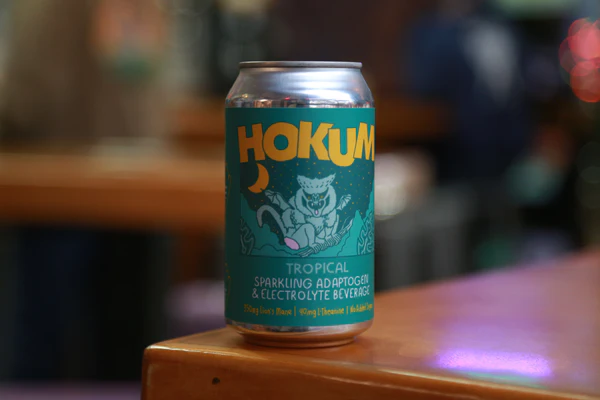
Non alcoholic beverages are no longer a “nice-to-have” alternative. They are reshaping what people buy, what bars stock, and how brands win shelf space. Consider the scale shift: the global no alcohol market is projected to grow at 7% CAGR from 2024 to 2034 (IWSR, 2024), while U.S. consumers continue to report active moderation, including “zebra striping” (alternating alcohol and alcohol free drinks in the same session). The point is simple: modern drinking habits are getting smarter, more functional, and more intentional.
This guide breaks down what is driving the boom, what’s changing in 2026, and how functional drinks like Hokum fit into the new social and performance economy. You will learn the real business drivers, ingredient and flavor innovation trends, and practical ways to build an alcohol free routine that actually delivers benefits, not just vibes.

What is powering the rise of non alcoholic beverages right now?
The shift is not one trend. It is a stack of forces that compound each other: health priorities, social rewiring, and better products. The “soda vs. beer” framing is dead. Today’s alcohol free drinks compete with energy drinks, coffee, hydration, and even supplements.
Health, longevity, and the new performance mindset
Consumers are increasingly treating alcohol as a cost center: sleep debt, next day anxiety, training regression, empty calories. In the U.S., 45% of adults said they planned to drink less alcohol in 2024(Gallup, 2024). That mindset did not reverse in 2025 to 2026, it matured into consistent moderation habits.
Social life without compromise
Non alcoholic beverages win when they let people stay in the room. The best alcohol free drinks preserve ritual: cracking a can, a bitter bite, layered aromatics, and adult flavor profiles. That is why “sophisticated NA” is outgrowing “sweet NA.” Consumers want complex, not childish.
Product quality finally caught up
Better flavor systems, improved botanical extraction, and a new wave of functional formulations have made lifestyle beverages feel legitimate. The category is also benefiting from premiumization: NA buyers are often willing to pay for taste, function, and brand credibility.
How Hokum-style functional drinks are rewriting alcohol free drinks?
There is a difference between “alcohol removed” and “alcohol replaced.” The biggest winners in 2026 are not only mimicking beer, wine, or spirits. They are building new value: focus, energy, calm, hydration, and social confidence.
From abstinence to optimization
Functional drinks align with how Gen Z and millennials already live: wearables, training blocks, sleep scores, productivity sprints. The consumer question is shifting from “What am I avoiding?” to “What am I upgrading?” That is the core reason non alcoholic beverages are expanding into daytime and weekday occasions, not just nights out.
Nootropics and adaptogens are becoming “format-native”
In 2026, consumers expect function to be integrated, not bolted on. That means more thoughtful dosing, better taste masking, and clearer on-pack communication. But it also means restraint. Brands that win avoid the “kitchen sink” formula and instead build a focused benefit stack.
What functional credibility looks like?
Trust is built with three signals: transparent labeling, evidence-aligned ingredients, and realistic claims. For example, caffeine performance is well-documented, while other ingredients may have emerging but mixed evidence. The brands growing fastest are the ones that tell the truth clearly, then deliver an experience people feel within one session.

2026 beverage trends changing the industry (and what it means for you)
May 2026 is a different landscape than even 2023. The category is more crowded, but also more standardized. Retailers are carving out dedicated alcohol free sets, and bars are building full NA menus, not token mocktails.
Trend 1: “Zebra striping” becomes the default social strategy
Instead of “dry January” only, consumers are building moderation into weekly life. In the U.S., 52% of drinkers said they were trying to drink less alcohol in 2023(NielsenIQ, 2023). The downstream effect is huge: more sessions include at least one alcohol free drink, multiplying occasions for non alcoholic beverages.
Trend 2: Functional is overtaking “just no alcohol”
The fastest shelf velocity is increasingly tied to function: energy, focus, calm, hydration, gut health. This mirrors the macro growth of functional foods and supplements. The broader functional beverage market was valued at USD 204.8B in 2022(Grand View Research, 2023), and that demand is now bleeding into lifestyle beverages that can replace alcohol socially.
Trend 3: Premium flavor innovation wins, not sugar
Consumers want adult flavor architecture: bitterness, botanicals, spice, tea tannins, citrus oils, savory notes. The winners build “culinary” profiles and reduce sweetness. This is also a response to the pullback from high sugar beverages across younger demographics.
Trend 4: Bars and restaurants are professionalizing NA programs
Operators care about margin and throughput. NA drinks that are fast to serve, consistently delicious, and branded sell better than bespoke mocktails that require ten steps. This is why ready-to-drink alcohol free drinks with functional positioning are becoming staples in modern menus.
Data that proves the market shift (and where the growth is coming from)
Category growth is not hype, it is measurable. The data shows expanding demand, accelerating product innovation, and stronger distribution.
Where non alcoholic beverages outperform legacy alcohol
Non alcoholic beverages are winning incremental occasions. Alcohol is still dominant at late-night and celebration peaks, but alcohol free drinks are carving out weekday social, workday, training-adjacent, and “one more round without the regret” moments.
|
Occasion (2026) |
What people want |
Why non alcoholic beverages win |
Best-fit product traits |
|---|---|---|---|
|
Weeknight unwind |
Downshift without sleep damage |
No next-day penalty and easier moderation |
Botanical complexity, low sugar, calm-forward function |
|
Workday focus |
Energy + clarity |
Alcohol is incompatible with performance |
Nootropic positioning, clean caffeine, transparent dosing |
|
Socializing at bars |
Ritual + inclusion |
Keeps you in the round without opting out |
Adult flavor, premium branding, ready-to-serve |
|
Fitness and recovery |
Hydration and routine |
Supports training blocks instead of derailing them |
Electrolytes, low calories, minimal additives |
|
“Zebra striping” nights |
Control and longevity |
Maintains pace and reduces total alcohol load |
High sensory satisfaction, can format, bar-friendly |
Flavor innovation: the real battleground for lifestyle beverages
In 2026, flavor innovation is the competitive moat. Consumers have tried enough bland mocktails to know what disappointment tastes like. Winning alcohol free drinks are built like modern culinary products, not diet substitutes.
Why this matters commercially?
Adult flavor increases repeat purchase because it feels “earned,” not chugged. It also pairs with food better, which helps on-premise adoption. For brands like Hokum, flavor architecture is also how you differentiate beyond “no alcohol” into “I actually prefer this.”
Pro tip: build a flavor ladder, not one hero SKU
Offer a progression from accessible to adventurous. This helps bring in new consumers while keeping power users engaged. Many beverage trends in 2026 show that variety packs and rotating limited drops drive trial and improve retention in DTC channels.
Common mistakes to avoid (so your alcohol free routine actually sticks)
Most people try one alcohol free drink, get disappointed, and assume the whole category is weak. The problem is usually strategy, not the category.
Best practice from top operators (bars and retail)
High-performing programs in 2026 treat non alcoholic beverages like premium categories: dedicated menu placement, staff training, and intentional pairing. The best bars describe flavor notes, not morality. That approach sells more alcohol free drinks and keeps the experience inclusive.
What brands and retailers should do in 2026 ?
If you are building, stocking, or marketing non alcoholic beverages in 2026, the game is execution. Distribution is easier than it was, but differentiation is harder.
Operational reality: margins and velocity
Retailers want turns, not theories. Brands should aim for clear shelf communication, strong repeat purchase drivers (flavor plus function), and pricing that supports premium cues without breaking parity. In 2026, many buyers will pay more for non alcoholic beverages if the experience is superior and the benefits are believable.

Conclusion
Non alcoholic beverages are not replacing alcohol by force. They are replacing it by being better aligned with how people live in 2026: performance-first, health-aware, socially connected, and still obsessed with taste.
If you want to upgrade your routine, start with one swap this week and build a ratio that fits your life. And if you want a bold, futuristic take on alcohol free drinks with function-first intent, explore what we are building at Drink Hokum.
Contact us if you are a retailer, bar operator, creator, or just want to learn more, reach out via the contact page at Drink Hokumand tell us your city and your favorite flavor direction.
Frequently asked questions
What are non alcoholic beverages, and are they the same as “zero proof”?
Non alcoholic beverages generally refer to drinks with no alcohol, or very low alcohol depending on local definitions. “Zero proof” typically signals 0.0% ABV positioning, while “alcohol free drinks” can be used more broadly in marketing. Always check the label for ABV if you need strict avoidance.
Why are alcohol free drinks growing so fast in 2026?
Growth is driven by moderation habits, wellness priorities, and better products that deliver adult flavor and function. Data shows many consumers are actively trying to reduce alcohol intake (Gallup, 2024; NielsenIQ, 2023). The category also benefits from premiumization and expanded availability in bars and retail.
Are functional drinks actually effective, or is it just branding?
Some functional ingredients have strong evidence (like caffeine for alertness and performance), while others have emerging or mixed evidence. The most credible functional drinks use transparent labels, realistic claims, and sensible dosing. If a product promises everything, treat it cautiously.
When should I choose a functional drink vs. a classic mocktail?
Choose functional drinks when you want a specific outcome like focus, clean energy, or hydration. Choose a mocktail when the goal is purely taste, pairing, or a crafted bar experience. Many people use both, depending on time of day and social context.
Can I drink non alcoholic beverages every day?
For most people, yes, but it depends on ingredients like caffeine, sweeteners, and botanicals. Watch your total caffeine intake and your sleep response, especially if you drink functional drinks in the afternoon. If you are pregnant, on medications, or managing a condition, ask a clinician about ingredient compatibility.
How do I start drinking less alcohol without feeling left out?
Use a zebra striping plan: alternate alcohol with alcohol free drinks during social sessions. Order your first drink alcohol free to set the pace and reduce social pressure. Choose products with adult flavor complexity so the experience still feels premium.
What should I look for on labels of alcohol free drinks?
Check ABV, sugar grams per serving, caffeine content, and any functional actives. Look for clear, specific language rather than vague proprietary blends. If you are sensitive, also review allergens and any botanical extracts.
Do non alcoholic beverages help with sleep and recovery?
They can, mainly by replacing alcohol, which commonly disrupts sleep architecture and recovery. If the beverage is caffeinated, it can hurt sleep if consumed too late. The best approach is pairing alcohol free drinks with good timing and a consistent wind-down routine.
Are non alcoholic beverages suitable for athletes or people who train hard?
Often yes, especially if the drink supports hydration, low sugar, and predictable energy. Athletes usually benefit from avoiding alcohol around training blocks and sleep windows. For competition, confirm any functional ingredients align with your tolerance and any sport-specific guidance.
What are the biggest beverage trends shaping modern drinking habits after 2026?
Expect more functional convergence, better flavor innovation, and increased on-premise adoption of premium alcohol free menus. Brands will likely compete on transparency, evidence-aligned formulations, and sensory sophistication. Personalization, including caffeine level options and “daypart” SKUs, is also accelerating.

Leave a comment
This site is protected by hCaptcha and the hCaptcha Privacy Policy and Terms of Service apply.