
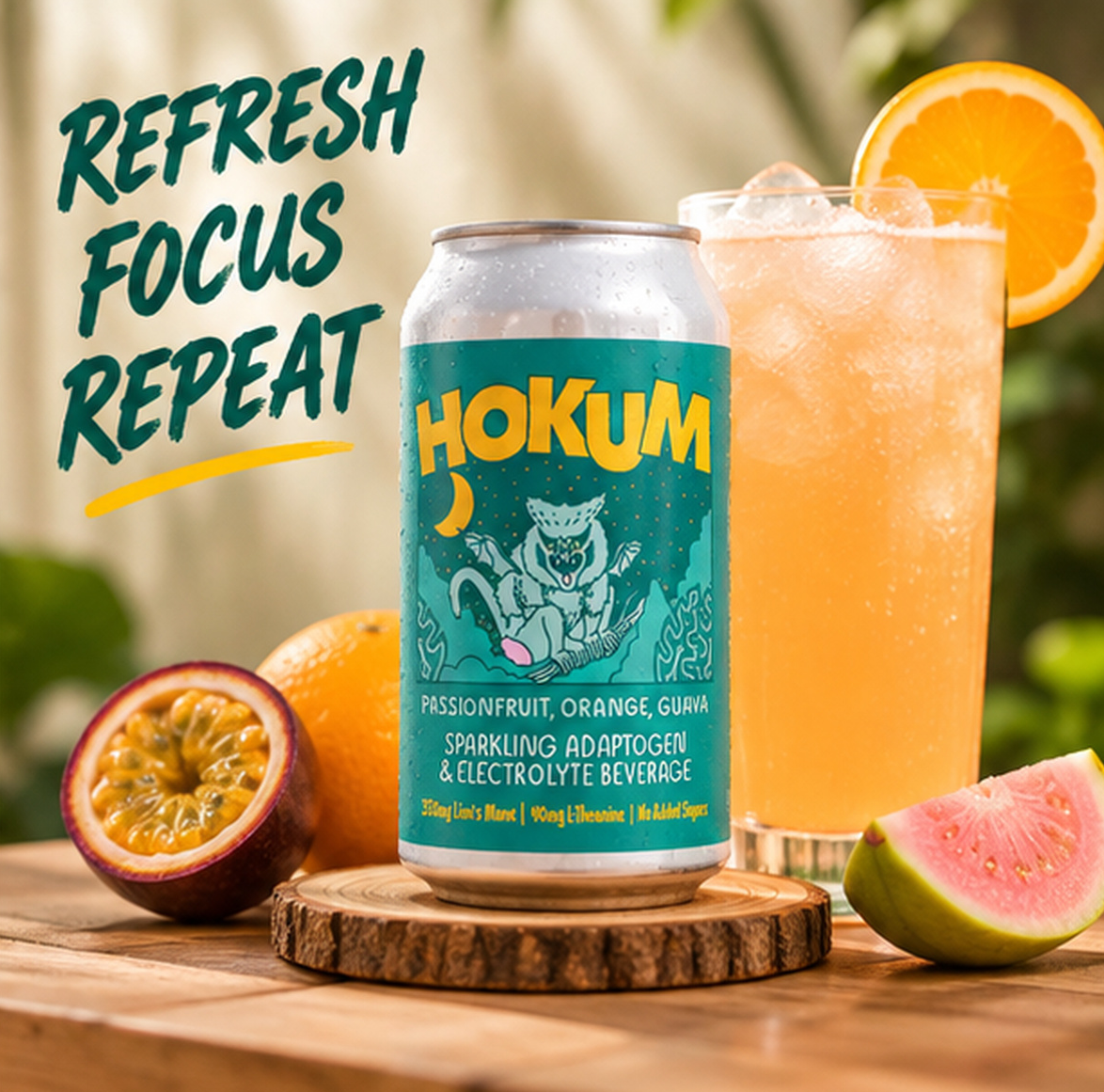
Orange juice drinks are not just breakfast anymore. They are becoming an all day format for hydration focus energy and alcohol free social moments. The shift is measurable: global non alcoholic beverage momentum keeps climbing as consumers cut back on alcohol and chase function. For example, the global no and low alcohol category reached about 13.8 billion dollars in 2022 and is projected to grow at about 7 percent CAGR through 2032(IWSR, 2023). Meanwhile functional and better for you beverages keep taking shelf space as ingredient literacy rises and sugar tolerance drops.
This guide breaks down what modern orange drinks are in 2026, how to choose the right format for your day, what ingredients actually do, and how to avoid common pitfalls like sugar stacking and under dosing. You will also get a practical build your own routine framework and a comparison table you can use when shopping.
Why orange is evolving from juice into a modern drink platform?
Classic orange juice has two big strengths: familiarity and real nutrient density. But modern routines demand more precision. People want options that match performance windows like morning focus, midday hydration, and late afternoon energy without a sugar crash.
From breakfast glass to functional stack
In 2026, orange is increasingly used as a flavor carrier for functional ingredients because it signals freshness and masks bitterness from caffeine botanicals and certain nootropics. This is why you see orange energy drink launches and citrus fruit drink hybrids that blend electrolytes plus low sugar.
Consumer drivers shaping orange drinks right now
Another key factor is supply and price volatility for citrus. Citrus greening disease and climate stress have pressured orange supply in multiple regions. This continues to influence pricing and encourages more orange flavored soft drinks and blended citrus formulations that are not dependent on 100 percent orange juice.
Modern orange juice drinks in 2026: The new categories that matter
Not every orange drink is trying to replace juice. Most are designed for a specific job. Think of this as an operating system with different modules.
1. Orange juice non alcoholic drinks for social occasions
These are adult leaning sparkling orange drinks with layered bitterness or botanical notes. They compete with beer and cocktails not with breakfast juice. They often use carbonated water citrus oils and a small amount of juice for authenticity.
2. Orange flavored soft drinks with better macros
Legacy orange soda is still here. The modern wave adds lower sugar real citrus aroma and sometimes prebiotic fiber. If the label includes inulin or resistant dextrin you are looking at a gut health positioning, but dose matters for outcomes.
3. Orange energy drink formulas for performance windows
Energy drinks are shifting toward more transparent dosing and fewer proprietary blends. In the US, about 31 percent of adults aged 18 to 34 reported consuming energy drinks regularly (CDC, 2022). Orange is a top flavor because it pairs well with caffeine and helps cover acidity and botanicals.
4. Citrus fruit drink hybrids for hydration and recovery
These are the fastest growing utility formats. They typically combine citrus flavor, sodium, potassium, and sometimes magnesium. The best ones clearly label total sodium. For athletes and heavy sweaters sodium is the lever that changes hydration outcomes, not just potassium.
5. Nootropic orange drinks for focus
Focus drinks are moving from hype to evidence. The winning combos are low sugar, moderate caffeine, and evidence backed compounds with reasonable doses. The best products avoid mega stimulant stacks and instead aim for steady attention.
Evidence and benchmarks: What the science says about key orange drink ingredients
Orange flavor is the interface. Ingredients are the engine. In 2026, trust is built with clear dosing and research aligned claims. Here are the evidence grounded levers shoppers should understand.
Caffeine for alertness and performance
Caffeine is still the most reliable acute ingredient for energy and performance. In sport, caffeine has been shown to improve endurance performance in many settings, often in the 3 to 6 mg per kg range depending on the athlete and protocol (International Society of Sports Nutrition, 2021). For daily life drinks, most consumers do better with 75 to 200 mg depending on sensitivity.
L theanine to reduce jitter while preserving focus
Pairing caffeine with L theanine is popular because it can smooth perceived stimulation. Studies have found the combination can improve attention switching and reduce mind wandering compared with caffeine alone in some contexts (Nutritional Neuroscience, 2019). Practical takeaway: look for at least 100 mg theanine when caffeine is 100 to 200 mg.
Electrolytes for hydration that actually works
Electrolyte drinks are everywhere, but many under dose sodium. For most active people, sodium is the primary electrolyte lost in sweat. A solid baseline for a hydration focused citrus fruit drink is often 300 to 700 mg sodium per serving, with higher targets for endurance athletes or heavy sweaters.
Vitamin C and real juice content
Vitamin C is still a valid reason people reach for citrus. One benchmark: a typical 8 ounce serving of orange juice provides about 124 mg of vitamin C(USDA FoodData Central, 2024). Many modern orange drinks use far less juice, so they may not deliver meaningful vitamin C unless fortified.
Added sugar and metabolic load
Consumers want refreshing but do not want sugar spikes. The American Heart Association recommends keeping added sugars to no more than 36 grams per day for men and 25 grams per day for women (AHA, 2023). If your orange juice drink has 20 to 30 grams of added sugar you have burned most of that budget fast.

Comparison table: Picking the right orange drink for your goal
Use this table as a fast decision tool. It is designed for real shopping situations where you have 30 seconds in front of a shelf or delivery app.
|
Drink type |
Best for |
What to check on label |
Typical watch outs |
|---|---|---|---|
|
Classic orange juice |
Micronutrients with breakfast or post workout carbs |
100 percent juice vs from concentrate, serving size, grams of total sugar |
High natural sugar load if you drink 12 to 16 ounces |
|
Orange juice non alcoholic drinks |
Social replacement for cocktails |
Added sugar, acidity, carbonation level, calories per can |
Can be a dessert drink in disguise |
|
Orange flavored soft drinks modern zero or low sugar |
Refreshment with minimal calories |
Sweeteners used, caffeine if any, fiber grams |
Sugar alcohols can cause GI issues for some people |
|
Orange energy drink |
Work blocks, training, long drives |
Caffeine mg, theanine mg, B vitamin dosing, total sugar |
Overstimulation if stacked with coffee |
|
Citrus fruit drink with electrolytes |
Hydration, heat, sports, travel |
Sodium mg, potassium mg, carbs per serving |
Too low sodium equals placebo hydration |
What is changing in 2026: trends reshaping orange juice drinks
May 2026 is a different landscape than pre 2020 beverage. Three trend lines matter most: tighter sugar expectations, higher ingredient transparency, and a more regulatory aware marketing environment.
Trend 1: Lower sugar is no longer a niche
Consumers now treat added sugar like a performance tax. Brands are reformulating and using blends like allulose plus stevia to keep taste. Expect more products at 0 to 5 grams added sugar and more clear front of pack callouts.
Trend 2: Functional claims are getting policed by shoppers and platforms
Retailers and ad platforms are more cautious about unverified claims. Best practice in 2026 is to use structure function language, cite ingredients, and avoid disease claims. Credibility wins distribution.
Trend 3: Citrus supply volatility encourages flavor engineering
Orange pricing and supply pressure has accelerated innovation in orange flavored soft drinks using natural flavors, citrus oils, and blended juice bases. You will see more mandarin tangerine and yuzu blends marketed as premium citrus.
Trend 4: Energy is shifting from maximalist to controlled
Many consumers still want energy, but the preference is moving to controlled stimulation with fewer crash dynamics. That means moderate caffeine, theanine, and hydration support. It also means clearer labeling and fewer mega dose B vitamin stacks that do not translate to felt energy for most users.

Conclusion
If you want a modern citrus stack that feels like the future, build your routine with intention and keep it measurable. Drink Hokum is building performance driven orange forward functional beverages designed for focus hydration and clean energy. Contact us to talk formulations partnerships or retail opportunities at Drink Hokum via your site contact page or customer support email.
Frequently asked questions
What are orange juice drinks and how are they different from 100 percent orange juice?
Orange juice drinks usually contain some amount of orange juice or orange flavor plus other ingredients like water sweeteners carbonation caffeine or electrolytes. 100 percent orange juice is only juice and has naturally occurring sugars and nutrients. The best choice depends on whether you want nutrients, hydration, energy, or a low calorie refreshment.
Are orange juice non alcoholic drinks healthier than orange soda?
Sometimes, but not always. Many orange juice non alcoholic drinks are positioned as adult refreshers and may still contain significant added sugar. The label check is simple: compare added sugar grams and calories per serving, then decide based on your routine goals.
Which orange energy drink ingredients actually help focus?
Caffeine is the most reliable ingredient for alertness and performance (ISSN, 2021). Many people also prefer L theanine alongside caffeine for a smoother focus profile (Nutritional Neuroscience, 2019). Look for transparent dosing rather than vague proprietary blends.
How much caffeine is too much if I drink an orange energy drink?
It depends on your sensitivity body size and other caffeine sources. A common practical range is 75 to 200 mg per serving for most adults, but stacking with coffee can push you into jitter territory fast. If you get anxiety or sleep disruption reduce dose and avoid late day use.
What should I look for in a citrus fruit drink for hydration?
Start with sodium because it is the key electrolyte lost in sweat. Many effective products land around 300 to 700 mg sodium per serving, adjusted for your sweat rate and heat exposure. Also check sugar because high sugar can feel heavy during training.
Can I drink orange flavored soft drinks every day if they are zero sugar?
For many people, zero sugar orange flavored soft drinks can fit daily, especially as a replacement for high sugar soda. If the drink uses sugar alcohols or high fiber, watch for bloating. Also keep an eye on caffeine if it is included.
Is orange juice still good for you in 2026?
Yes, especially for vitamin C and as a convenient carb source around workouts. A typical 8 ounce serving provides about 124 mg vitamin C (USDA FoodData Central, 2024). The main downside is the sugar load if portions creep up, so portion control matters.
What are the biggest mistakes people make when switching from juice to modern orange drinks?
The biggest mistakes are sugar stacking, underestimating caffeine, and assuming electrolytes are meaningful without checking sodium. Another common issue is choosing highly acidic carbonated drinks if you have reflux. A simple routine audit fixes most of this in a week.
When should I choose an orange juice drink with carbs versus a low sugar option?
Choose carbs when you have output: post workout, long runs, or when you are under fueled. Choose low sugar when you are mostly sedentary or when you want hydration and focus without a glucose spike. Matching carbs to activity is a high leverage upgrade.
Should I rotate different orange drink types during the week?
Yes, rotation helps you avoid over relying on one lever like caffeine or sugar. Many people do best with one hydration focused citrus fruit drink, one controlled orange energy drink, and optional non alcoholic orange refreshers for social occasions. It keeps your routine functional and flexible.

Leave a comment
This site is protected by hCaptcha and the hCaptcha Privacy Policy and Terms of Service apply.