
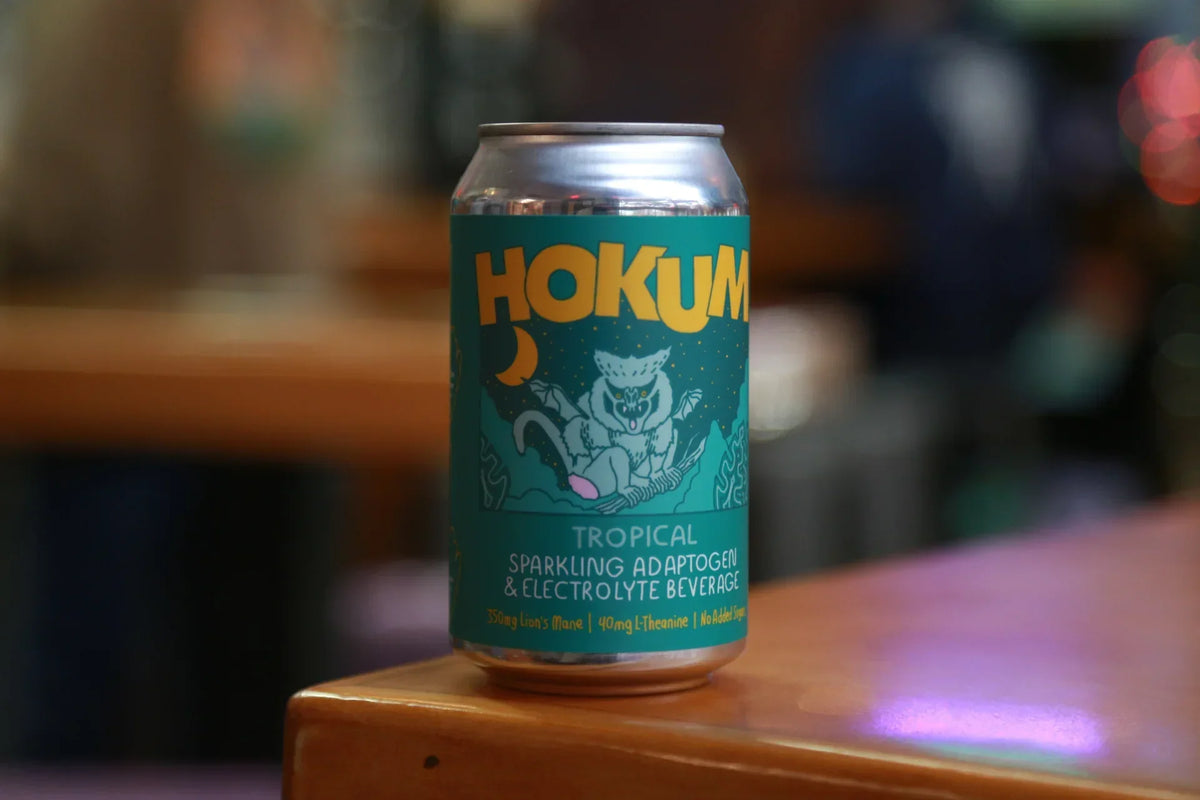
Passionfruit guava juice stands apart because it combines two tropical fruits with remarkably complex flavour profiles. Passionfruit brings bright acidity, floral notes and an intense tropical character. Guava adds softer sweetness with fruity, green and floral dimensions. Together, they create a layered flavour that can feel refreshing without relying on a one-dimensional sweet taste.
That combination is especially relevant in the modern functional beverage category. Consumers increasingly expect drinks to deliver more than flavour. They look at hydration, added sugar, caffeine, functional ingredients and how a beverage fits into work, fitness and social routines.
In 2026, this shift continues to push beverage developers beyond conventional soda-style formulas. Tropical flavours can provide a strong sensory foundation for drinks designed around energy, focus and everyday performance. However, fruit flavour alone does not make a beverage functional. The complete ingredient list and nutrition profile determine what a drink actually delivers.
Why passionfruit and guava work so well together?
The distinctive character of this combination begins with contrast. Passionfruit is generally intense, acidic and highly aromatic. Guava can be sweeter and rounder with floral, fruity and fresh green notes.
When formulated well, the two fruits balance each other. Passionfruit creates the initial impact. Guava fills out the middle of the flavour experience and gives the drink a fuller tropical profile.
Passionfruit delivers aromatic intensity
Passionfruit has a surprisingly complex aroma system. A 2021 study published in Food Chemistry examining purple passionfruit during ripening identified 148 volatile organic compounds. Researchers reported significant changes in 85 volatile compounds as the fruit developed, including esters, alcohols, ketones, hydrocarbons and aldehydes.
This helps explain why passionfruit can deliver much more sensory complexity than a simple sweet fruit flavour.
Its aromatic character can include:
• Bright tropical fruit notes
• Sweet fruit aromas
• Citrus-like freshness
• Floral characteristics
• Fresh green notes
This aromatic complexity is one reason passionfruit works so effectively in beverages. A drink can smell vibrant before the first sip, which influences the overall sensory experience.
Guava creates depth and balance
Guava brings its own complex aroma chemistry. A 2024 study in Food Chemistry: Molecular Sciences identified 90 volatile organic compounds in guava across different stages of fruit development. Researchers found that esters and alkanes were important contributors in the flesh, while terpenes and esters played major roles in flavour development in the peel.
A 2025 analysis of 27 guava genotypes identified 63 volatile compounds. These included benzaldehydes, 1,8-cineole and beta-caryophyllene, among other compounds associated with differences in guava aroma.
This means a guava juice drink is not necessarily defined by sweetness alone. Guava can contribute fruity, floral, green and citrus-like dimensions depending on the variety, ripeness and processing method.
What creates the distinctive flavour of passionfruit guava juice?
Flavour is not simply what the tongue detects. Aroma, acidity, sweetness, temperature and texture interact to shape the overall drinking experience.
This interaction becomes particularly important with tropical fruit combinations.
|
Characteristic |
Passionfruit |
Guava |
Effect in the blend |
|---|---|---|---|
|
Aroma |
Intense and tropical |
Floral, fruity and green |
Layered tropical aroma |
|
Acidity |
Typically pronounced |
Generally softer |
Refreshing contrast |
|
Sweetness perception |
Balanced by tartness |
Rounder fruit character |
Fuller taste |
|
Flavour role |
Creates initial impact |
Adds body and depth |
Longer flavour progression |
|
Beverage potential |
Strong sensory identity |
Broad tropical appeal |
Useful base for modern drinks |
Acid and sweetness create contrast
One reason passionfruit works with sweeter tropical flavours is acidity. Acidity can reduce the perception of excessive sweetness and create a cleaner finish.
Guava can soften that sharpness. The result can feel more balanced than either flavour used alone.
This matters in modern beverage formulation because increasing sweetness is no longer the only way to create flavour intensity. Acid balance, aroma and ingredient quality can create impact without allowing sweetness to dominate the experience.
Aroma changes the drinking experience
Aroma is particularly important for these fruits. Research published in the Journal of the Science of Food and Agriculture identified 17 important odor-active compounds in pink guava. Important contributors included ethyl hexanoate, ethyl butanoate, hexanal and limonene.
The interaction between guava's volatile compounds and the complex ester-rich character of passionfruit gives beverage developers a large sensory palette.
This is one reason a carefully formulated tropical blend can taste more sophisticated than a generic fruit punch.

Why orange can make a tropical guava blend even more dynamic?
An orange guava beverage adds another layer to the passionfruit and guava combination. Orange contributes familiar citrus character that can connect the more exotic notes of passionfruit and guava.
This can be particularly useful in beverage formulation because familiarity and novelty often need to coexist. Passionfruit delivers intensity and novelty. Guava creates tropical depth. Orange provides a flavour reference that many consumers already recognise.
Three fruits can create a structured flavour journey
Think about the drinking experience in three stages.
-
First impression: Citrus and passionfruit can produce a bright aromatic opening.
-
Mid-palate: Guava contributes a rounder tropical fruit character.
-
Finish: Acidity can prevent the blend from becoming excessively heavy or sweet.
This structure can be particularly valuable in functional beverages because some active ingredients can have noticeable bitterness, earthiness or mineral characteristics.
A sophisticated fruit profile can help create a more enjoyable overall formulation. However, flavour should not be used to disguise inappropriate ingredient levels. Safety, formulation quality and transparent labelling remain essential.
What is changing in functional beverages in 2026?
In 2026, functional beverages continue moving towards clearer positioning, lower-sugar options, more adventurous flavours and greater ingredient transparency.
Consumers increasingly want to know what an ingredient does, how much of it is present and whether the product fits a specific moment in their day.
Nutrition labelling is also evolving. The FDA's updated criteria for products voluntarily using the "healthy" nutrient content claim focus on food group content and limits for saturated fat, sodium and added sugars.
The FDA has also proposed a front-of-package Nutrition Info box designed to provide at-a-glance information about saturated fat, sodium and added sugars. These developments demonstrate a broader movement towards simpler nutrition communication.
For beverage companies, formulation decisions are becoming increasingly connected to brand positioning.
Lower sugar expectations are reshaping formulation
The older approach of building flavour primarily through sweetness is becoming less compelling for many modern functional beverages.
Flavour architecture matters.
Acidity, aroma, carbonation, fruit character and temperature can all contribute to perceived refreshment. Passionfruit and guava are useful in this environment because their sensory complexity gives beverage developers multiple dimensions to work with.
Non-alcoholic choices continue to diversify
The phrase guava drinks non alcoholic now covers far more than traditional juice.
Consumers can choose sparkling fruit drinks, functional beverages, mocktail-inspired drinks, hydration products and energy-focused formulas. This creates space for tropical flavours that feel appropriate in performance and social settings.
The key distinction is purpose. A functional beverage should clearly communicate what it contains and the role it is intended to play without relying on vague wellness language.
Why this tropical combination has staying power?
Passionfruit and guava work because they deliver contrast without fighting each other.
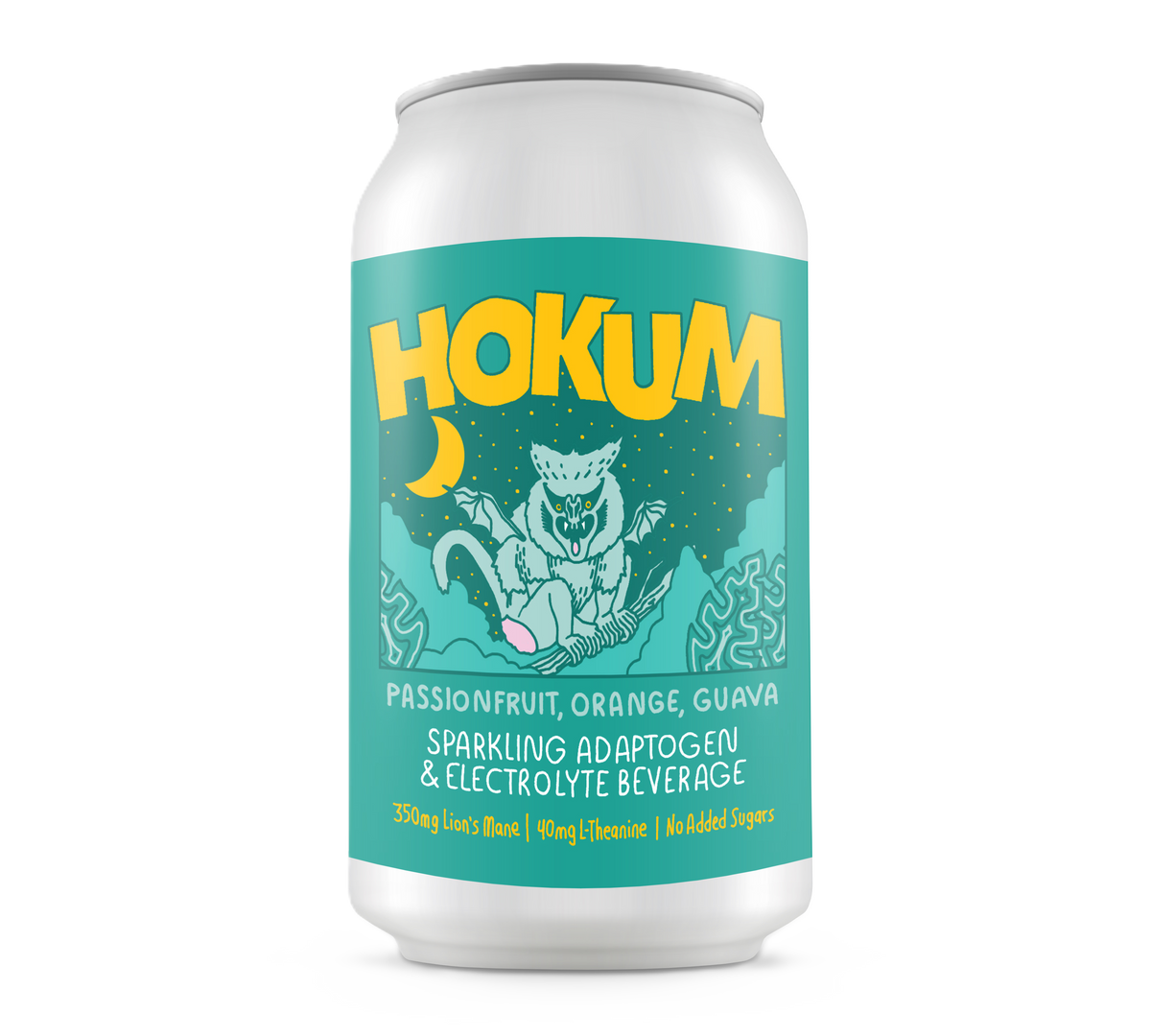
Passionfruit contributes intensity. Guava provides depth. Citrus elements such as orange can introduce familiarity and additional brightness. The result can move naturally between tropical juice, sparkling refreshment and modern functional beverage formats.
Scientific research also supports the idea that these fruits are chemically complex from an aroma perspective. Researchers have identified dozens of volatile compounds in guava and well over 100 in passionfruit depending on the cultivar, ripeness and analytical method.
That gives beverage formulators a richer starting point than simple sweetness.
For consumers, the principle is straightforward. Judge the flavour by drinking it. Judge the function by reading the formula.
Conclusion
Passionfruit guava juice is distinctive because it combines acidity, tropical aroma, sweetness and layered fruit character in a single profile. Passionfruit supplies aromatic intensity while guava contributes depth and balance. Add orange and the result can become even brighter and more accessible.
In the functional beverage landscape of 2026, this type of flavour combination has another advantage. It can support drinks created for modern routines where consumers expect bold taste alongside clearly communicated function.
Before choosing any functional beverage, check the Nutrition Facts panel, added sugar, caffeine and functional ingredients. Flavour can make a product exciting. Transparent formulation tells you how it fits into your routine.
Explore Drink Hokum to discover a bold approach to tropical flavour and functional refreshment. Contact us to learn more about Drink Hokum products, ingredients and beverage options.
Frequently asked questions
What is passionfruit guava juice?
Passionfruit guava juice is a tropical beverage or juice blend combining passionfruit and guava flavours or juices. Passionfruit generally provides bright acidity and intense aroma while guava adds sweeter, floral and rounded tropical notes.
What does passionfruit guava juice taste like?
It typically tastes tropical, sweet, tart and highly aromatic. The exact profile depends on the fruit varieties, juice concentration, sweeteners, acidity and other ingredients used in the beverage.
Why do passionfruit and guava taste good together?
The fruits have complementary sensory characteristics. Passionfruit provides acidity and aromatic intensity while guava can contribute softer sweetness and fruity depth. This contrast creates a more layered flavour experience.
Is a guava juice drink the same as 100 percent guava juice?
No. A guava juice drink may contain guava juice alongside water, other juices, flavours, sweeteners or functional ingredients. Check the ingredient list and any declared juice percentage to understand what the product contains.
Are guava drinks non alcoholic?
Many guava beverages are non-alcoholic, including juices, sparkling drinks and functional beverages. However, guava is also used in alcoholic cocktails and ready-to-drink products, so consumers should always check the label.
What is an orange guava beverage?
An orange guava beverage combines citrus characteristics from orange with the sweeter tropical aroma of guava. Passionfruit may also be added to increase acidity and aromatic intensity.
Does passionfruit guava juice contain added sugar?
It depends on the product. Some beverages contain naturally occurring fruit sugars while others contain added sweeteners. Check the Nutrition Facts panel because FDA labelling separates total sugars from added sugars.
Can passionfruit guava flavours work in functional beverages?
Yes. Their strong aroma and sweet-tart contrast can provide a useful sensory base for functional formulations. The actual functional characteristics depend on ingredients such as caffeine, electrolytes, vitamins or other active compounds rather than fruit flavour alone.
When should I drink a functional passionfruit guava beverage?
That depends on its formulation. A caffeinated product may be more suitable when alertness is desired while an electrolyte-focused beverage may be designed for physical activity. Always review caffeine levels, serving size and ingredient information first.
What should I look for when buying a passionfruit guava drink?
Check the serving size, calories, total sugar, added sugar, caffeine and ingredient list. For functional beverages, also examine which active ingredients are included and whether their quantities are clearly communicated. Choose a product that matches your intended use and flavour preferences

Leave a comment
This site is protected by hCaptcha and the hCaptcha Privacy Policy and Terms of Service apply.