Non alcoholic drinks are no longer a “backup option” at parties. They are becoming the main event. In the US, non-alcoholic beverage dollar sales grew more than 30% year over yearin recent periods tracked by NielsenIQ, outpacing many traditional beverage categories (NielsenIQ, 2023). Globally, the “no and low” movement has shifted from niche to normalized, fueled by wellness culture, better-tasting products, and sober-curious experimentation.
This matters in 2026 because the category is being rebuilt in real time: new functional ingredients, tighter labeling expectations, more premium pricing, and faster innovation cycles. In this guide, you will learn what counts as non alcoholic beverages, how “alcohol-free” differs from “0.0%,” what is driving demand, how to choose products that actually deliver, and how to buy non alcoholic drinkslike a pro for social life, training, and deep focus days.
What are non alcoholic drinks?
At a practical level, non alcoholic drinks are beverages formulated to deliver a “beer, wine, cocktail, or adult ritual” experience without the intoxicating effect of standard alcohol content. But definitions vary by country and by label claim, which is where consumers often get misled.
Non alcoholic vs alcohol-free vs 0.0%: the key differences
In many markets, “non-alcoholic” can still contain small amounts of alcohol due to fermentation or processing. For example, in the US, beverages labeled non-alcoholic traditionally can contain up to 0.5% ABV (Alcohol and Tobacco Tax and Trade Bureau guidance and common industry practice; see TTB resources and US labeling norms). “Alcohol-free” and “0.0%” typically imply lower thresholds, but the exact rule depends on jurisdiction and category.
Why non alcoholic beverages are becoming more popular now?
The rise is not a single trend. It is a stack of behavior shifts: health optimization, better products, and social norms catching up. In 2026, non alcoholic beverages are also benefiting from new distribution, with more menus defaulting to “spirit-free” sections and more retailers creating dedicated sets.
Health and wellness is the engine (and the data backs it)
Consumers are tracking sleep, recovery, HRV, and next-day performance. Alcohol clashes with that. Research continues to associate alcohol with measurable sleep disruption even at moderate intakes, including reduced REM sleep and more night time awakenings (e.g., reviews summarized by the National Institute on Alcohol Abuse and Alcoholism, ongoing updates; NIAAA). The cultural result is simple: people want the ritual without the penalty.
Demand is also reflected in market growth: the global no and low alcohol market has been valued in the tens of billions of dollars and projected to keep growing through the decade (IWSR, 2023; multiple market outlooks show strong CAGR through 2027+).
Better taste is finally real
Early non alcoholic beverages drinks often tasted thin, sweet, or “beer-adjacent.” That is changing due to:
Social normalization and “flex sobriety”
In 2026, many consumers are not “sober forever.” They are “sober sometimes.” This is the flex-sober pattern: choose alcohol on specific occasions, choose alcohol free drinks for training blocks, work weeks, or mental performance days. Gen Z is a major catalyst here, with multiple surveys across markets showing they drink less frequently than older cohorts (Gallup, 2023; and related multi-year trend polling).

What is driving innovation in 2026: functional, premium, and AI-personalized
May 2026 is not about basic mocktails. It is about performance-grade beverages that compete with coffee, energy drinks, and even supplements. Brands are building non alcoholic drinks that do something: focus, calm, hydration, social ease, or “evening shutdown.”
Functional stacks are the new baseline
Expect more products featuring:
Best practice in 2026: Look for brands that disclose exact dosages, not just “proprietary blends,” and that avoid disease claims. Regulators and platforms have become stricter about unsupported functional promises, and retailers are delisting risky labels faster than before.
Premiumization and “adult complexity” pricing
Premium non alcoholic beverages increasingly price like craft beer or cocktail RTDs. That is not just margin. It reflects expensive inputs: aroma capture, botanical concentrates, and small-batch blending. The consumer is paying for complexity and ritual, not intoxication.
Personalized discovery is accelerating
Retail in 2026 is algorithm-driven. Shoppers find alcohol free drinks through short-form video, creator storefronts, and AI shopping assistants that recommend “low sugar, no caffeine, bitter-forward, 0.0%” based on preferences. Brands that win are those with clean product metadata: ABV, sugar per serving, caffeine mg, key actives, allergens, and flavor tags.
Data table: how today’s alcohol free drinks compare
This comparison table reflects common categories and typical purchase considerations in 2026. Exact nutrition varies by brand, so treat this as a buying framework.
|
Category |
Best for |
Typical watch-outs |
Smart buying tip |
|---|---|---|---|
|
0.0% non alcoholic beer |
Barbecues, sports watching, “beer ritual” |
Some “NA” beers are up to 0.5% ABV depending on labeling; carbs can add up |
Choose 0.0% if strict; look for dry-hopped or malt-forward for body |
|
De-alcoholized sparkling wine |
Celebrations, gifting, pairing with food |
Can be higher sugar to compensate for lost ethanol mouthfeel |
Look for lower sugar options and aroma-forward producers |
|
Botanical non alcoholic “spirit” |
Home mixology, bitter-forward cocktails |
Can taste watery if not built with acids and bitters |
Mix with tonic, citrus, and a bitter component; chill hard for texture |
|
Canned mocktail (RTD) |
Convenience, social events, festivals |
Often high sugar or heavy sweeteners; inconsistent complexity |
Buy variety packs, then commit to favorites; prioritize 5 g sugar or less if possible |
|
Functional nootropic drink |
Work blocks, gaming, study, creators |
Underdosed actives; stimulant stacking with coffee |
Pick transparent labels; track your caffeine total under ~ 400 mg/day for most adults (FDA guidance) |

Common mistakes to avoid and pro tips that actually work
The category is booming, which means mistakes are common. Fix these and your non alcoholic beverages experience gets dramatically better.
Mistake 1: assuming “non alcoholic” means zero alcohol
If you are pregnant, in recovery, or avoiding alcohol for medical reasons, confirm the product is 0.0% and check the brand’s testing standards. Some “NA” products may contain up to 0.5% ABV depending on local rules and processes.
Mistake 2: replacing alcohol with sugar
A lot of early mocktails relied on sweetness. The result is a glucose spike, not a better lifestyle. Pro tip: choose bitter, tea-based, or botanical profiles and aim for low sugar, especially on weeknights.
Mistake 3: stacking stimulants without tracking
Functional alcohol free drinks can include caffeine plus synergists like L-theanine. That can be great. It can also backfire if you add coffee, pre-workout, and energy drinks. The FDA notes 400 mg/day as a commonly cited upper limit for most healthy adults (FDA guidance), but individual tolerance varies.
Mistake 4: expecting a “1:1 intoxication replacement”
Non alcoholic drinks are about ritual, taste, and function. If you chase a buzz, you will be disappointed. If you chase performance, recovery, and social ease, you will win.
What’s changing fast in 2026: regulation, labeling, and the next wave of category winners
In 2026, the non alcoholic beverages drinks market is maturing. That means more scrutiny, more competition, and higher consumer expectations.
Labeling and claims are tightening
Across markets, regulators are increasingly attentive to implied health claims, especially around stress, cognition, and “hangover-free” promises. Brands that win are building compliance into product development: substantiated structure-function language, transparent dosing, and third-party testing where relevant.
Retail sets are being reorganized
More retailers are moving non alcoholic beverages out of the “miscellaneous” aisle and into dedicated adult beverage sets, often adjacent to beer and RTDs. That increases discovery and normalizes purchasing behavior, which helps repeat rates.

Conclusion
Non alcoholic drinks are winning because they solve a modern problem: how to stay social, sharp, and healthy without sacrificing ritual. In 2026, the best products are not pretending to be alcohol. They are building a new category: functional, premium, and performance-first.
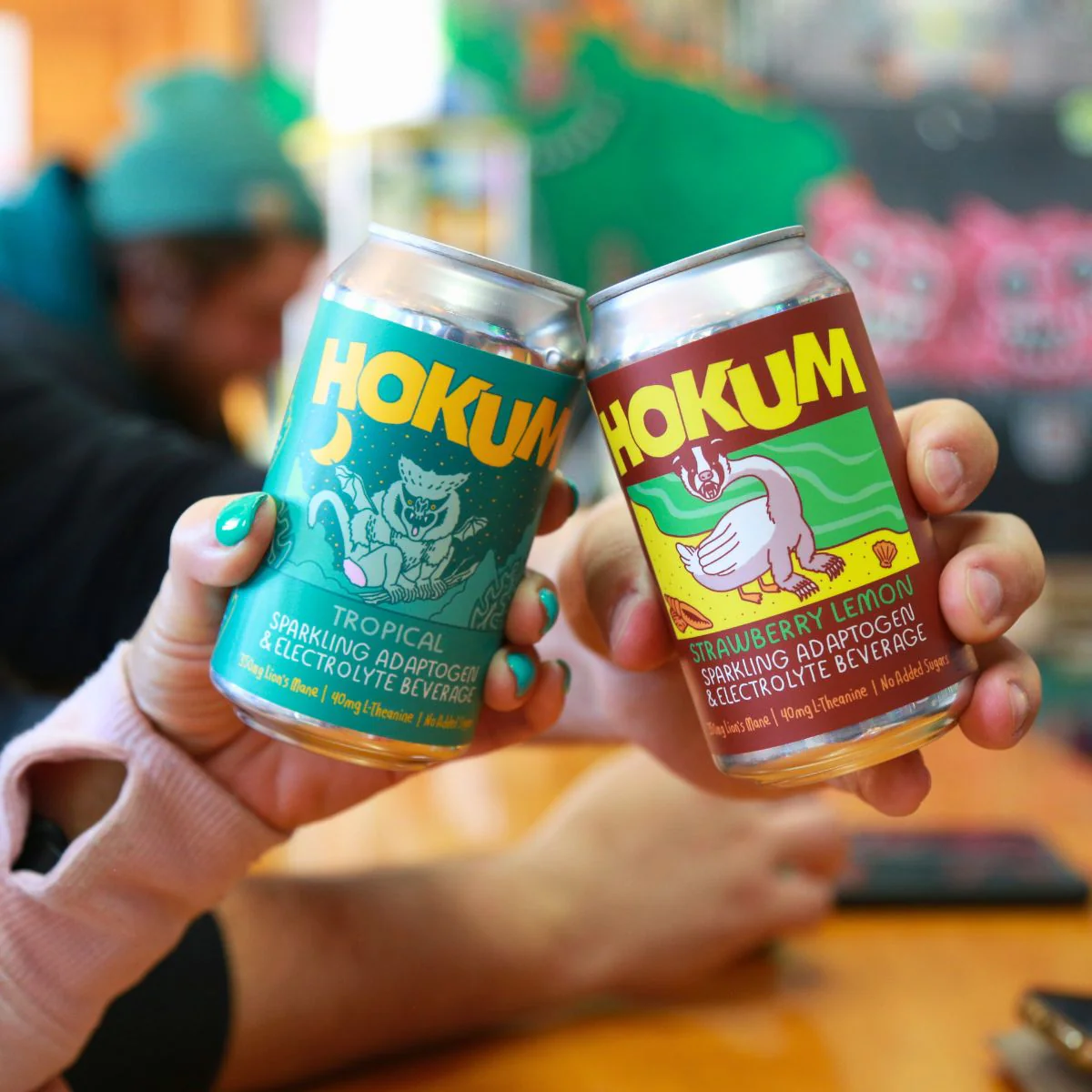
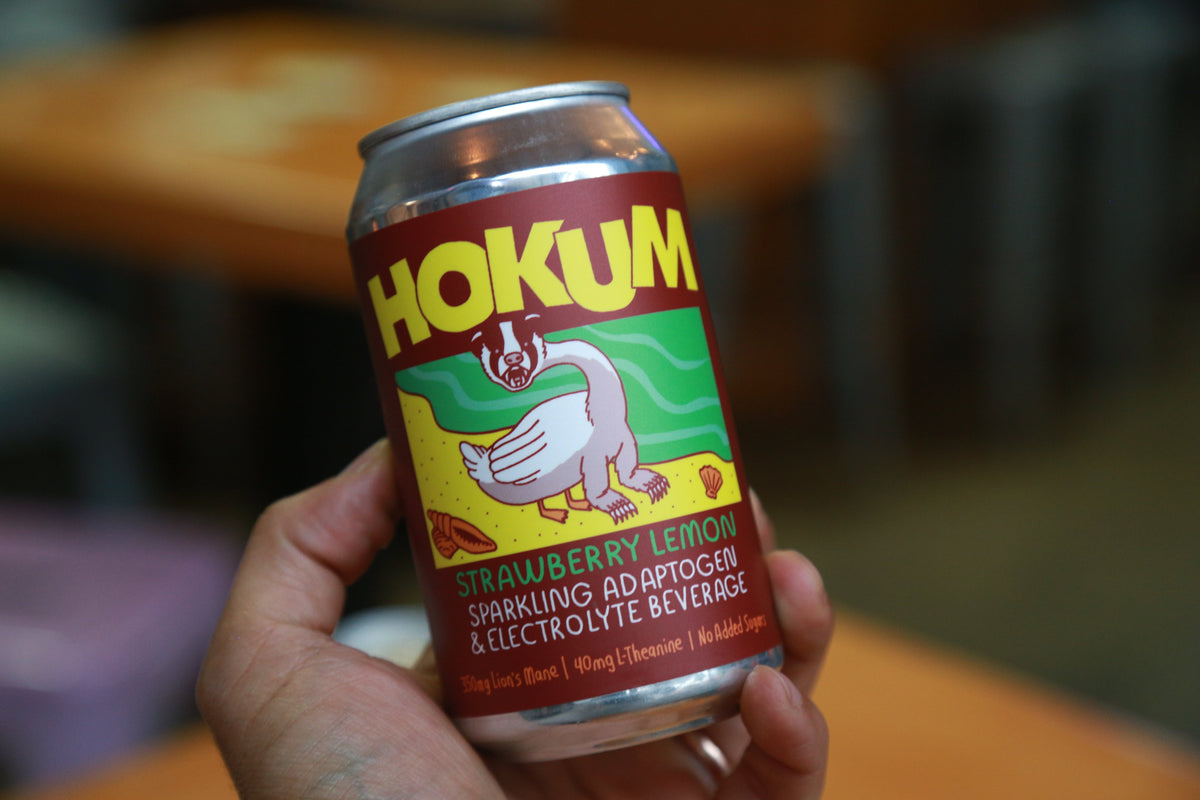
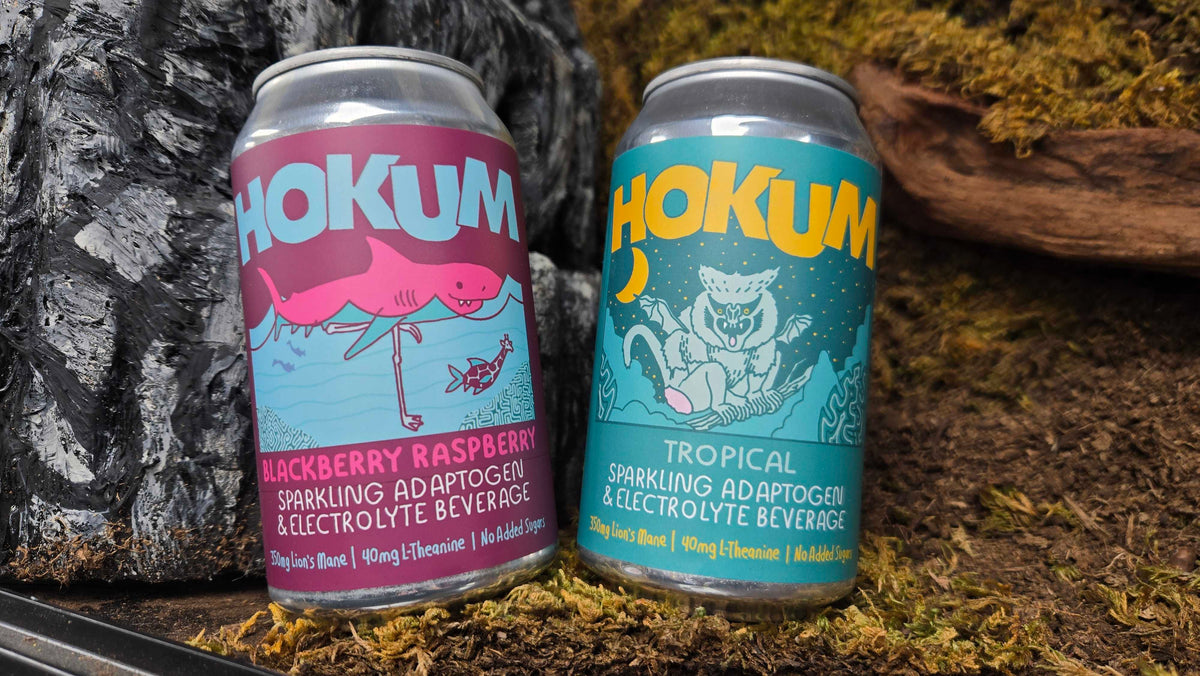
If you are ready to upgrade your routine, build a small rotation of alcohol free drinks for work, weekends, and recovery days. Drink Hokum is here for the next generation of functional, non alcoholic beverages that hit hard on flavor and performance. Contact us to learn more, collaborate, or get product guidance.
Frequently asked questions
What are non alcoholic drinks exactly?
Non alcoholic drinks are beverages designed to deliver a beer, wine, cocktail, or adult social experience with little to no alcohol. Depending on your market, “non-alcoholic” may still allow small amounts of alcohol, so always check the ABV statement on the label.
Are non alcoholic beverages the same as alcohol free drinks?
Not always. “Non alcoholic beverages” is a broad umbrella that can include products labeled non-alcoholic that may contain up to 0.5% ABV in some regions. “Alcohol free drinks” and “0.0%” typically aim for stricter thresholds, but definitions vary by country.
Why are non alcoholic drinks becoming more popular in 2026?
Because consumers are optimizing sleep, recovery, and mental performance, and alcohol often conflicts with those goals. The category also tastes better now due to improved dealcoholization and more sophisticated flavor systems, and social norms have shifted toward flex sobriety.
Can non alcoholic drinks still affect me if I am sensitive to alcohol?
Yes, if the product contains trace alcohol and you are highly sensitive. If you need strict avoidance, choose 0.0% ABV products and consider brands that publish testing or quality standards.
Is it safe to drink non alcoholic beverages during pregnancy?
Many people choose 0.0% options during pregnancy, but medical guidance varies by individual risk factors. If you are pregnant, it is safest to consult your clinician and select products explicitly labeled 0.0% with reputable quality practices.
Do alcohol free drinks help with sleep and next-day energy?
They can, mainly by helping you avoid alcohol, which is commonly associated with sleep disruption. If you want better sleep, also avoid caffeine late in the day and choose low-sugar options that will not spike energy before bed.
How do I buy non alcoholic drinks that actually taste good?
Start with style-first categories like 0.0% craft beer, de-alcoholized sparkling wine, and bitter botanical RTDs. Buy a variety pack, test chilled serving temps, and use proper glassware with citrus or bitters for added complexity.
Are functional non alcoholic beverages drinks legit or just hype?
Some are legit, but many are under dosed or rely on vague blends. Look for transparent labels with mg amounts, realistic claims, and avoid stacking stimulants across multiple products in the same day.
Should I switch from alcoholic cocktails to non alcoholic beverages for social events?
If your goal is better sleep, training consistency, or next-day productivity, it is often a high-ROI swap. Many people use a hybrid approach: alcohol free drinks early, then decide whether to drink alcohol later, or alternate 1:1.
When is the best time to drink non alcoholic drinks with caffeine?
Use caffeinated functional drinks earlier in the day to protect sleep, ideally before mid-afternoon for most people. Track your total daily caffeine and stay within guidance like 400 mg/day for most healthy adults (FDA).

Leave a comment
This site is protected by hCaptcha and the hCaptcha Privacy Policy and Terms of Service apply.