
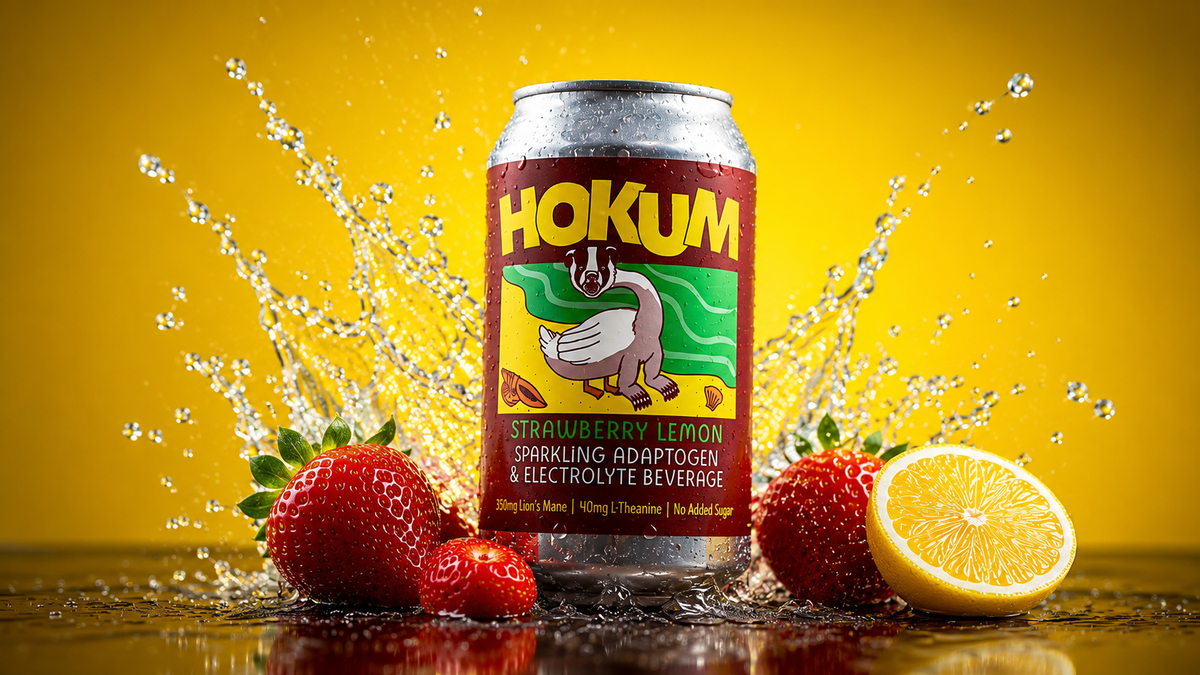
Workday distraction is no longer a vibe, it is a measurable productivity tax. The average knowledge worker now juggles constant notifications, fragmented tasks, and screen fatigue. In the middle of that chaos, the nootropic energy drink category has exploded because it promises something classic energy drinks rarely deliver: clean energy plus cognition. The global energy drinks market was valued at $86.0Band is projected to keep growing through 2030 (Grand View Research, 2024), but the fastest brand momentum in 2026 is happening inside functional beverages that target focus, mood, and mental performance.
In this guide, you will learn what defines a nootropic energy drink, which ingredients have real evidence, how to choose a formula for your brain and lifestyle, and how to avoid the common mistakes that make “focus drinks” feel like expensive hype.
What a nootropic energy drink actually is and what it is not?
A nootropic energy drink is a functional beverage designed to increase alertness andsupport cognitive performance such as attention, working memory, and reaction time. It typically combines a stimulant backbone (most often caffeine) with compounds marketed for brain support like L-theanine, tyrosine, choline donors, or botanical extracts.
How it differs from traditional energy drinks
Traditional energy drinks are often built around caffeine, sugar, and flavor, with “energy” defined as stimulation. Nootropic formulas aim for performance characteristics: smoother onset, fewer jitters, and better task focus. Many also prioritize lower sugar, hydration support, and compatibility with health-forward routines like intermittent fasting.
What “nootropic” means in 2026 labeling
In practice, “nootropic” on-pack is a marketing and formulation signal rather than a regulated category. In the US, drinks live under food and dietary supplement frameworks depending on format and claims. That matters because structure-function language like “supports focus” is common, while disease claims are not allowed. Expect more 2026 packaging to emphasize measurable moments like “60-minute focus window” and “crash-free energy,” although consumers should still demand transparent dosages and evidence-backed ingredient forms.
How nootropic energy drinks support focus (the brain mechanics)?
Focus is not one switch. It is an integrated system involving arousal (energy), executive control (staying on task), and resistance to distraction. A well-designed nootropic energy drink targets multiple levers.
1) Arousal and alertness: caffeine, but engineered
Caffeine works primarily through adenosine receptor antagonism, increasing alertness and reducing perceived fatigue. It is one of the most validated performance ingredients in human nutrition research. Typical effective beverage doses range from 75 to 200 mg depending on tolerance, body mass, and timing.
Evidence snapshot: An EFSA scientific opinion concluded that caffeine contributes to increased alertness and improved concentration at 75 mg (European Food Safety Authority, 2011). That threshold still informs how many 2026 cognitive drinks are dosed.
2) “Calm focus”: pairing caffeine with L-theanine
L-theanine, naturally found in tea, is commonly stacked with caffeine to blunt jitters and improve attention switching. In beverage formulation, a frequent ratio is 1:1 or 2:1 theanine to caffeine depending on the desired feel.
Evidence snapshot: A systematic review found that caffeine plus L-theanine can improve aspects of attention and alertness, particularly during demanding cognitive tasks (Nobre et al., 2008). Brands in 2026 increasingly position this combo as “laser focus” rather than “wired energy.”
3) Stress and fatigue buffering: adaptogens and the HPA axis
Botanicals like ashwagandha and rhodiola are often used to support perceived stress and mental fatigue. This is where the category gets messy: effects can depend heavily on extract type, dose, and duration (acute vs. daily).
Evidence snapshot: A meta-analysis reported that ashwagandha supplementation was associated with reductions in stress and anxiety measures versus placebo in several trials, though dosing and extracts varied (Pratte et al., 2014). For drinks, this is usually a daily-useingredient, not a “feel it in 10 minutes” ingredient.
4) Neurotransmitter support: tyrosine and choline pathways
L-tyrosine is used for catecholamine support (dopamine, norepinephrine), particularly under stress or demanding workloads. Choline donors (like alpha-GPC or citicoline) are used for acetylcholine pathways linked to attention and memory. In beverages, these ingredients can be effective but are often underdosed due to taste, cost, and solubility constraints.

Evidence and benchmarks: what the data suggests in 2026
The best way to evaluate a nootropic energy drink is to compare it against known performance benchmarks: caffeine thresholds, stimulant synergy evidence, and consumer safety limits.
Safety benchmark: The FDA notes that for most adults, up to 400 mg caffeine per dayis generally not associated with dangerous, negative effects (FDA, 2018). That is a daily ceiling, not a target.
Market benchmark: Functional beverages are one of the fastest-moving segments inside non-alcoholic innovation as consumers reduce alcohol intake and seek “effect-led” drinks. In consumer research, “healthier energy” and “low sugar” remain top purchase drivers across younger demographics in 2025 to 2026 retail reporting (NielsenIQ, 2025).
Quick comparison table: classic energy vs. nootropic vs. “cognitive hydration”
|
Drink type |
Primary goal |
Typical ingredient pattern |
Best use case |
|---|---|---|---|
|
Classic energy drink |
Stimulation, wakefulness |
Caffeine + sweeteners, sometimes taurine and B vitamins |
Late nights, rapid alertness, occasional use |
|
Nootropic energy drink |
Energy + focus + task performance |
Caffeine + L-theanine, optional tyrosine, choline, adaptogens |
Deep work, studying, meetings, gaming, driving |
|
Cognitive hydration drink |
Hydration + light mental clarity |
Electrolytes + low caffeine or none, sometimes nootropics at low dose |
Workouts, hot climates, people sensitive to stimulants |
What is changing in 2026: trends shaping cognitive drinks and functional beverages?
May 2026 is a different market than 2022. Consumers want function they can feel, proof they can trust, and formulations that do not wreck sleep or gut health.
Trend 1: “Crash-free” is becoming table stakes
Brands are reformulating away from high sugar and toward stimulant smoothing with theanine, lower total caffeine, and more hydration support. This aligns with broader reduced-sugar movement across beverages as shoppers scrutinize metabolic health more aggressively.
Trend 2: Mushroom ingredients are mainstream, but scrutiny is rising
Lion’s mane drink launches surged in 2024 to 2026, but 2026 shoppers also demand standardized extracts, third-party testing, and clear sourcing. Expect premium brands to publish COAs and active compound targets to defend pricing.
Trend 3: Non-alcoholic “performance social” drinks
Functional beverages are increasingly replacing alcohol in social settings, especially among Gen Z. This includes “daytime energy plus mood” positioning, with more attention on anxiety-friendly stimulation and next-day performance.
Trend 4: Personalization is moving from hype to practice
Wearables, sleep scores, and HRV metrics are being used by consumers to decide when to use caffeine. The best practice in 2026 is not “always on,” it is data-informed stimulation: high focus drinks on high strain days, lighter options on recovery days.

Conclusion
The best nootropic energy drink isn't the one with the longest ingredient list it's the one that aligns with your goals, provides consistent energy, and supports focus without unnecessary crashes. By understanding how ingredients like caffeine, L-theanine, electrolytes, and cognitive enhancers work together, you can make smarter choices that enhance both performance and well-being.
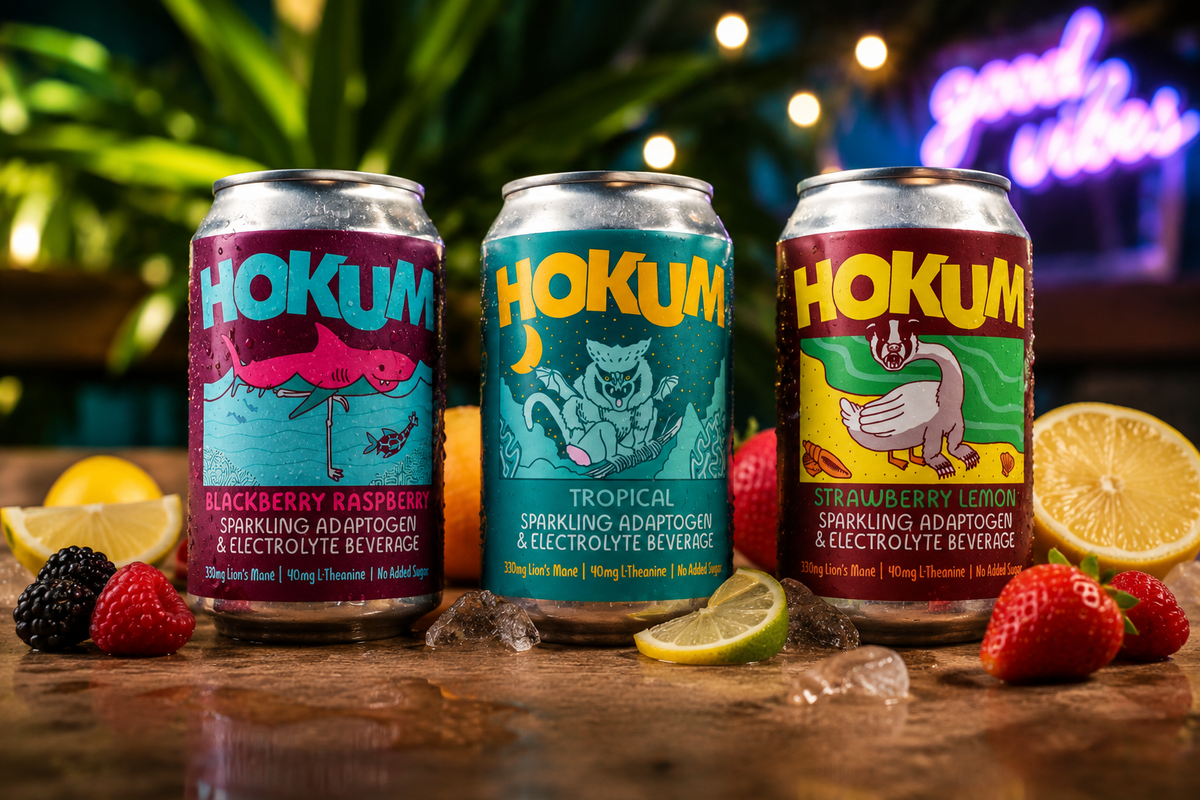
Next step: Audit your current caffeine routine for a week, then choose a nootropic energy drink formula that matches your goal state whether that's deep work, creative flow, or training focus. If you're looking for a performance-first functional beverage built for modern lifestyles, keep an eye on what we're building at Drink Hokum.
Have questions about nootropic beverages, functional ingredients, or choosing the right formula for your needs? Get in touch with the Drink Hokum team through our website we're always happy to help you find the right performance fuel.
Frequently asked questions
What is a nootropic energy drink?
A nootropic energy drink is a functional beverage formulated to increase alertness while also supporting cognitive performance like focus and attention. It usually combines caffeine with evidence-backed “calm focus” ingredients such as L-theanine, plus optional compounds like tyrosine or choline donors.
How does a nootropic energy drink support focus compared to coffee?
Coffee primarily delivers caffeine, while a nootropic energy drink often adds ingredients that can smooth stimulation and support attention. A common example is caffeine plus L-theanine, a combination associated with improved attention and alertness during demanding tasks (Nobre et al., 2008).
Do lion’s mane drinks work immediately for focus?
A lion’s mane drink may not produce an instant “kick” the way caffeine does. Lion’s mane is more often positioned for longer-term cognitive support, with many outcomes in research occurring after consistent daily use over weeks rather than minutes.
Are cognitive drinks safe to use every day?
Many cognitive drinks can be used daily if caffeine intake stays within personal tolerance and total daily caffeine remains reasonable. The FDA notes that up to 400 mg/day caffeine is generally not associated with dangerous negative effects for most adults (FDA, 2018), but individual sensitivity varies.
What should I look for on the label of a nootropic energy drink?
Look for transparent caffeine content, clear ingredient dosages (not only proprietary blends), and evidence-aligned combinations like caffeine plus L-theanine. Also check sugar content and total stimulant sources if the drink includes guarana or tea extracts.
Can I drink a nootropic energy drink if I have anxiety?
You can, but start with lower caffeine and prioritize formulas with L-theanine to reduce jitter potential. Avoid stacking with coffee or pre-workout, and stop if you notice increased anxiety, palpitations, or sleep disruption.
When is the best time to drink a nootropic energy drink?
The best time is 15 to 30 minutes before a focused work block, ideally earlier in the day to protect sleep. If caffeine affects your sleep, set a personal cutoff 8 to 10 hours before bedtime.
Do functional beverages replace sleep and recovery?
No. Functional beverages can improve alertness and perceived energy, but they do not replace sleep-driven memory consolidation and recovery. Using stimulant drinks to mask sleep debt often backfires by reducing sleep quality further.
Should I cycle off nootropic energy drinks?
If you notice tolerance building, cycling can help. A practical approach is to reserve higher-caffeine drinks for high-demand days, and use lower-caffeine cognitive drinks or caffeine-free options on lighter days.
What is the difference between nootropic drinks and pre-workout drinks?
Nootropic drinks typically target mental performance and sustained focus, often with moderate caffeine and smoother stimulation. Pre-workouts may include higher caffeine and additional performance ingredients, and can feel more intense, which is not always ideal for desk work or anxiety-sensitive users.

Leave a comment
This site is protected by hCaptcha and the hCaptcha Privacy Policy and Terms of Service apply.