
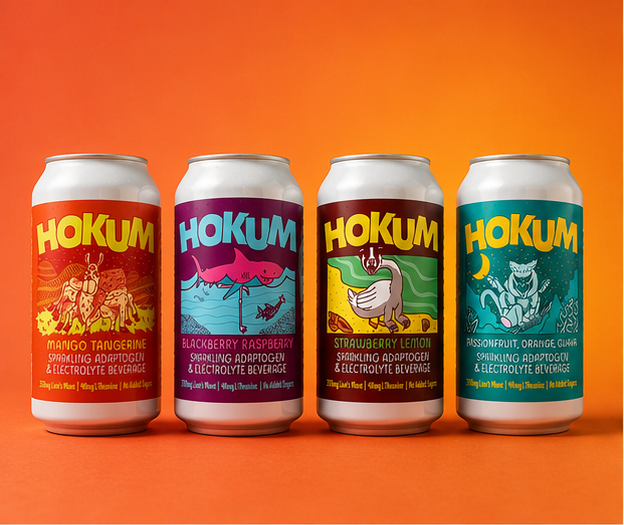
More than 70 percent of U.S. adults report trying to limit or avoid sugar as part of their diet pattern, and “less sugar” continues to rank among the most sought-after claims in new food and beverage launches (International Food Information Council, 2023). That shift is why sugar free drink mixers have moved from niche to daily essential. They let you upgrade plain water, sparkling water, coffee, and even mocktails with flavor and function, without the blood sugar spike and calorie load of traditional syrups.
In this guide you will learn how sugar free drink mixers work, what ingredients matter most, how to choose a clean label, and how to build better everyday beverages for focus, hydration, and performance. You will also get practical recipes, pro tips, common mistakes to avoid, and 2026 trends shaping the next wave of zero sugar mixers.
Why sugar free drink mixers are winning in 2026?
In 2026, functional beverages are being built like tech products. Consumers expect personalization, measurable benefits, and better-for-you macros. Sugar free drink mixers fit that expectation because they act like modular upgrades for your routine.
Health drivers that keep accelerating
Public health guidance continues to push sugar reduction. The World Health Organization recommends limiting “free sugars” to less than 10 percent of total energy intake with a conditional recommendation to target below 5 percent for additional benefits (WHO, 2015). That makes “sweet drinks” an obvious target, and zero sugar mixers are an easy swap.
Meanwhile, the metabolic health conversation is mainstream. Continuous glucose monitors are no longer only for diabetics, and sugar spikes are visible. Mixers that deliver taste without sugar align with this new feedback loop culture.
Convenience and cost per serving
Ready-to-drink functional beverages can cost 2.50 to 4.50 USD per can in many markets. A beverage mixer in stick packs or a squeeze bottle often lands closer to 0.30 to 1.00 USD per serving depending on brand and functional ingredients. That difference matters in 2026 when consumers still feel value pressure from ongoing cost-of-living increases.
The “better everyday beverage” mindset
Consumers are not only replacing soda. They are upgrading water, electrolytes, iced coffee, and mocktails. Sugar free drink mixers support that behavior because they deliver repeatable flavor, portion control, and functional stacking.
How sugar free drink mixers actually work?
Most people think a mixer is just flavor. In reality it is a system made of sweeteners, acids, flavors, and sometimes functional actives. The best formulas are engineered for taste, stability, and mixability across temperatures and carbonation levels.
Sweetness without sugar
Sugar free drink mixers typically rely on high-intensity sweeteners such as stevia glycosides, sucralose, monk fruit extract, or blends. Blends matter because single sweeteners can create off-notes. Stevia can read bitter or licorice-like at higher intensity, while sucralose can taste sharper. A balanced blend can reduce aftertaste and improve “sugar-like” mouthfeel.
On safety, major regulatory bodies continue to affirm approved non-sugar sweeteners within acceptable daily intake limits. The key is dose and frequency. If you use mixers multiple times per day, rotate formats and pay attention to your total intake.
Acid balance for “snap” and realism
Acids such as citric, malic, tartaric, and phosphoric acids provide brightness and “bite.” They also help mimic the sensory profile of sugar-sweetened beverages. Malic acid is common in fruit-forward mixes because it extends tartness and improves perceived juiciness.
Flavor delivery and stability
Natural flavors, extracts, and aroma compounds are optimized to stay stable in dry powder or liquid concentrates. A good beverage mixer also considers water quality. Hard water and chlorinated tap water can flatten flavor. Strong top notes and a clean acid profile help compensate.
Functional add-ons that change the experience
In 2026, many zero sugar mixers go beyond taste with electrolytes, caffeine, L-theanine, nootropics, adaptogens, or vitamins. Not all actives are equal. Look for clinically relevant dosing, transparent labeling, and evidence-based combinations rather than “fairy dust.”
Ingredient science that separates great zero sugar mixers from mediocre ones
To create a better everyday beverage, you need both sensory performance and physiological compatibility. Here is what experienced formulators and performance-focused brands optimize.
Sweetener blends and “taste curve” engineering
Sugar has a fast onset, a full mid-palate, and a clean finish. Many high-intensity sweeteners spike early then drop or linger. Blends, flavor modulators, and tiny amounts of salt or acid can reshape that curve. This is why two sugar free drink mixers with the same sweetness level can taste completely different.
Electrolytes for hydration that actually feels different
Electrolytes affect perceived refreshment and performance, especially around workouts, heat exposure, and travel. Sodium supports fluid retention and thirst response, potassium supports cellular fluid balance, and magnesium plays roles in muscle and nerve function. Many modern mixers target a middle ground. Enough sodium to matter, not so much that it tastes like brine.
Acid, salt, and bitterness management
Bitterness blockers, flavor maskers, and mineral balancing are major levers in zero sugar mixers. If a product has added magnesium or botanicals, it may need more taste management. As a rule, if the label stacks many actives but tastes “thin,” it is often under-engineered for bitterness and mouthfeel.
What the label does not tell you?
Two mixers can both claim “natural flavors” while tasting wildly different because the aromatic profile, carrier system, and sweetness synergy differ. If you want predictable results, choose brands that provide a full supplement facts style panel, disclose key actives, and standardize caffeine and electrolyte amounts per serving.


Data-backed comparisons: sugar free drink mixers vs other everyday beverage options
Use the table below as a practical decision tool. The goal is not perfection. It is choosing the best default beverage mixer strategy for your daily life.
|
Option |
Typical sugar per serving |
Typical cost per serving |
Best use case |
|---|---|---|---|
|
Sugar free drink mixers |
0 g to 1 g |
0.30 to 1.00 USD |
Daily water upgrades, hydration, focus stacks |
|
Regular soda or sweetened juice |
Often 25 g to 40 g in a single serving |
0.75 to 2.50 USD |
Treat use, not ideal for daily hydration |
|
Ready-to-drink functional beverages |
0 g to 20 g depending on brand |
2.50 to 4.50 USD |
Convenience, consistent flavor, premium positioning |
|
Flavored sparkling water |
0 g |
0.60 to 1.50 USD |
Light flavor, minimal function |
Why it matters: The average sugar intake in the U.S. remains above recommendations. Added sugars averaged 17 teaspoons per day among U.S. adults, which is roughly 68 grams (American Heart Association, cited in public guidance updates, 2021). Swapping one sweetened beverage for a zero sugar mixer-based drink can materially reduce weekly sugar exposure.
What is changing in 2026: trends shaping sugar free drink mixers now?
May 2026 is a different landscape than 2022. Brands are responding to regulation pressure, consumer skepticism, and a higher bar for evidence.
Trend 1: cleaner sweetness and better masking
Stevia innovation continues, including improved steviol glycoside compositions that reduce bitterness. More brands also use multi-sweetener systems to reduce single-sweetener off-notes. The practical outcome is simple. Zero sugar mixers taste closer to sugar than they did a few years ago.
Trend 2: functionality becomes measurable
Consumers want numbers. How much caffeine. How much sodium. How many servings. This pushes the industry toward transparent panels and away from vague “energy blend” labeling. It also aligns with evolving enforcement around misleading claims in supplements and functional beverages.
Trend 3: hydration plus performance, not just hydration
Electrolyte products are shifting from “one-size-fits-all” to use-case dosing. Daily light hydration formulas sit lower. Training and heat formulas sit higher. This mirrors what sports science has emphasized for years. Context matters. Sweat rate and sodium loss vary widely by person and conditions (ACSM hydration position stand updates have long emphasized individualized needs, American College of Sports Medicine, 2021 updates referenced in guidance).
Trend 4: online-first discovery and micro-brand dominance
More consumers buy drink mixers online because they can compare labels quickly and subscribe. Micro-brands win by moving fast on flavors, limited drops, and community-driven iteration. The downside is quality variability. Your best defense is using the label checklist in this article and prioritizing brands that share testing and dosing.
Trend 5: reduced alcohol routines keep growing
Alcohol reduction is no longer a January trend. It is a year-round lifestyle. In 2026, mixers that can create adult, bitter, complex profiles are growing in demand. Think citrus peel, ginger, tea, and botanical profiles that do not rely on sugar for mouthfeel.

Conclusion
Sugar free drink mixers are not just a flavor hack. In 2026, they are a modular system for building hydration, focus, and ritual without the sugar tax.
Next step: audit your weekly drinks, replace one sugar-sweetened beverage per day with a smart zero sugar mixer build, then adjust flavor strength and function based on your real schedule. If you want help designing a modern mixer stack for focus, hydration, and performance, contact Drink Hokum.
Contact us to get product guidance, flavor recommendations, and functional stack suggestions tailored to your day.
Frequently asked questions
What are sugar free drink mixers?
Sugar free drink mixers are concentrated powders or liquids designed to flavor water or other beverages with zero or near-zero sugar. They typically use non-sugar sweeteners plus acids and flavors. Many also include functional ingredients like electrolytes or caffeine.
Are zero sugar mixers actually healthy?
They can be a healthier swap versus sugar-sweetened drinks because they reduce added sugar intake. Health impact depends on the full formula, including sweetener type, caffeine amount, and electrolyte load. If you use them daily, choose products with transparent dosing and avoid over-consuming stimulants.
Do sugar free drink mixers break a fast?
It depends on your fasting goal. For calorie-based fasting, most zero sugar mixers are unlikely to meaningfully impact calories. For appetite control or strict fasting, sweet taste can increase cravings in some people, so a lightly flavored or unsweetened option may work better.
Which sweetener is best in a beverage mixer?
There is no universal best. Stevia and monk fruit are popular for plant-forward positioning, while sucralose often delivers a very sugar-like taste. Many top products use blends to reduce bitterness and improve the sweetness curve.
Can I use sugar free drink mixers with sparkling water?
Yes, but add the mixer slowly to reduce foaming. Citrus and berry profiles typically work best with carbonation. If it tastes sharp, increase dilution or choose a flavor with a softer acid profile.
How do I buy drink mixers online without getting a low-quality product?
Look for clear mg dosing for functional ingredients, realistic claims, and a reputable manufacturer standard such as GMP. Calculate cost per serving and read reviews for aftertaste and stomach issues. Avoid products that hide key ingredients behind proprietary blends.
Are sugar free drink mixers safe for kids?
Many are not designed for children, especially caffeinated or high-electrolyte formulas. If you want a family option, choose caffeine-free products with minimal actives and consult a pediatric clinician when in doubt. Portion size should also be smaller for kids.
How many servings of zero sugar mixers can I drink per day?
It depends on caffeine, sodium, and your sensitivity to sweeteners. A common practical range is 1 to 3 servings daily, adjusting for training, heat, and total stimulant intake. If you notice sleep disruption, cravings, or GI discomfort, reduce frequency or switch formulas.
Do sugar free drink mixers help with hydration?
They can, mainly by making water more enjoyable and by adding electrolytes when included. Hydration benefits are strongest when the mixer provides meaningful sodium and you are losing fluid through sweat. For normal desk days, taste-driven increased water intake may be the main benefit.
Should I choose a beverage mixer with caffeine or without caffeine?
Choose caffeinated mixers for morning or pre-work blocks and caffeine-free for afternoon and evening. Many people sleep better when they stop caffeine 8 to 10 hours before bed. If you are sensitive to stimulants, start with half servings and track how you feel.

Leave a comment
This site is protected by hCaptcha and the hCaptcha Privacy Policy and Terms of Service apply.