
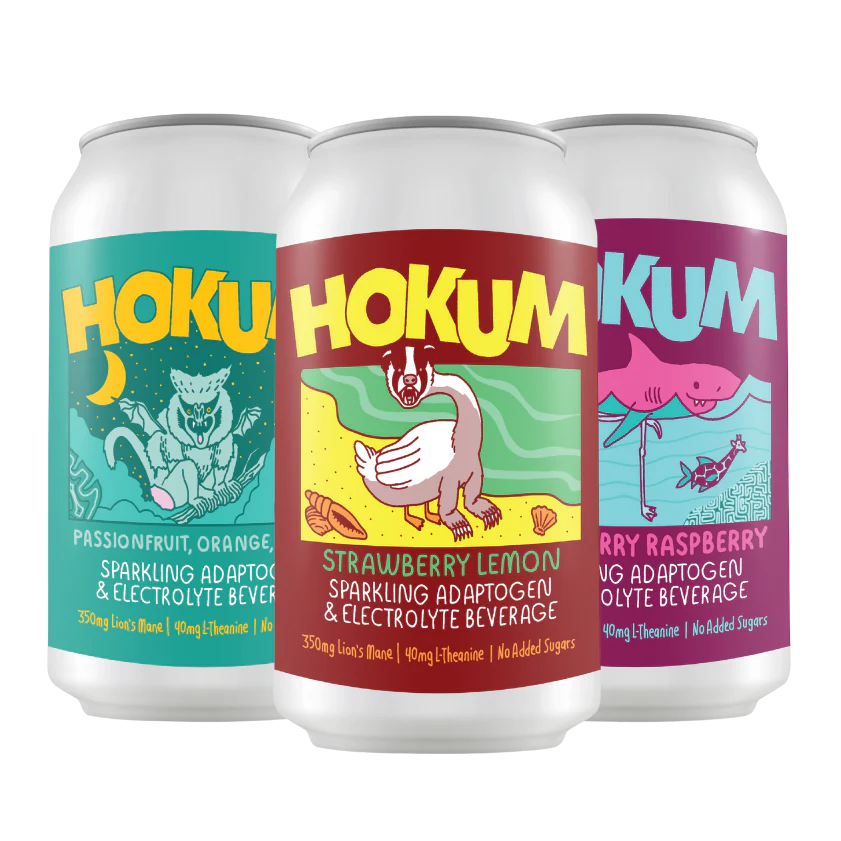
More people are drinking “better-for-you” beverages than ever, and summer is when that shift gets real. In the US, nonalcoholic beverage sales growth has outpaced many traditional beverage categories as consumers cut back on alcohol and sugar while still chasing flavor and ritual (Nielsen IQ, 2024). Add hotter summers and longer heat waves, and the bar for refreshment is higher in 2026. That is why the strawberry lemon drink wins: it hits cold, bright citrus, sweet berry, and serious versatility in one glass.
This guide breaks down the “why” with evidence and practical tactics. You will learn the flavor science behind citrus and strawberry, how to build hydration-forward versions, which ingredients actually move the needle, and how to turn it into summer mocktails and fruity mixers that feel premium without alcohol.
Why strawberry plus lemon feels instantly refreshing?
Refreshment is not just “cold plus sweet.” It is a sensory stack: acidity, aroma, temperature, carbonation, and sweetness balance. Strawberry and lemon happen to sit in a sweet spot where your brain reads the sip as crisp instead of heavy.
Acidity resets your palate
Lemon brings citric acid, which increases perceived brightness and reduces “cloying” sweetness. In practical terms, acid makes cold drinks feel colder and cleaner because it sharpens the finish and encourages salivation.
Aroma does half the work
Strawberry aroma compounds like ethyl butyrate and furaneol contribute a “ripe fruit” signal, while lemon oils (like limonene) deliver a high-note citrus lift. Smell is a huge driver of flavor perception. Research estimates that olfaction contributes the majority of what people describe as “taste” during eating and drinking (Spence, 2015).
Sweetness without syrup vibes
Strawberry gives round sweetness and color without requiring a ton of added sugar. Lemon provides a built-in “sweetness moderator,” so you can use less sweetener and still get a satisfying sip. That matters in 2026 because sugar scrutiny is not slowing down.
The hydration angle: how to make it a true summer hydration beverage
Most “refreshing non alcoholic drinks” fail on hydration because they are basically dessert in a bottle. A smarter strawberry lemon beverage can be built like a hydration beverage: water-forward, electrolyte-aware, and sugar-controlled.
Hydration is more than water
For longer outdoor days, electrolytes matter. Sodium helps retain fluid, and potassium supports fluid balance. If you sweat heavily, a pinch of salt can transform how a drink performs. The American College of Sports Medicine has long recommended sodium-containing fluids for prolonged exercise and heat exposure, with guidance commonly landing around 300 to 600 mg sodium per hour for many athletes depending on sweat rate and conditions (ACSM Position Stands, updated guidance across editions).
Watch sugar, because too much backfires
Very sugary drinks can feel sticky and can cause gastrointestinal discomfort for some people when they are active in heat. Global guidance still points consumers toward reducing free sugars. The WHO recommends keeping “free sugars” below 10% of total energy and suggests additional benefits below 5% (World Health Organization, 2015). You do not need to be perfect to benefit, but it supports the case for a lighter build.
Evidence-backed nutrition: what you actually get from lemon and strawberries
This is not a miracle drink, but it is a smart base because it can deliver high perceived flavor with low “nutrition cost.” Whole fruit also brings micronutrients and polyphenols that support general health.
Vitamin C and antioxidant density
Strawberries and lemon both contribute vitamin C. One key advantage is that vitamin C is easy to lose in processing and storage, so using fresh or minimally processed ingredients can help preserve it. Nutrition databases consistently list strawberries as a meaningful vitamin C source, alongside polyphenols like anthocyanins (USDA Food Data Central, 2023).
Polyphenols and the “color equals function” effect
The red pigment in strawberries is largely anthocyanins. While outcomes vary by dose and diet context, berries are widely studied for cardiometabolic support markers. A 2019 systematic review linked berry intake with improvements in some cardiovascular risk factors in multiple trials, though results depend on form and amount (Journal of Nutrition, 2019).

2026 trends: why strawberry lemon drinks are peaking right now
In May 2026, beverage trends are converging: sober-curious culture, functional hydration, and culinary-grade flavor. Strawberry lemon drinks sits right at that intersection, especially for summer mocktails and “elevated” everyday refreshers.
Nonalcoholic and moderation culture is still expanding
Consumers are actively reducing alcohol while seeking social substitutes. The nonalcoholic segment has posted strong multi-year momentum, with major retailers expanding shelf space and “zero-proof” menus becoming standard in many cities (Nielsen IQ, 2024; IWSR trend reporting, 2023 to 2025). Strawberry lemon becomes a reliable base because it pairs with sparkling formats, herbs, and functional add-ins.
Functional hydration goes mainstream
Electrolyte powders and hydration sticks are now normalized, and people expect “hydration beverages” to taste like real drinks, not salt water. Strawberry lemon is a top masking and blending combo for minerals because citrus distracts from electrolyte bitterness and strawberry rounds edges.
Clean label and “kitchen cupboard” recipes
Shoppers increasingly scan for recognizable ingredients. A strawberry lemon beverage can be built with five ingredients and still feel premium. The winning 2026 move is: minimal ingredient list, strong sensory impact.
Best builds and recipes: from citrus berry drinks to summer mocktails
You do not need bartending skills. You need a repeatable base, then a few modular upgrades. Think of strawberry lemon as a platform for citrus berry drinks, refreshing non alcoholic drinks, and fruity mixers.
The core formula (repeatable and scalable)
Three high-performing variations
1) Sparkling strawberry lemon spritz (zero-proof) Muddle strawberries, add lemon juice, fill with ice, top with chilled sparkling water. Add a lemon peel twist. This version is the fastest route to “bar feel” without alcohol.
2) Strawberry lemon electrolyte cooler (functional hydration) Blend strawberries + lemon + water, then add an electrolyte stick. Choose one with transparent sodium levels. Many popular sticks range widely, so check labels and target a dose that matches your sweat and heat exposure.
3) Strawberry lemon herb mocktail (culinary edge) Add basil or mint, lightly slapped to release aroma. Herbs create perceived complexity without added sugar. Basil tends to read “adult” and mint reads “cold and crisp.”
Data-driven comparison: how strawberry lemon stacks up against other summer staples
People default to iced tea, lemonade, soda, or sports drinks. Strawberry lemon can be engineered to outperform them on refreshment and hydration with less sugar.
|
Drink type |
Typical sugar (per 12 oz / 355 ml) |
Hydration upside |
Best use case |
|---|---|---|---|
|
Classic lemonade (bottled) |
Often 25 to 40 g |
Fluid intake, but high sugar can feel heavy |
Occasional treat, parties |
|
Soda |
~39 g(typical cola) |
Low, can dehydrate if caffeine heavy and fluid is replaced poorly |
Occasional indulgence |
|
Sports drink (standard) |
Often 20 to 35 g |
Electrolytes and carbs for longer activity |
Endurance workouts |
|
Strawberry lemon drink (smart build) |
0 to 10 g(depending on sweetener) |
High, can include electrolytes and stay light |
Heat days, daily hydration, mocktails |
For context on sugar norms, a 12 oz cola commonly contains 39 g added sugar (USDA Food Data Central, 2023), and the American Heart Association advises limiting added sugars to about 36 g per day for men and 25 g per day for women (AHA, 2021). A strawberry lemon beverage gives you a path to stay below those limits while still feeling like a “real” drink.

Common mistakes to avoid (and pro tips that make it elite)
The difference between a forgettable drink and a signature summer staple is tiny. Most people miss on balance, temperature, and aroma.
Mistake 1: using weak lemons or old juice
Lemon flavor fades fast once cut. If you batch juice, store it cold in a sealed container and use within 24 to 48 hours for best brightness. Pro tip: add a little fresh zest right before serving for an instant upgrade.
Mistake 2: over-sweetening to compensate for low fruit
If strawberries are out of season and watery, people add more sugar. Better move: use frozen strawberries, or reduce a small amount of strawberry puree to concentrate flavor without dumping in sweetener.
Mistake 3: ignoring dilution and ice strategy
Ice is an ingredient. If you serve over regular cubes, your drink will water down fast. Pro tip: freeze strawberry lemon ice cubes and use them as functional “slow dilution.”
Mistake 4: skipping salt entirely
A tiny pinch of salt does not make it salty. It makes it brighter and more “complete,” and it supports hydration for sweaty conditions. Start with 1 to 2 tiny pinches per liter, then adjust.
How to shop and prep for summer: cost, convenience, and consistency?
In 2026, the best at-home beverage setups look like meal prep. You build a base once, then remix quickly. That is how you keep the strawberry lemon drink habit alive past the first heat wave.
Safety and stability notes
If you add functional powders, mix thoroughly and watch interactions. If you are pregnant, on medication, or managing blood pressure, be cautious with high sodium electrolyte builds and consult a clinician. For most people, food-level salt and fruit are low risk, but “functional” can become high dose fast.
Conclusion
The strawberry lemon drink is not hype. It is a high-performance flavor system that maps perfectly to 2026 behavior: lighter drinking, smarter hydration, and premium taste without complexity.
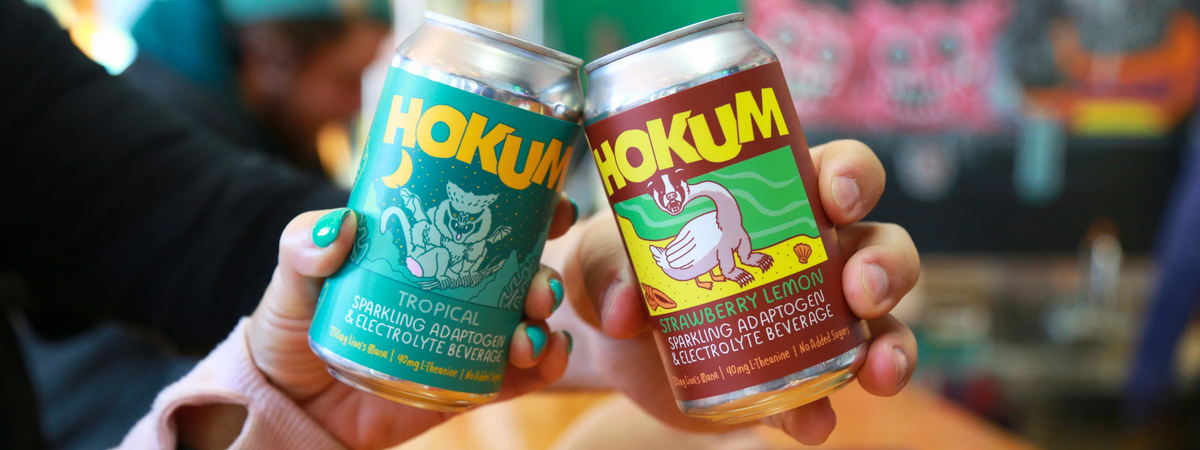
Want a strawberry lemon beverage that tastes like the future and performs like a tool? Drink Hokum builds functional refreshment for focus, energy, and hydration with modern flavor design. Contact us to collaborate on a summer menu concept, brand partnership, or functional beverage.
Frequently Asked Questions
What is a strawberry lemon drink?
A strawberry lemon drink is a fruit-forward beverage combining strawberries and lemon juice, usually with water or sparkling water and optional sweetener. It can be served as a simple refresher, a hydration beverage with electrolytes, or as a base for summer mocktails and fruity mixers.
Why is strawberry lemon so refreshing in hot weather?
Lemon acidity brightens flavor and reduces cloying sweetness, which makes the finish feel cleaner. Strawberry adds aroma and rounded fruit sweetness, creating a balanced sip that stays light even when served ice-cold.
Is a strawberry lemon beverage good for hydration?
It can be, if you keep it water-forward and avoid excessive sugar. For heavy sweating, adding a small amount of sodium or an electrolyte packet can improve fluid retention and make it a stronger hydration beverage.
How can I make a low sugar strawberry lemon drink that still tastes good?
Use frozen strawberries for stronger fruit intensity and rely on lemon zest and aroma for perceived sweetness. Sweeten gradually with allulose or a monk fruit blend, and keep lemon juice high enough to stay bright.
Can I turn this into a summer mocktail without alcohol?
Yes. Use sparkling water, add herbs like mint or basil, and serve in a chilled glass with strawberry lemon ice cubes. A few drops of bitters can add complexity, but check labels if you want strictly alcohol-free products.
When should I add electrolytes to a strawberry lemon drink?
Add electrolytes on very hot days, during long outdoor events, or when you sweat heavily. Choose a product with transparent sodium content so you can match dose to your needs rather than guessing.
What are the best strawberries to use for citrus berry drinks in 2026?
Frozen strawberries are often the most consistent choice for sweetness and color year-round. Fresh local strawberries can be unbeatable in peak season, but they vary more, so taste and adjust lemon and sweetener.
Should I use fresh lemon juice or bottled lemon juice?
Fresh lemon juice usually delivers brighter flavor and better aroma, especially when paired with zest. Bottled lemon juice is convenient and works well in batches, but adding fresh zest can help recover the “fresh-cut” citrus top notes.
How long does a homemade strawberry lemon drink last in the fridge?
A mixed drink is best the same day, but a strawberry lemon concentrate can last about 24 to 48 hours refrigerated in a sealed container. Flavor and vitamin C can degrade over time, so smaller batches keep it tasting sharp.
Can I use the strawberry lemon drink as a fruity mixer for parties?
Yes. Make a concentrate, then let guests top with sparkling water or zero-proof “spirits” to customize. You can also offer optional add-ins like mint, chili salt, or extra lemon for a build-your-own summer mocktail bar.

Leave a comment
This site is protected by hCaptcha and the hCaptcha Privacy Policy and Terms of Service apply.