
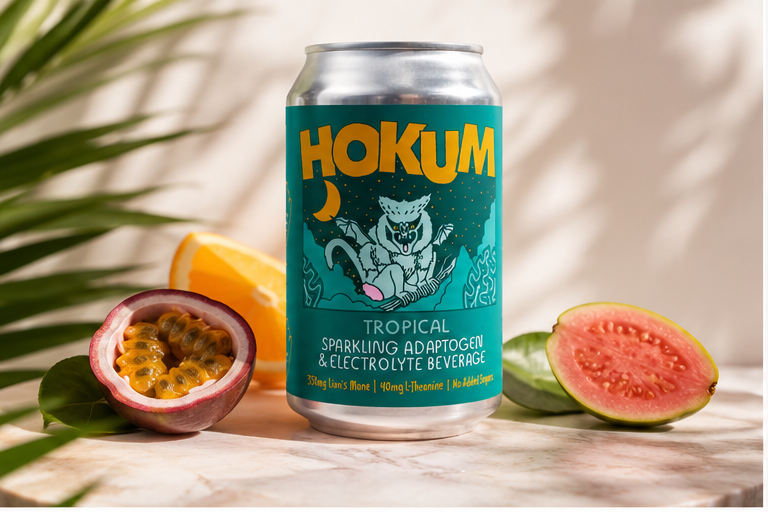
Passionfruit drink is not just trending because it tastes like vacation. It is winning because it solves a very 2026 problem: people want clean energy, better focus, and lower sugarwithout sacrificing flavor. In the US, nonalcoholic beverage dollar sales rose 6.8% in 2023as consumers shifted more occasions away from alcohol (NielsenIQ, 2024). At the same time, 58% of global consumers say they actively try to limit sugar intake, pushing brands to get smarter with flavor and formulation (Innova Market Insights, 2024). This is where passionfruit shines.
In this deep dive, you will learn why passionfruit works so well in functional beverages, how it pairs with nootropics and performance ingredients, what is changing in 2026, and how to build or choose a winning guava passionfruit drink or tropical guava drink that actually delivers.
The functional beverage moment: why flavor now drives function
Functional beverages scaled fast because the “why” is clear: modern consumers want measurable benefits, not vague wellness language. But in 2026, the category’s biggest constraint is not ingredient innovation. It is repeat purchase. Flavor is the gatekeeper.
Passionfruit is a “high-impact” flavor. It creates a strong sensory signature even at low usage levels, which helps brands reduce added sugar while keeping perceived sweetness high. This matters because ultra-sweet profiles are falling out of favor, and brands are moving toward bright, acidic, layered profiles that feel more adult and more premium.
Why passionfruit works: sensory science, not hype
Passionfruit delivers a rare combo: tropical aroma, bright acidity, and a perfumey top note that signals “fresh.” That makes it an ideal masking and harmonizing agent for functional actives, many of which are bitter, metallic, or earthy.
Masking value for modern actives
Many performance formulas include caffeine, adaptogens, electrolytes, amino acids, or nootropics. Some of these bring bitterness (caffeine), “brothy” notes (BCAAs), or mineral harshness (magnesium and potassium salts). Passionfruit is consistently used because it can “sit on top” of these notes and keep the drink bright, not medicinal.
Practical rule: if your formula has noticeable bitterness, a passionfruit-forward profile plus citrus acidulation (citric or malic) often reduces perceived off-notes more effectively than simply adding more sweetener.
Passionfruit plus guava: why the guava passionfruit drink combo keeps winning
Flavor pairing is strategy. The guava passionfruit drink has become a modern staple because it creates a “tropical stack” that is both familiar and premium. Guava brings roundness and body, passionfruit brings lift and aroma. Together, they perform like a built-in flavor system.
Health and formulation realities: what passionfruit can and cannot claim
Passionfruit itself contains naturally occurring nutrients in whole-fruit contexts, but most beverages use flavor systems, juices, or concentrates where the nutritional payload varies widely. In 2026, regulators and retailers are tougher about implied claims, so brands have to separate flavor-led benefit perception from clinically supported functional outcomes.

Data table: why passionfruit drink performs in modern product stacks
Below is a practical comparison of how passionfruit tends to function across today’s most common “benefit platforms.” Use it as a blueprint when choosing or designing fruit drinks with real performance intent.
|
Functional platform |
What consumers want in 2026 |
Why passionfruit helps |
Formulation watch-outs |
|---|---|---|---|
|
Energy |
Clean boost, fewer jitters, lower sugar |
Bright acidity masks caffeine bitterness and keeps profile “light” |
High caffeine + high acid can feel harsh; balance with sweetness and aroma |
|
Focus and nootropics |
Sharper cognition without crash |
Aromatic top notes help cover botanical and choline-like notes |
Some nootropics have sulfur or metallic notes; test multiple flavor houses |
|
Hydration |
Electrolytes that taste good |
Pairs well with salty profiles; “tropical” signals refreshment |
Potassium and magnesium salts can create lingering bitterness |
|
Nonalcoholic social |
Mocktail vibes, adult flavor, low calories |
Passionfruit reads like a cocktail mixer, especially with bubbles |
Too much aroma can feel perfumey; add citrus or tea notes for depth |
Market signal: the shift to nonalcoholic formats is not hypothetical. Non alcoholic beverage dollar sales grew 6.8% in 2023(NielsenIQ, 2024), and functional brands are riding that wave with “night out” formats that feel crafted but still performance-led.
What’s changing in 2026: trends making passionfruit even more relevant
Passionfruit is benefiting from multiple macro trends that have strengthened into 2026. The big one is the collision of functional and social. People want beverages that can sit in a gym bag and also look right at a party.
Trend 1: the “mocktailization” of functional
Consumers are replacing alcohol with drinks that still feel celebratory. Passionfruit’s cocktail heritage helps. It naturally fits spritzes, sours, and tropical mixes. Brands are using carbonation, bitter notes, and acid balance to create “bar-quality” profiles without alcohol.
Trend 2: sugar down, flavor up
As sugar reduction becomes more aggressive, brands need flavors that stay expressive at low brix. Passionfruit does that. It also pairs well with modern sweetener systems that can have aftertaste, because its acidity and aroma can “reset” the palate.
Trend 3: global flavor normalization
Gen Z’s flavor expectations are global. Passionfruit and guava are now mainstream in many markets due to restaurant menus, social media recipes, and wider availability of tropical fruit formats in retail.
Trend 4: ingredient scrutiny and labeling pressure
In the US, 74% of consumers avoid at least one food ingredient (IFIC Food and Health Survey, 2023). That pushes brands toward simpler labels and recognizable flavors. Passionfruit helps deliver a premium experience even when the ingredient list is short.

Conclusion
Passionfruit is not just a flavor trend. It is a functional tool that helps modern beverages deliver on taste, low sugar, and active ingredient complexity in one clean hit.
If you are building your next functional concept or choosing smarter fruit drinks, start with a passionfruit base, then engineer the experience around the benefit: energy, focus, hydration, or social non alcoholic.
Want a passionfruit-forward functional beverage that hits harder, cleaner, and smarter?Drink Hokum is building the next wave of performance-first flavor systems. Contact us to collaborate, white-label, or explore upcoming drops.
Frequently asked questions
What is a passionfruit drink in the functional beverage world?
A passionfruit drink is typically a functional beverage flavored with passionfruit juice, concentrate, or natural flavor, built on a benefit platform like energy, focus, or hydration. The function usually comes from added actives such as caffeine, electrolytes, or nootropic ingredients. Passionfruit is used because it stays vibrant even in low-sugar formulas.
Why is passionfruit flavor so common in energy and focus drinks?
Passionfruit’s acidity and aromatic intensity help mask bitterness from caffeine and certain nootropics. It also signals “fresh and tropical,” which consumers associate with refreshment rather than medicine. That combination improves repeat purchase, which is a major success metric in 2026.
Is a guava passionfruit drink healthier than other fruit drinks?
It depends on sugar and active ingredient dosing, not the flavor name. Many guava passionfruit drinks are formulated with lower sugar and added benefits, but some are still sugar-forward juice drinks. Always check grams of sugar per serving and whether functional ingredients are disclosed in mg.
What makes a tropical guava drink taste “premium”?
Premium tropical profiles usually have layered acidity, natural-tasting aroma, and a clean finish with minimal aftertaste. Many also use carbonation or tea bases to add structure. Guava adds body while passionfruit adds lift, which together feel more crafted.
Can I drink passionfruit energy drinks every day?
You can, but daily use should match your caffeine tolerance and overall diet. If the drink contains caffeine, track total daily intake from coffee and other sources, and avoid late-day use if sleep is impacted. If you are sensitive, choose lower-caffeine or caffeine-free passionfruit hydration options.
When should I choose passionfruit hydration instead of an energy drink?
Choose hydration when your main issue is sweat loss, heat, or cramps rather than alertness. Look for sodium and potassium amounts that match your training intensity, and a sugar level appropriate for your session. Passionfruit works well in electrolyte drinks because it stays refreshing and masks mineral notes.
Does passionfruit help with focus on its own?
Flavor alone does not improve focus in a clinically meaningful way. Focus benefits typically come from ingredients like caffeine plus L-theanine or other nootropic compounds at effective doses. Passionfruit helps make those formulas drinkable and consistent, which indirectly supports better adherence.
How do I avoid “too acidic” passionfruit drinks?
If you get acid discomfort, choose still (non-carbonated) versions and look for moderate acid profiles and slightly higher sweetness balance. Avoid sipping highly acidic sparkling drinks continuously for hours. Pairing with food can also reduce perceived sharpness.
Are passionfruit drinks good nonalcoholic alternatives for parties?
Yes, especially sparkling passionfruit formats with bitter or citrus notes that mimic cocktail complexity. The nonalcoholic market continues to grow, with 6.8% dollar-sales growth in 2023(NielsenIQ, 2024), and passionfruit fits the “mocktail” cue naturally. Choose low-sugar options if you want a lighter feel over a long night.
What should I look for on the label of functional fruit drinks in 2026?
Look for transparent dosing in mg, realistic claims, and sugar per serving that fits your goals. Also check caffeine disclosure and serving size. In 2026, credible brands make the functional payload obvious, not hidden behind proprietary blends.

Leave a comment
This site is protected by hCaptcha and the hCaptcha Privacy Policy and Terms of Service apply.